
Nocturnes (Debussy)
Nocturnes is an orchestral triptych by Claude Debussy, completed in 1899. Noted for its atmospheric scoring, innovative harmony and a wordless chorus in the final movement, it remains central to orchestral repertoire.
Overview
Nocturnes is an orchestral work in three connected movements by Claude Debussy. Composed at the turn of the 20th century, it emphasizes color, texture and mood rather than traditional symphonic development. The title and the atmospheric aim link the music to nocturnal impressions; the name also shares a connection with other works called Nocturne.
Image gallery
10 Images




Structure and scoring
The piece is cast as an orchestral suite with three parts. Debussy scored it for a relatively large orchestra with careful attention to woodwind and brass color, harp, celesta-like effects and a female chorus introduced in the final section.
- Three movements: a sequence of mood-pictures rather than strict movements.
- Prominent use of solo winds, harp and subtle string textures.
- Wordless female chorus in the third movement adds an ethereal layer to the orchestral palette.
History and composition
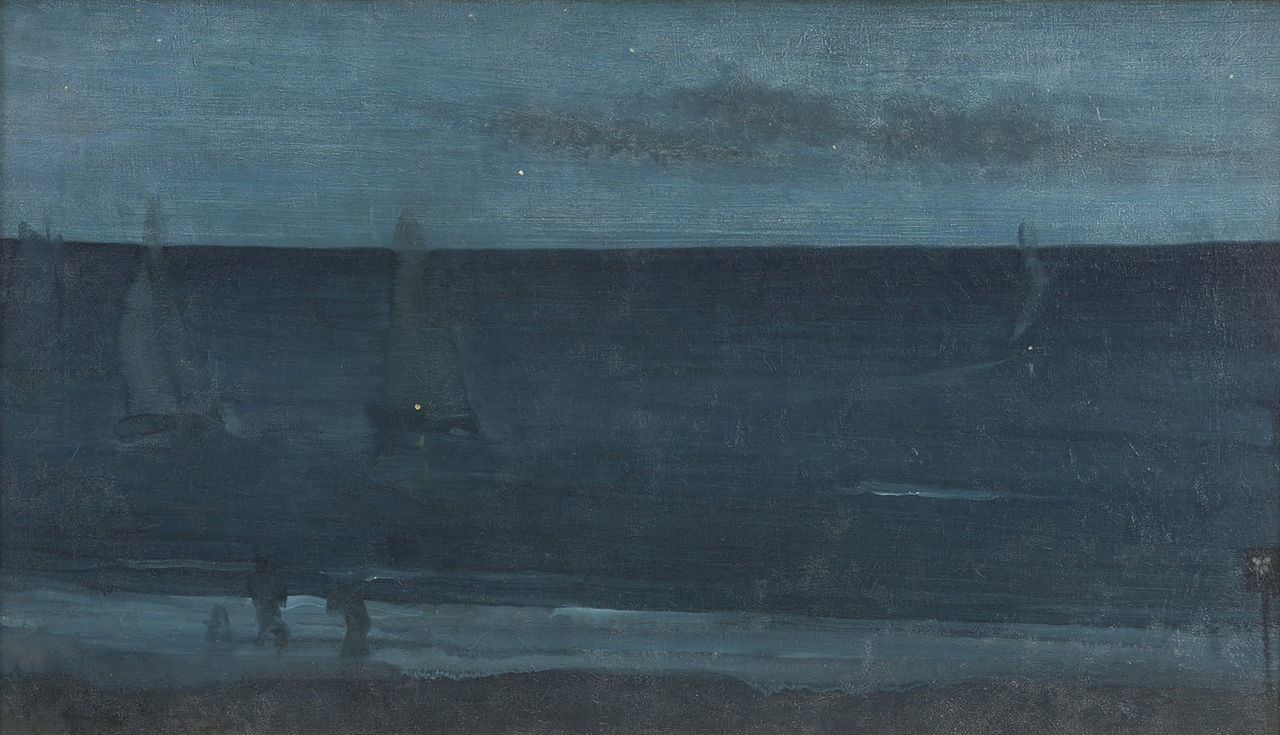
Debussy completed Nocturnes on 15 December 1899. He chose the title in part to evoke the twilight and evening impressions found in contemporary painting and art; James McNeill Whistler's series of nocturnal paintings is often cited as an influence on Debussy's concept of musical "nocturnes." The work sits between Romantic orchestration traditions and newer, impressionistic approaches to harmony and form.
Musical characteristics
Nocturnes is notable for its emphasis on timbre and sonority. Debussy favors modal and whole-tone scales, extended chords and parallel harmonies to create shimmering sonorities and ambiguous tonal centers. Melodic fragments and repeating motifs suggest atmosphere more than narrative, and dynamic shading and instrumental color play a central role.
Reception and influence
Since its early performances the work has been admired for its novel orchestral textures and has influenced composers and conductors exploring coloristic writing. It is frequently programmed in concerts and appears on many recordings; the combination of instrumental color with a wordless chorus in the last section is among its most remarked-upon features.
Notable facts and distinctions
- Although called "Nocturnes," Debussy's pieces are not character pieces in the same vein as 19th-century nocturnes for piano; they are orchestral tone‑pictures emphasizing light and shadow.
- The presence of a female chorus in the final part creates a textless human timbre that blends with orchestral color rather than delivering texted lyrics.
- Debussy's approach here helped define what later critics and historians labeled musical impressionism, a term he himself did not wholeheartedly endorse; see commentary by scholars and performers for differing views of that label (French musical context and broader reception).
For further reading and context about the composer and related works, see resources on the composer and the genre, and consult specialized editions and recordings for score details and performance practice.
Questions and answers
Q: What is Nocturnes?
A: Nocturnes is a piece of music for orchestra composed by the French composer Claude Debussy.
Q: How many movements are in Nocturnes?
A: There are three movements in Nocturnes.
Q: Is there a chorus in Nocturnes?
A: Yes, there is a female chorus in the last movement of Nocturnes.
Q: When did Debussy finish writing Nocturnes?
A: Debussy finished writing Nocturnes on December 15, 1899.
Q: Is Nocturnes the only musical composition called "Nocturne"?
A: No, there are other musical compositions called "Nocturne".
Q: Who was the composer of Nocturnes?
A: The composer of Nocturnes was Claude Debussy, a French composer.
Q: What type of musical work is Nocturnes?
A: Nocturnes is an orchestral suite.
Related articles
Author
AlegsaOnline.com Nocturnes (Debussy) Leandro Alegsa
URL: https://en.alegsaonline.com/art/70529