
Niš — city in southern Serbia, regional center and historical crossroads
Niš is a major city in southern Serbia, notable for its long history from Roman Naissus to Ottoman rule, its role as a transport and cultural hub, and landmarks such as Niš Fortress and the Skull Tower.
Overview
Niš is a principal city in southern Serbia, long recognized as an important crossroads between Central Europe and the Balkans. It is the third-largest urban centre in the country after Belgrade and Novi Sad. Niš serves as the administrative seat of the Nišava District and functions as a regional hub for commerce, education and transportation.
Image gallery
10 Images




Geography and administration
The city lies on the Nišava River in a valley surrounded by hills and low mountains. Its position places it on several road and rail corridors that historically and presently connect the Danube basin with the Aegean. The wider administrative area includes urban neighbourhoods, suburban settlements and rural territory; the municipality contains industrial zones as well as agricultural land and a spa settlement nearby.
History
Niš has a long recorded past. In antiquity the settlement was known as Naissus and later became an important Roman town; tradition links the city to the birth of Emperor Constantine the Great. Across the centuries Niš passed under Byzantine influence, medieval Serbian states and prolonged Ottoman rule, each leaving architectural and cultural traces. In the 19th and 20th centuries the city developed as an industrial and transport centre and experienced the political changes that shaped the modern Balkans.
Landmarks and culture
The city preserves several notable sites that attract residents and visitors. Key places include:
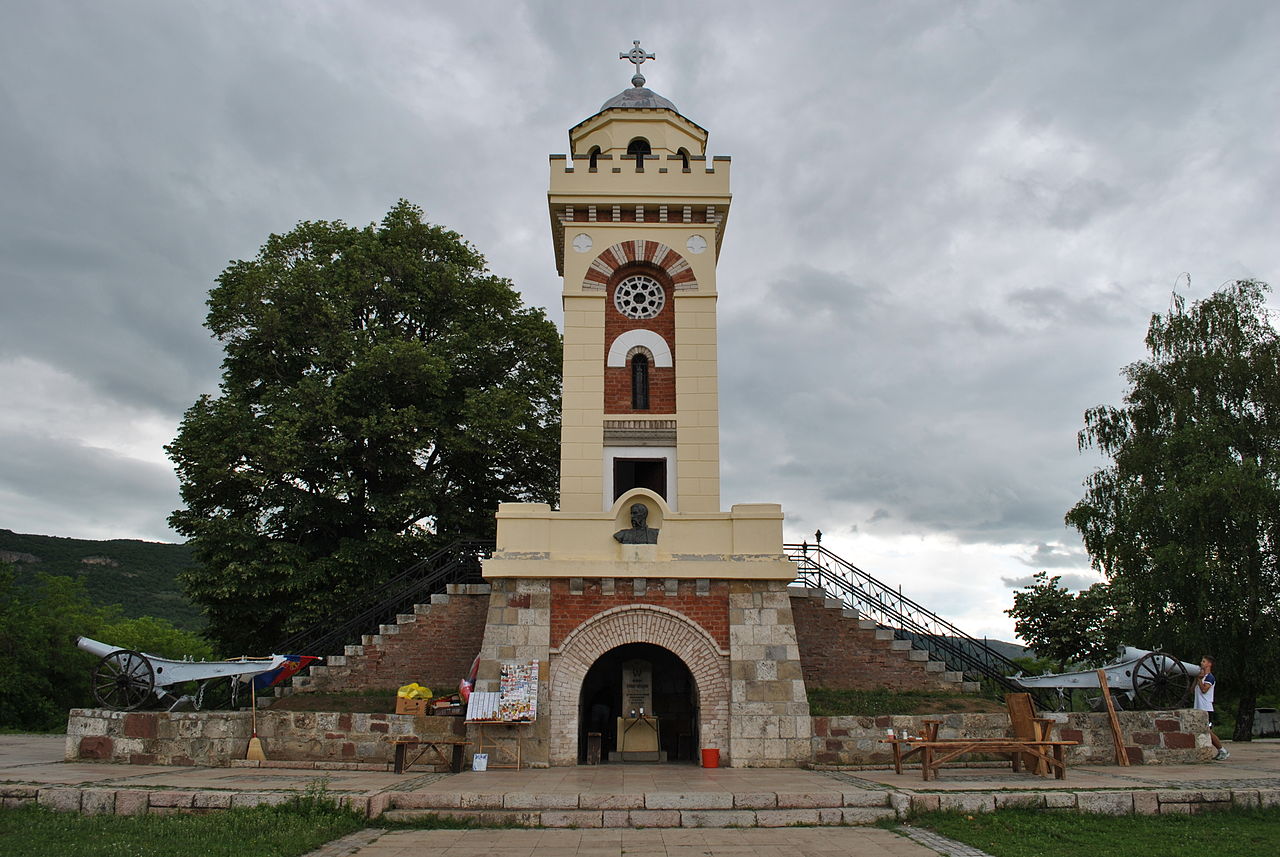
- Niš Fortress — a well-preserved fortress complex of largely Ottoman construction set on the riverbank, hosting cultural events and public spaces.
- Ćele Kula (Skull Tower) — a memorial linked to early 19th-century resistance against Ottoman rule, preserved as a distinctive and somber monument.
- Mediana — an archaeological site and estate from the late Roman period with mosaics and remains of villas.
- Tinkers Alley (Kazandžijsko sokače) — a historic street of shops and cafes, alongside museums and galleries that document local heritage.
Niš maintains an active cultural calendar. The city is known for festivals such as the Nišville Jazz Festival, theatrical productions, film events and traditions that reflect its layered past and contemporary cultural life.
Economy and transport
Economically, Niš combines light industry, trade, services, education and a growing information technology sector. The city is served by Niš Constantine the Great Airport and by major highways and railway lines that support freight and passenger transit across the region. These transport links reinforce Niš’s historical role as a gateway between different parts of the Balkans.
Population, education and civic life
According to national statistics from the early 2010s the city proper has a population on the order of one to two hundred thousand inhabitants, while the wider administrative area counts more. Niš is home to the University of Niš, which hosts faculties in sciences, engineering, medicine, arts and social sciences and contributes to regional research and professional training. The city’s public institutions, cultural organizations and parks serve a diverse urban population.
Tourism and nearby attractions
Visitors to Niš often combine the city’s historical sites with excursions to local spas, countryside and natural areas in the surrounding district. Efforts to conserve archaeological sites and historic quarters aim to balance preservation with contemporary urban development. Niš continues to attract interest for its history, festivals and role as a regional centre.
Related articles
Author
AlegsaOnline.com Niš — city in southern Serbia, regional center and historical crossroads Leandro Alegsa
URL: https://en.alegsaonline.com/art/70366