
Nihon Shoki (Nihongi) — The Chronicles of Japan
An authoritative Nara-period chronicle compiled in 720 CE. The Nihon Shoki records mythology, imperial annals, and early foreign relations and is a key source for Japan's early history and Shinto tradition.
Overview
The Nihon Shoki (also Nihongi), completed in 720 CE, is one of Japan's earliest and most important historical chronicles. Compiled under imperial authority during the Nara period, it records the legendary origins of the kami, the genealogies of emperors, and events in Japan's early political and diplomatic life. It is written in classical Chinese so that it could be read across the East Asian cultural sphere.
Image gallery
5 Images


Composition and structure
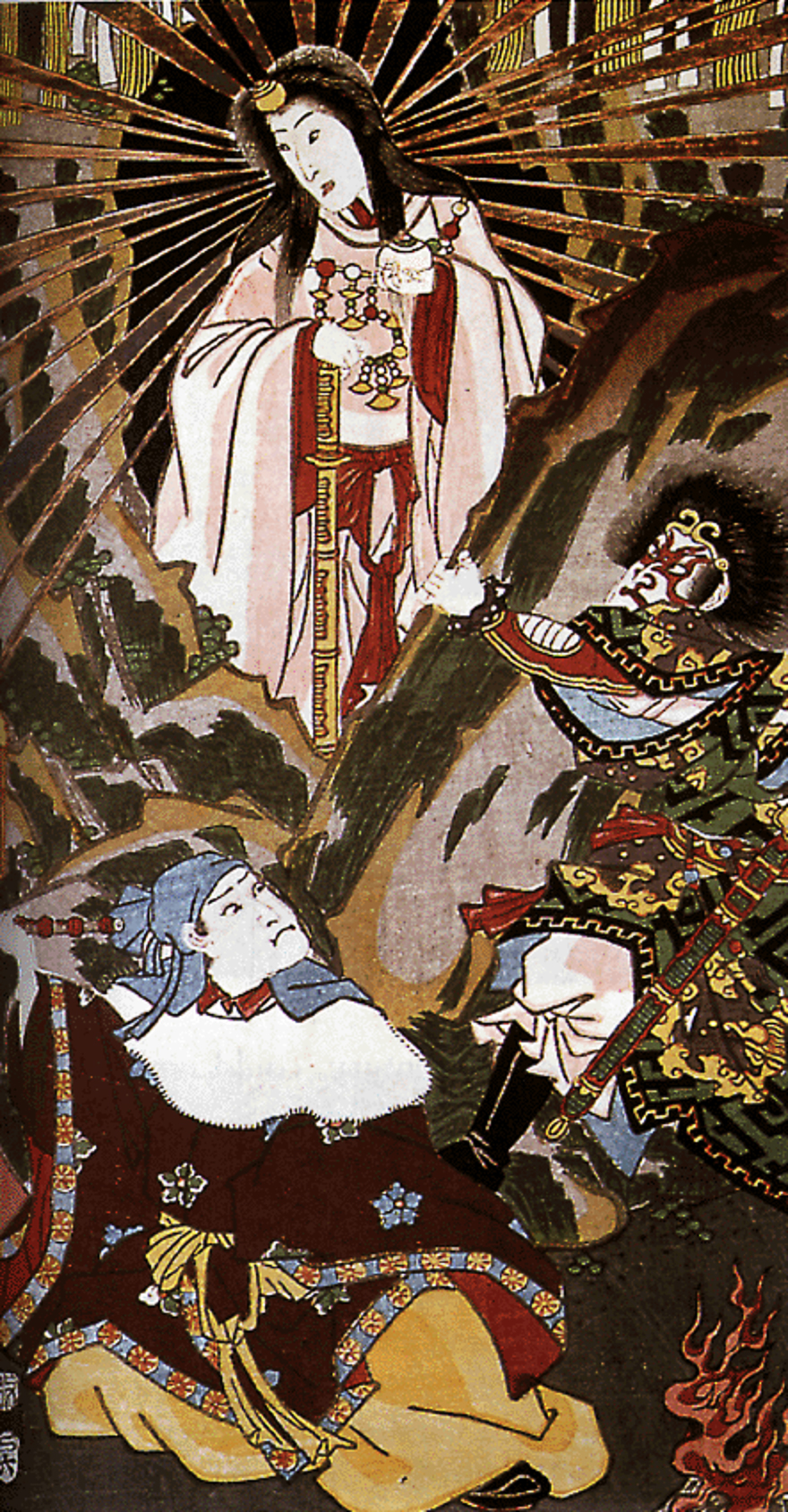
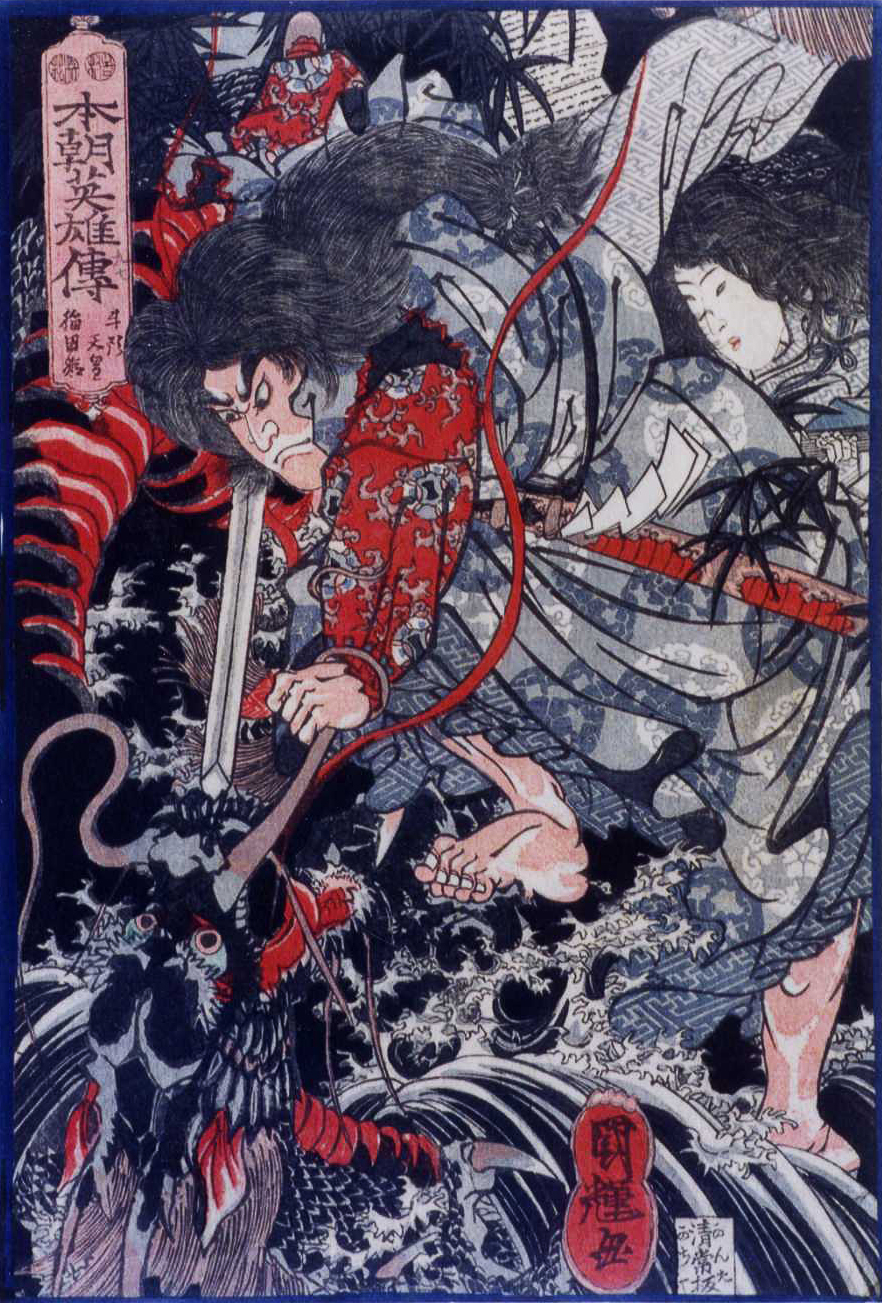
The work is arranged as a series of annals and biographies, organized into multiple volumes. The opening sections preserve creation myths and the exploits of major Shinto deities such as Amaterasu and Susanoo; later volumes move to dated accounts of rulers and court events. The compilers cited older records and oral traditions and sometimes presented alternative versions of the same episode.
Key features
- Written in kanbun (classical Chinese) rather than the phonetic Japanese script used in some contemporaneous texts.
- Combines mythology and history, transitioning from mythic age to more firmly dated events.
- Served as an official state history and modelled on Chinese historiographical forms.
- Included detailed notes on diplomatic contacts with the Korean peninsula and China.
Historical importance
The Nihon Shoki is a foundational source for the study of early Japan. It helped legitimize imperial authority by linking ruling lineages to divine ancestors and provided a framework for court ritual and historiography. Later official histories grew from the same tradition and are collectively known as the Rikkokushi.
Reliability and use
Modern historians treat the Nihon Shoki with caution: its earliest sections are mythological, while later portions become more historically plausible. Archaeology and external records are used alongside the text to test dates and events. Despite its mixed character, the chronicle remains indispensable for reconstructing political developments, religious history, and Japan's relations with neighboring states in the first centuries CE.
Notable distinctions
The Nihon Shoki differs from the earlier Kojiki in language, scope, and purpose. Kojiki was compiled in an approximation of Japanese speech and emphasizes myth and genealogy; the Nihon Shoki is longer, more systematic, and composed to address both domestic legitimation and international protocol. Together these works form the backbone of Japan's early historical and mythological record.
Related articles
Author
AlegsaOnline.com Nihon Shoki (Nihongi) — The Chronicles of Japan Leandro Alegsa
URL: https://en.alegsaonline.com/art/70166
Sources
- commons.wikimedia.org : Nihon Shoki