
Nicolas Poussin: French painter and master of classical composition
Nicolas Poussin (1594–1665) was a French Baroque painter who worked mainly in Rome. He is known for classical clarity, carefully ordered compositions and scenes drawn from mythology and the Bible.
Overview
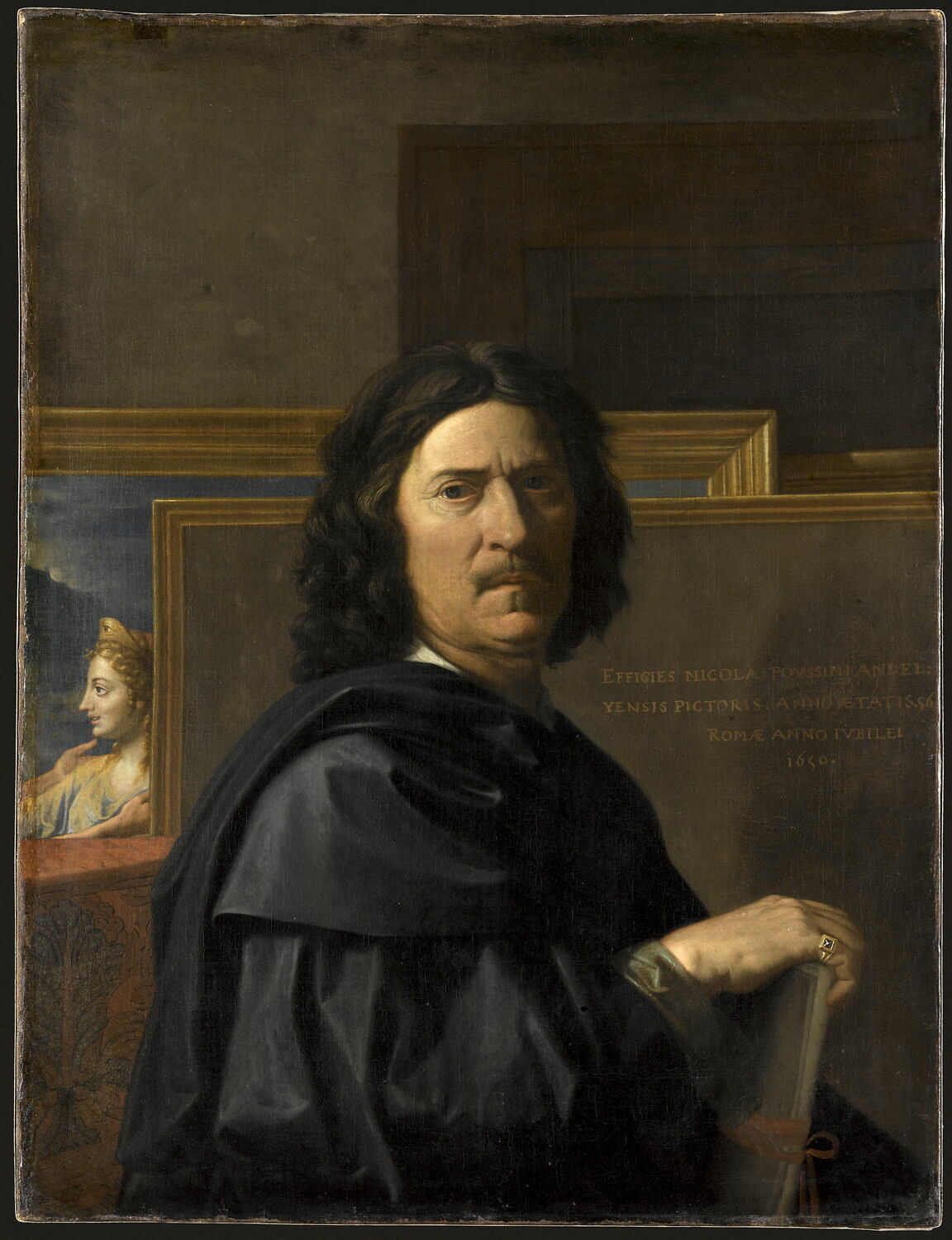
Nicolas Poussin (June 1594 – 19 November 1665) was a French painter who became a central figure in 17th‑century classicism. He spent most of his working life in Rome and sought to revive a disciplined, architectonic approach to painting, treating narrative, proportion and drawing as the foundations of art. For audio reference to his name see UK pronunciation and US pronunciation. He painted episodes taken from classical poets and the Bible.
Image gallery
10 Images



Style and characteristics
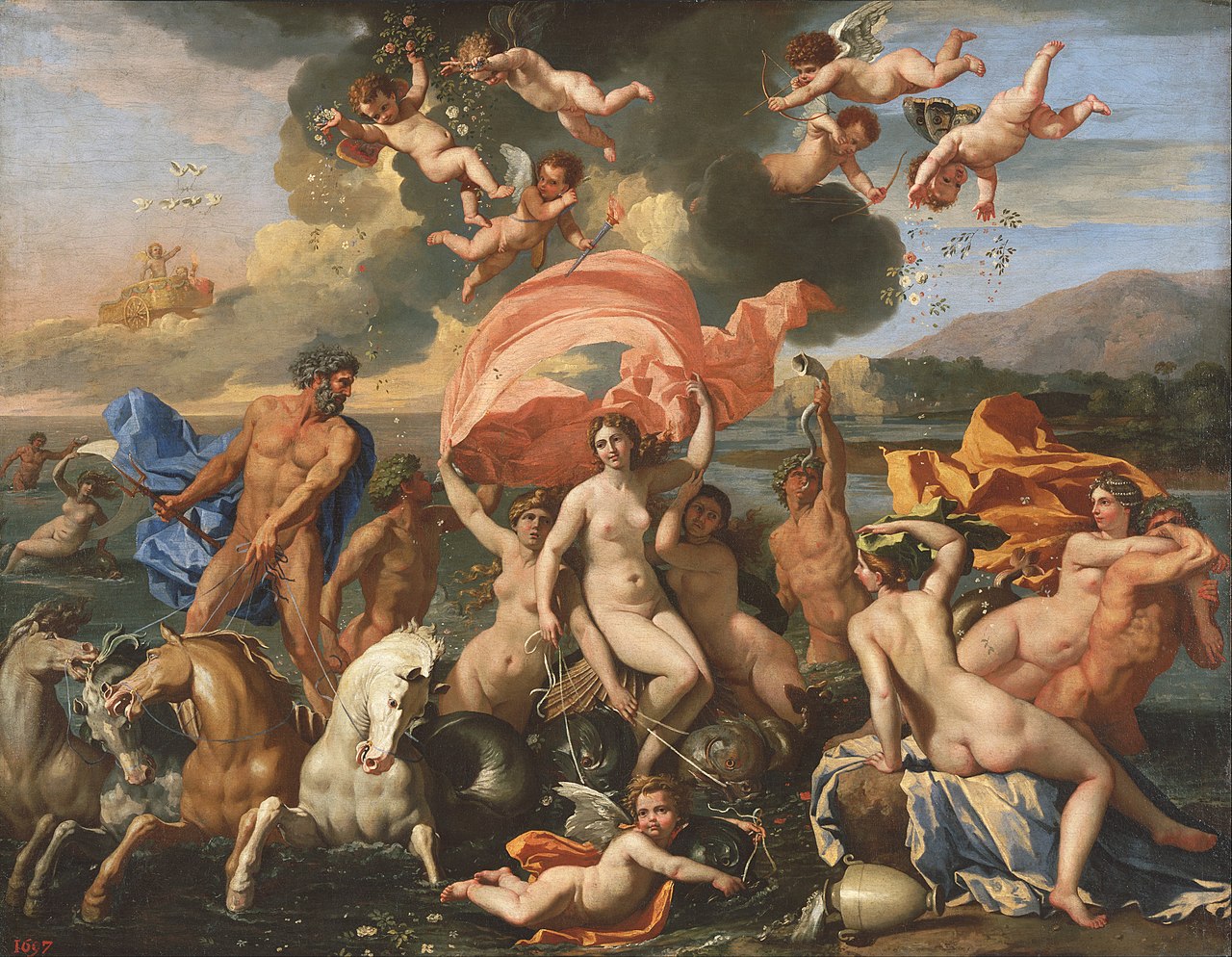
Poussin's work is marked by rigorous composition, calm figures, and clear spatial order. He favored formal geometry, carefully arranged gestures and restrained emotion rather than dramatic, painterly spectacle. Color supports drawing and structure rather than dominating it; this classical restraint set him apart from more exuberant Baroque painters.
Subjects and examples
His subjects range across ancient history, Greco‑Roman myth and Christian narratives. Rather than naturalistic anecdote, Poussin often presented scenes as moral or philosophical tableaux intended to convey universal meaning. Notable examples frequently cited in art history include the famous pastoral theme "Et in Arcadia Ego" alongside many biblical and mythological compositions.
Life and career
Born in Normandy, Poussin moved to Rome as a young man, where patronage and classical antiquity shaped his mature work. He accepted commissions from cardinals, collectors and travelers to Rome, and he returned to France at times for important commissions but preferred the intellectual and artistic life he found in Italy. His letters and sketches reveal a careful planning process and an interest in antiquity and theory.
Influence and legacy
Poussin became a touchstone for later generations who sought order and clarity in painting. In the 18th and 19th centuries his emphasis on drawing and compositional control influenced the development of Neoclassicism. Critics and artists have repeatedly revisited his balance of narrative, form and moral intent.
Notable facts
- He preferred design and intellectual planning to improvisation in color.
- He worked mostly in Rome but retained strong ties to France and French patrons.
- His work is studied as a model of compositional discipline and classical storytelling in painting.
Related articles
Author
AlegsaOnline.com Nicolas Poussin: French painter and master of classical composition Leandro Alegsa
URL: https://en.alegsaonline.com/art/70017