
Newton County, Texas: A concise guide to geography, history, and community
Newton County is a rural East Texas county on the Louisiana border. This article summarizes its location, landscape, history, economy, and civic role, noting the county seat and population details.
Overview
Newton County is a sparsely populated county in eastern Texas, adjoining the Louisiana state line. As reported in the 2010 census, the county had 14,445 residents. The county seat and administrative center is the town of Newton, which houses the courthouse and local government offices. The county lies within the broader context of East Texas and shares cultural and economic ties with neighboring communities across the border.
Image gallery
1 Image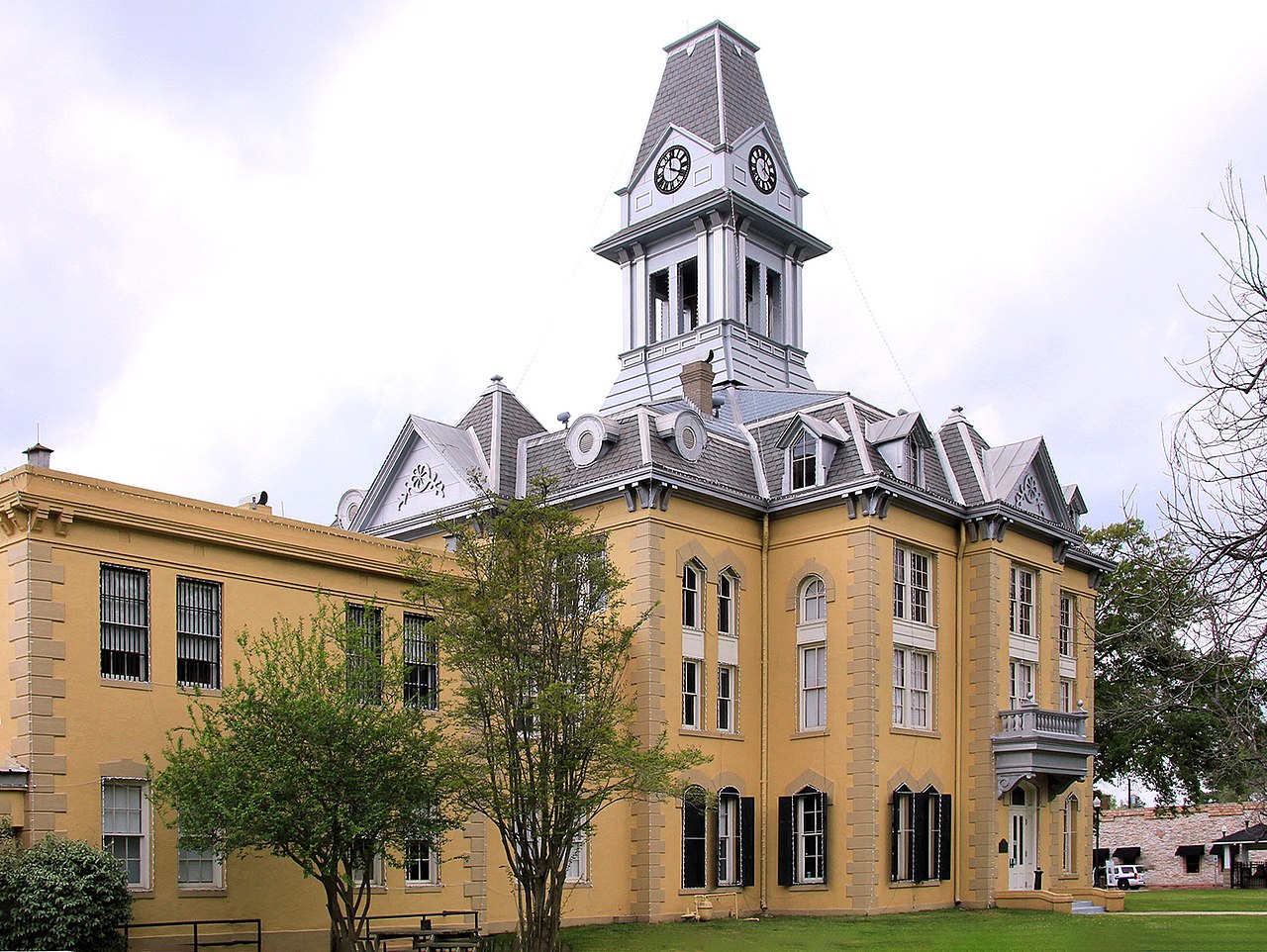
Geography and environment
Newton County is part of the Piney Woods region, characterized by mixed pine and hardwood forests, wetlands, and low hills. Its rural landscape supports outdoor recreation such as hunting, fishing, and birdwatching. Local waterways, timber stands and undeveloped tracts define much of the county’s land use and scenic character.
History and development
European-American settlement and organized county government emerged during the 19th century as Texas developed its local institutions. The area’s economy and settlement patterns grew around forestry, small-scale agriculture, and transportation routes linking communities to regional markets.
Economy, services, and community life
The county’s economy is dominated by natural-resource activities, with timber and related industries prominent alongside small farms and service businesses. Local government provides education, public safety, roads and other essential services. Residents rely on a mix of community institutions, volunteer groups and regional centers for health care, shopping and higher education.
Notable facts and distinctions
- Border location: Newton County borders Louisiana to the east, influencing cross-state commerce and culture.
- Rural character: low population density and abundant forest land distinguish it from urban Texas counties.
- Demographic note: the population figure of 14,445 is drawn from the 2010 count and provides a baseline for local planning and services; more recent estimates are available from state and federal sources (population data).
For official information about county government, public records and services consult the county’s administrative contacts or state-level resources in Texas.
Related articles
Author
AlegsaOnline.com Newton County, Texas: A concise guide to geography, history, and community Leandro Alegsa
URL: https://en.alegsaonline.com/art/69805