
Ath (Belgium) — municipality in Hainaut
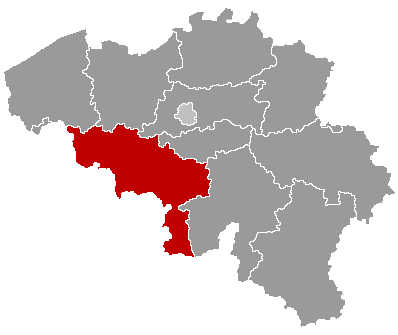
Ath is a Walloon municipality in the province of Hainaut, Belgium, known for its historic centre and the annual Ducasse d'Ath procession of giants. Coordinates: approx. 50°37′N, 3°46′E.
Overview

Ath is a municipality in the French‑speaking region of Wallonia, located in the Belgian province of Hainaut. It had a population of roughly 27,000 residents in the early 21st century and occupies a partly urban, partly rural territory at about 50°37′ North, 03°46′ East. The town functions as a local administrative and market centre for surrounding villages.
Image gallery
6 Images


Geography and administration
Ath combines an historic town core with several outlying villages and agricultural areas. Its position in central Hainaut places it within commuting distance of larger cities in western Belgium. The municipality is governed by a local council and mayor, and it provides public services typical of mid‑sized Belgian communes.
History and cultural traditions
The town has medieval origins and developed through trade and local markets. Over centuries Ath has preserved civic architecture and community customs. Its most famous living tradition is the Ducasse d'Ath, an annual festival featuring large processional figures known as "giants." This type of procession is part of a wider heritage of processional giants and dragons recognized on international cultural registers.
Landmarks, economy and life

Visitors to Ath will find a compact historic centre with churches, municipal buildings and small museums, together with weekly markets and local commerce. The surrounding area supports agriculture and small‑to‑medium enterprises. Transport links include regional roads and rail services that connect Ath to neighboring urban areas.
Events and notable facts
- The Ducasse d'Ath is the town's best-known annual event and attracts regional visitors.
- Ath serves as a local hub for education, cultural activities and municipal administration.
- Further information about the municipality or visitor services can be found on the official municipal pages.
As with many Belgian towns, Ath mixes historic character with contemporary local life: preserved traditions and public celebrations coexist with modern administration and everyday commerce, making it representative of smaller urban centres in Wallonia.
Related articles
Author
AlegsaOnline.com Ath (Belgium) — municipality in Hainaut Leandro Alegsa
URL: https://en.alegsaonline.com/art/6912
Sources
- statbel.fgov.be : Werkelijke bevolking per gemeente op 1 januari 2007 / Population de droit par commune au 1 janvier 2007 (.xls)
- statbel.fgov.be : Geografische coördinaten van de gemeenten (.xls)
- commons.wikimedia.org : Ath