
Nelly Sachs: German-Swedish poet and Nobel laureate
Nelly Sachs (1891–1970) was a German-born Jewish poet and playwright whose lyrical works addressed exile, suffering and memory. She fled Nazi Germany, lived in Sweden, and won the 1966 Nobel Prize in Literature.

Nelly Sachs (10 December 1891 – 12 May 1970) was a German-born poet and dramatist of Jewish background who became a central voice in postwar literature about exile and the Holocaust. Writing in German, she transformed personal and communal grief into concentrated lyrical drama. Her work won international recognition, including the 1966 Nobel Prize in Literature, shared with Shmuel Yosef Agnon.
Image gallery
6 Images
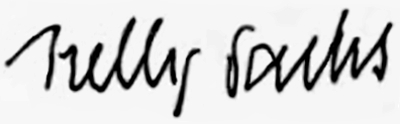


Literary style and themes
Sachs's poetry is noted for its stark, spare diction and frequent use of biblical and liturgical imagery. Themes include loss, migration, the aftermath of violence, and the struggle to name unspeakable suffering. Her language mixes mournful elegy, prophetic address and mythic reference, giving private memories a communal and sometimes ritual quality.
Life and development
Born and raised in Berlin, Sachs lived through the escalating persecution of Jews in Europe and escaped to Sweden in 1940. In exile she continued to write and publish, developing a voice that addressed both personal bereavement and the larger fate of the Jewish people. She maintained ties with contemporaries in European letters and became an important figure in German-language literature after the war.
Recognition, works and influence
Although she wrote both poems and plays, Sachs is best remembered for her lyric sequences and dramatic monologues that confront trauma and memory. The Nobel committee recognized her for poetic achievement that interprets Israel's destiny with moving intensity. Her work has been translated into many languages and is widely studied in courses on modern European literature and Holocaust testimony.
- Key concerns: exile, mourning, memory, spiritual survival.
- Language and form: German lyric with biblical and Jewish motifs.
- Legacy: influential in postwar literary and memorial culture, widely translated.
Sachs spent the rest of her life in Sweden and died in Stockholm in 1970. Her poems continue to be read for their moral urgency and formal restraint, and she remains a touchstone for writers and readers engaged with literature of witness and remembrance. More information about her life and honors can be found from sources that document Nobel laureates and Jewish writers, including entries that discuss her Jewish heritage and cultural context (Jewish background).
Related articles
Author
AlegsaOnline.com Nelly Sachs: German-Swedish poet and Nobel laureate Leandro Alegsa
URL: https://en.alegsaonline.com/art/69074