
Negros Oriental
Negros Oriental is a province on the eastern side of Negros Island in the Philippines, known for Dumaguete city, Silliman University, diverse landscapes, marine sanctuaries and a mix of agriculture, education and tourism.
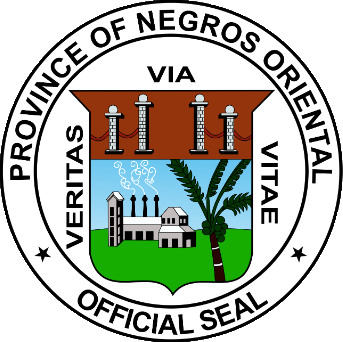
Negros Oriental is a Philippine province occupying the eastern portion of Negros Island. It lies across the Tañon Strait from the island of Cebu and shares an inland boundary with its neighbor on the same island. The provincial capital and main urban center is Dumaguete City, a coastal city noted for its universities, port and cultural life. The name is sometimes rendered as "Oriental Negros" or "East Negros" in English.
Image gallery
10 Images


Geography and natural features
The province combines coastal plains, fertile agricultural lowlands and upland volcanic ranges. Scenic highlights include coral-rich shores and marine reserves, offshore islets such as Apo Island (noted for sea turtles and diving), and upland lakes and peaks suitable for hiking. Tropical forests and mangrove systems support substantial biodiversity and local fisheries.
Economy, society and language
Agriculture remains important, with sugarcane, coconut and other crops cultivated across the plains. Fishing, small-scale manufacturing, education and a growing tourism sector contribute to livelihoods. Dumaguete is an educational hub, home to long-established institutions that attract students from around the region. Cebuano (a Visayan language) is the dominant local language; Filipino and English are also widely used.
History and administration
The territory was historically part of broader colonial administrative divisions under Spanish and later American rule before being organized as an eastern province. Today it is governed as a provincial unit with several component cities and numerous municipalities. Tourist, conservation and development policies are balanced against traditional agriculture and coastal resource use.
Places of interest and notable facts
- Dumaguete City — cultural and educational center with a busy port.
- Apo Island — a well-known marine sanctuary and dive destination.
- Upland areas — offered for trekking, freshwater lakes and volcanic terrain.
- Conservation efforts — local marine protected areas and community-based projects.
For official and travel information consult provincial sources such as the province's official website, and general country guidance from national resources in the Philippines.
Related articles
Author
AlegsaOnline.com Negros Oriental Leandro Alegsa
URL: https://en.alegsaonline.com/art/69034