
Negeri Sembilan: Malaysian state — geography, culture, history and economy
Negeri Sembilan is a Malaysian state on the southern Malay Peninsula, known for Minangkabau architecture, the matrilineal Adat Perpatih system, Seremban capital, and a mix of agriculture, industry and coastal tourism.
Negeri Sembilan is a state on the southern part of Peninsular Malaysia with a distinctive cultural identity and varied landscape. Its administrative centre is Seremban, a regional hub for commerce and transport. The state combines lowland coastal areas with interior hills and river valleys, creating a mix of rural and urban environments that shape local life and economy.
Image gallery
10 Images



Geography and administration
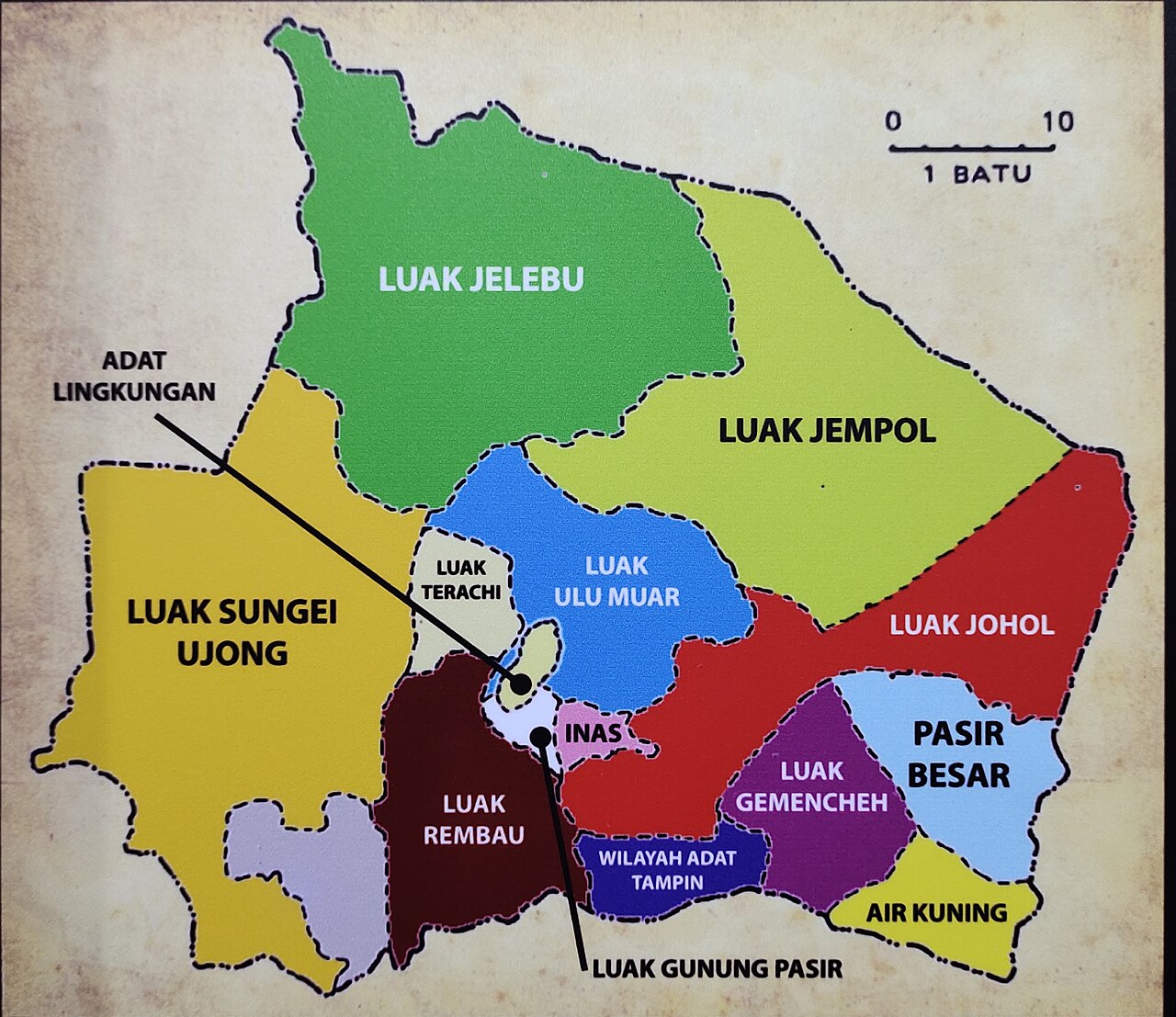
Negeri Sembilan occupies a compact area south of the greater Klang Valley region. It is divided into several districts that administer towns, villages and agricultural land. Major districts include:
- Seremban (the state capital)
- Kuala Pilah
- Jelebu
- Jempol
- Tampin
- Rembau
- Port Dickson
People, customs and architecture
The state is notable for its Minangkabau cultural influence brought by migrants from Sumatra. That heritage appears in rooflines that curve upward like buffalo horns and in the customary law known as Adat Perpatih, a matrilineal system that governs inheritance and some community matters. Traditional villages, royal seats such as Seri Menanti and cultural festivals reflect a blend of Malay, Minangkabau and modern Malaysian life.
History and development
Negeri Sembilan developed as a confederation of small chiefdoms with a unique adat-based monarchy. Over time it integrated into the colonial-era administration of the Malay states and later became part of independent Malaysia. Historical sites and palaces commemorate the state's royal and communal traditions while roads and rail links have connected Seremban to national networks.
Economy, tourism and significance
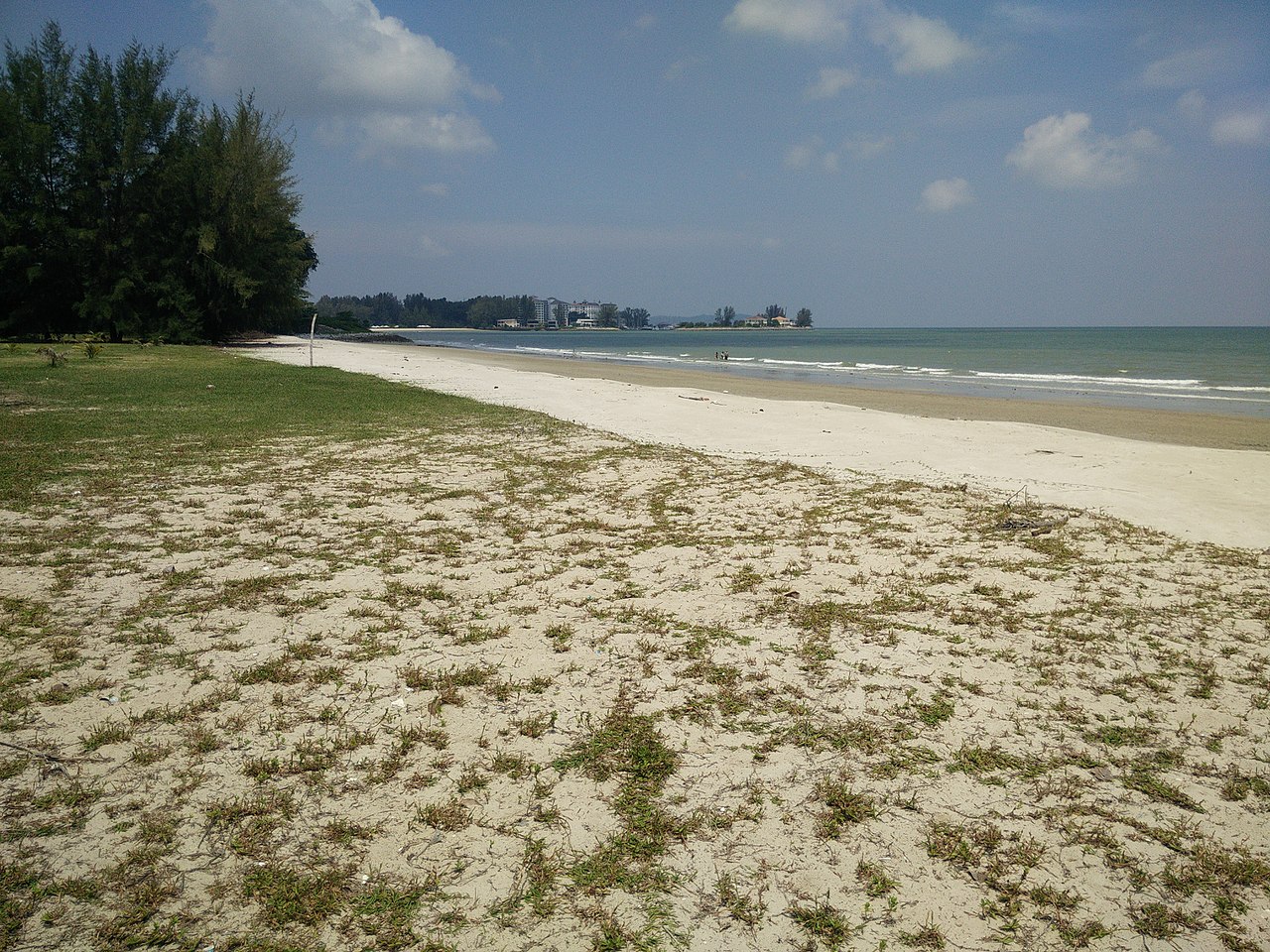
The local economy mixes agriculture (rubber and oil palm historically), light manufacturing and services. Coastal Port Dickson attracts beach visitors, while rural areas offer eco-tourism and heritage trails. For official information consult the Negeri Sembilan state information and local resources about Seremban.
Negeri Sembilan stands out among Malaysian states for its distinctive social customs, architectural style and the persistence of communal institutions that continue to influence civic life and identity.
Related articles
Author
AlegsaOnline.com Negeri Sembilan: Malaysian state — geography, culture, history and economy Leandro Alegsa
URL: https://en.alegsaonline.com/art/69021
Sources
- tourism.gov.my : "Negeri Sembilan: Land of Quiet Grace"