
Ned Kelly (2003 film)
2003 Australian period drama directed by Gregor Jordan, starring Heath Ledger as the bushranger Ned Kelly. Adapted from Robert Drewe's novel Our Sunshine and filmed at locations across Victoria.
Overview
Period drama film Ned Kelly (2003) was directed by Gregor Jordan and stars Heath Ledger in the title role. The screenplay adapts Robert Drewe's novel Our Sunshine, a literary re‑examination that blends documented episodes with interpretive scenes to explore the life and legend of Ned Kelly.
Image gallery
7 Images


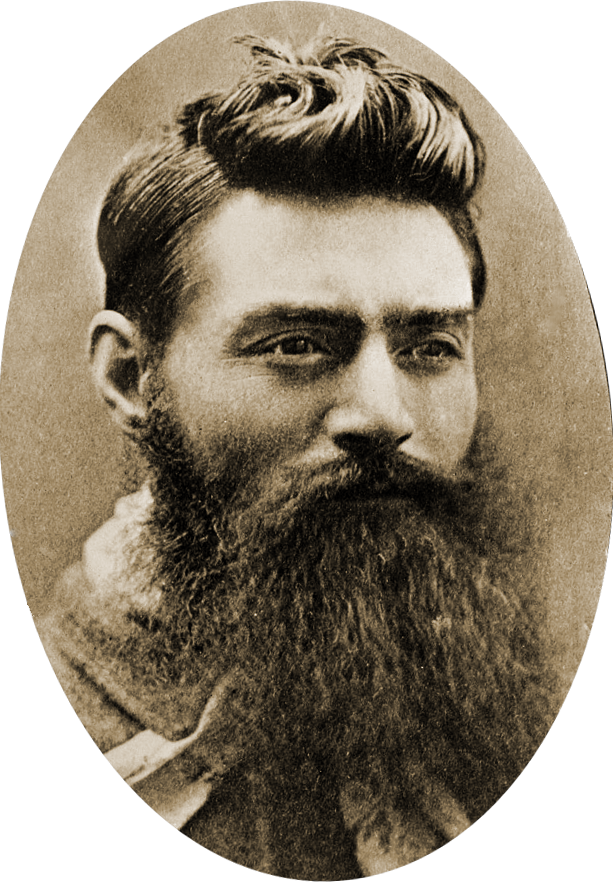

Historical context
The subject of the film is the 19th‑century Irish‑Australian outlaw often categorized in Australian history as a bushranger. The movie presents the social pressures, confrontations with colonial law enforcement, and the events that culminated in Kelly's final stand, capture and 1880 execution. It foregrounds the tension between mythmaking and recorded fact that surrounds the Kelly story.
Production and locations
Location shooting took place across regional Victoria to evoke the rural and small‑town settings associated with the historical narrative. Principal photography used the Little River Earth Sanctuary and Mount Rothwell near Geelong. Period town sequences were filmed in Clunes and Ballarat, with additional scenes shot in Broadford, Glenfern, Hepburn Springs and Melbourne. The choice of sites aimed to match landscape, architecture and streetscapes to the late‑19th century atmosphere.
Cast, adaptation and themes
Heath Ledger's performance as the central figure attracted attention for its intensity and for how it framed Kelly as both an individual and a symbol. The adaptation condenses and reshapes episodes from Drewe's novel; recurring themes include loyalty and betrayal within the Kelly Gang, class tensions under colonial rule, and the construction of nationalist myth.
Design, music and filmmaking
Design elements—costume, production design and landscape photography—were emphasized to create period authenticity and to underline the film's somber tone. Music and editing are used to balance intimate character moments with larger, sometimes operatic, sequences such as confrontations and raids. The film's visual choices contributed to debates about historical fidelity versus artistic license.
Reception and legacy
Critics offered mixed responses: many praised the production values and the lead performance, while others critiqued the narrative focus and decisions about historical detail. The film renewed popular discussion of Kelly's place in Australian cultural memory and remains one of several significant cinematic treatments of the Kelly legend. For background on the historical figure and cultural responses, readers can consult biographical material and studies of the bushranger tradition or further resources about Ned Kelly.
Further information
- Adapted from Robert Drewe's novel Our Sunshine, itself a reinterpretation of the historical record.
- Principal locations included Mount Rothwell, Little River and regional towns such as Clunes and Ballarat.
- For production credits, release details and additional reading, see materials associated with the film and archival sources in Victoria and national film registries (film, production).
Related articles
Author
AlegsaOnline.com Ned Kelly (2003 film) Leandro Alegsa
URL: https://en.alegsaonline.com/art/68979
Sources
- webwombat.com.au : "Gregor Jordan Interview"