
Naval base (military port)
A naval base is a secure military port that supports warships, submarines and naval aircraft—providing berthing, logistics, maintenance, training and command facilities for sea operations.
Overview
A naval base, sometimes called a navy base or military port, is a shore facility that supports naval operations and the ships and personnel assigned to them. It provides places for warships to berth when not deployed, a supply chain for fuel and provisions, and infrastructure for routine maintenance and specialized repairs. Naval bases can range from large permanent stations that host fleets to small forward or expeditionary sites established for a specific campaign or patrol.
Image gallery
2 Images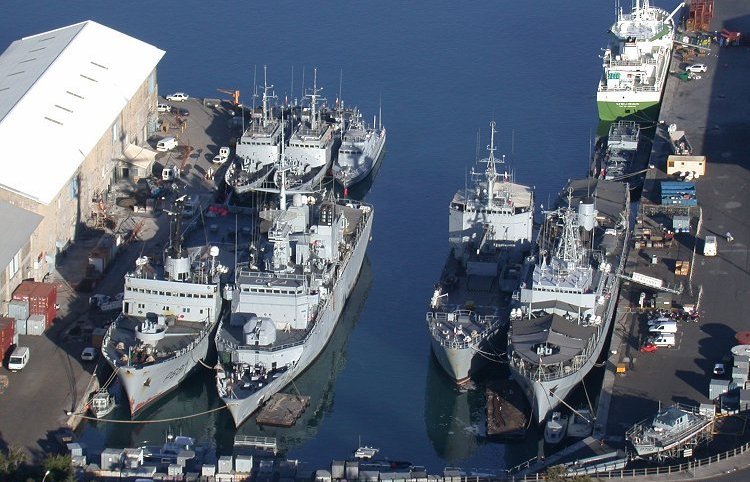

Facilities and organization
Typical naval base components are designed to sustain vessels, air assets and crews. Common elements include piers and docks, dry docks for hull work, warehouses and fuel depots, ammunition magazines, workshops and shipyards for repairs, and administrative and housing areas for personnel. Many bases also contain naval air stations or helicopter pads to support maritime aviation and helicopter detachments from larger ships. For more on basic definitions see naval base.
Features and specialized infrastructure
- Berthing and piers for surface ships and tenders.
- Submarine pens and specialized facilities for undersea vessels.
- Dry docks, slipways and marine railways for maintenance.
- Fuel and ordnance storage with strict safety zones.
- Logistics hubs, medical centers and training ranges.
These features enable bases to regenerate combat power and to act as staging areas before operations at sea. They are tailored to the types of ships they host, whether surface combatants, auxiliary vessels or submarines. See also resources on warships.
History and development
Naval bases have existed in various forms since states first organized maritime forces, evolving from simple anchorages to complex industrial and logistical centers. The industrial revolution and the rise of steam power increased the importance of coaling, fuel supplies and repair facilities, while the twentieth century saw expansion of naval shipyards, submarine pens and airbases. Well-known modern examples include long-established ports such as Pearl Harbor and other strategic installations that have shaped naval doctrine. For broader historical context consult related material.
Roles, operations and significance
Beyond maintenance and resupply, naval bases serve tactical and strategic functions: command and control, intelligence collection, crew training and rapid deployment. Forward bases extend a navy's operational reach; home ports concentrate forces for peacetime training, family support and large-scale maintenance cycles. Naval facilities also maintain security controls and environmental procedures because they handle fuel, munitions and sensitive technologies. Practical examples of operational roles are logistic support during humanitarian missions or acting as hubs during multinational exercises.
Distinctions and notable facts
Not every port is a naval base: commercial ports focus on trade, while naval bases are military installations with restricted access and purpose-built infrastructure. Other related terms include "naval station," which often denotes an administratively significant base, and "forward operating base," indicating a temporary or expeditionary site closer to contested areas. For operational guidelines and mission listings see official references.
Naval bases remain central to maritime security, enabling navies to project power, sustain operations and protect maritime interests in peacetime and conflict.
Related articles
Author
AlegsaOnline.com Naval base (military port) Leandro Alegsa
URL: https://en.alegsaonline.com/art/68830