
ASUS Eee PC
The ASUS Eee PC is a compact, low-cost laptop line introduced by ASUS (with Intel support) that helped establish the netbook category. It emphasized portability, simplicity, and affordable mobile computing.
Overview
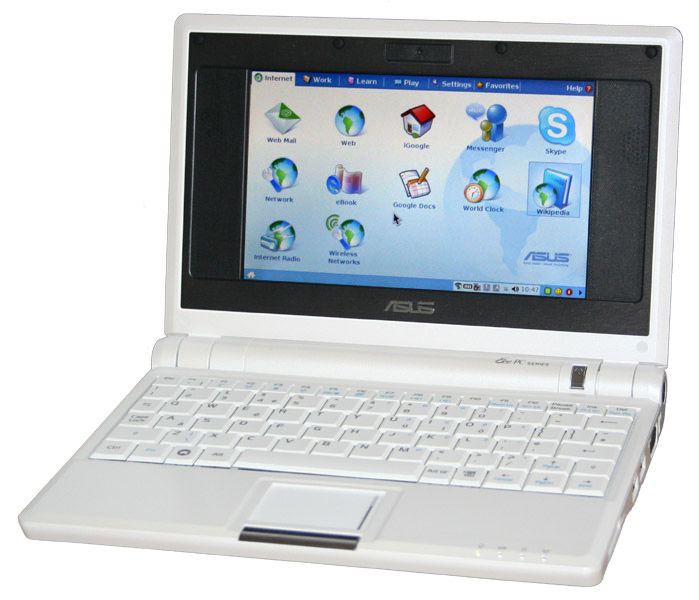
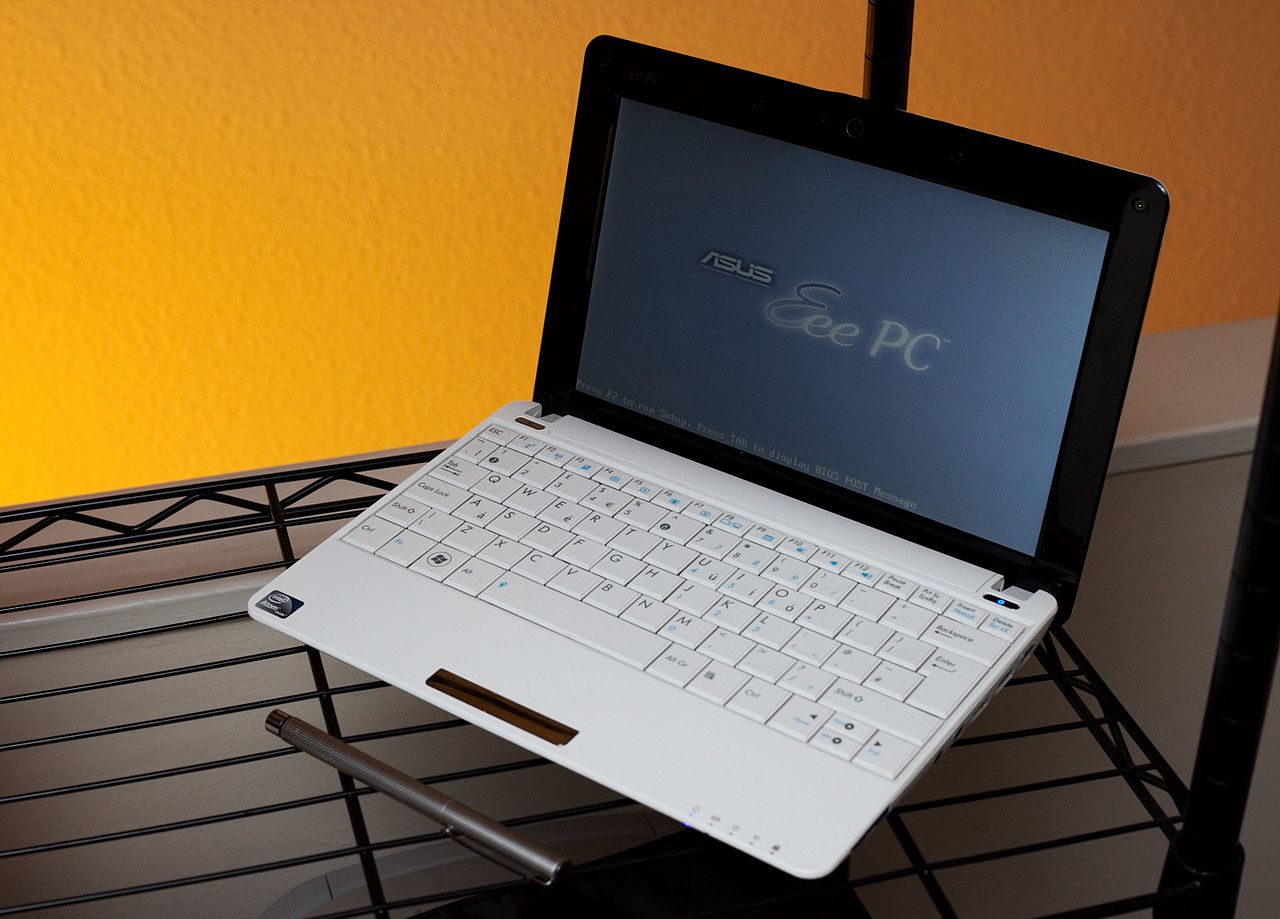
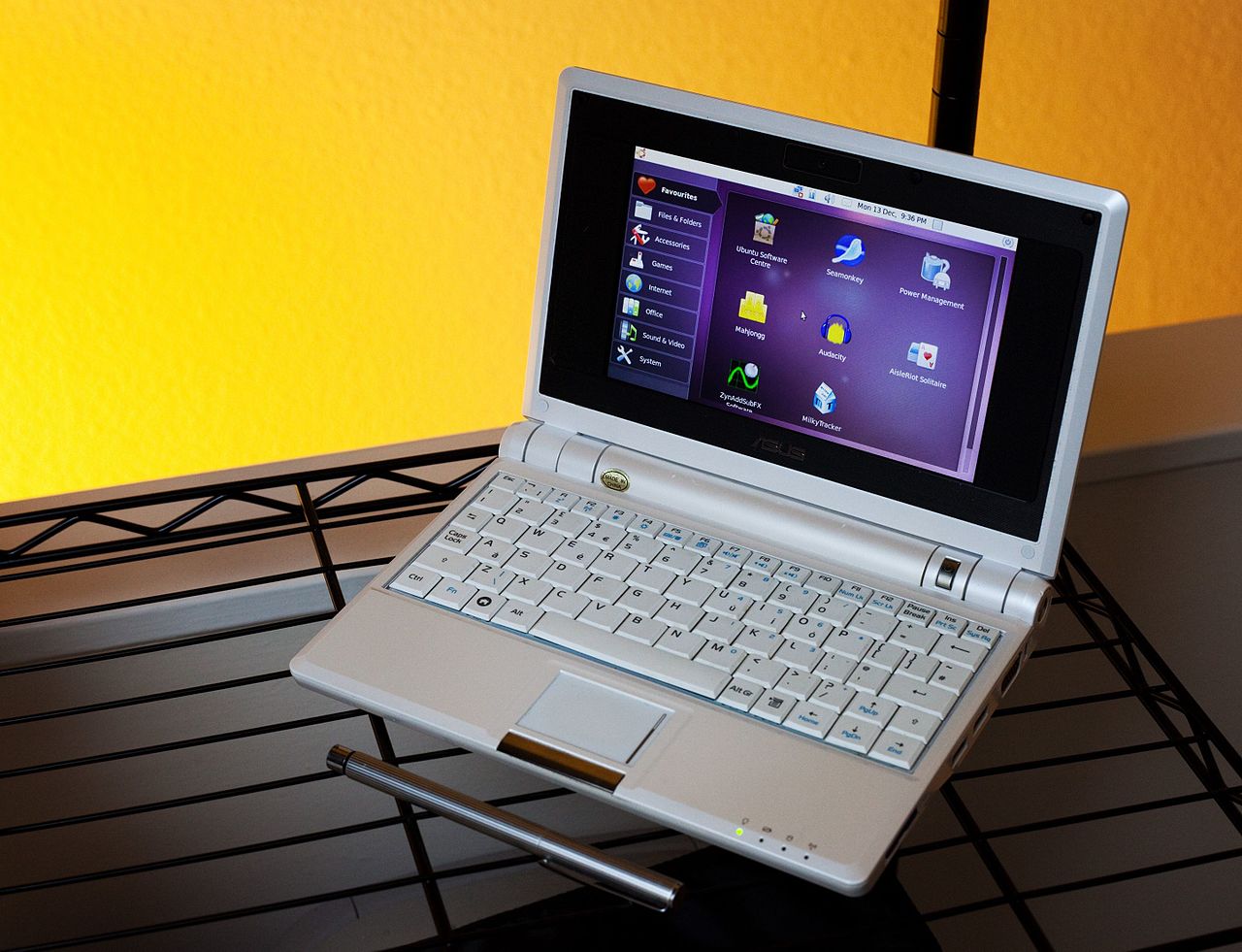
The ASUS Eee PC is a family of small, inexpensive laptops introduced in the late 2000s by ASUS with platform support from Intel. Marketed for its light weight, reduced cost and simple user experience, the Eee PC was aimed at users who needed basic web, email and document tasks on the go. Early models favored solid-state storage and compact screens to keep the devices rugged and energy efficient.
Image gallery
10 Images





Design and characteristics
Physically, Eee PCs are distinguished by their small footprint and modest keyboards. Screen sizes typically ranged from very compact displays up to roughly ten inches, paired with low-power processors and small-capacity storage. Common features included multiple USB ports, a card reader, basic wired networking, and an emphasis on long battery life rather than raw performance.
Typical features
- Lightweight chassis and compact keyboard suitable for travel.
- Low-power CPUs and efficient components to extend battery life.
- Solid-state storage on early models for durability and quick boot times.
- Simple port selection: USB, headphone jack, display out and an SD card reader.
History and development
The Eee PC line first appeared as part of a wave of very small laptops that made portable computing more affordable and accessible. ASUS used the name "Eee" to reflect three ideals—Easy to learn, Easy to work, Easy to play—and the series evolved through several model families with incremental improvements in screen size, storage and processor capability. Over time, some Eee models offered alternative operating systems and configurations to reach broader markets.
Software editions and ecosystem
Early Eee PCs shipped with a lightweight Linux distribution to keep system requirements minimal, though later variants offered mainstream desktop operating systems to support a wider range of applications. The platform's simplicity encouraged experimentation by hobbyists and educators; a variety of community projects produced alternative system images and optimizations for low-resource hardware. For manufacturer and platform information see ASUS and Intel, for the original OS family see Linux, and for general software details see operating system.
Uses, impact and distinctions
Eee PCs were primarily used for web browsing, email, basic document editing and as secondary portable machines. They played a notable role in creating the netbook category by demonstrating demand for smaller, lower-cost laptops. While they did not match traditional notebooks in performance, Eee PCs helped spur interest in lightweight computing devices and influenced later designs for ultraportables and tablets. Their legacy is seen in the continued market for compact, energy-efficient mobile computers.
Related articles
Author
AlegsaOnline.com ASUS Eee PC Leandro Alegsa
URL: https://en.alegsaonline.com/art/6858
Sources
- eeepc.asus.com : "ASUS Eee PC"