
Nakhon Nayok province
Nakhon Nayok is a central Thai province known for its rivers, waterfalls, dams and easy access from Bangkok. It blends lowland agriculture with forested highlands and outdoor tourism.
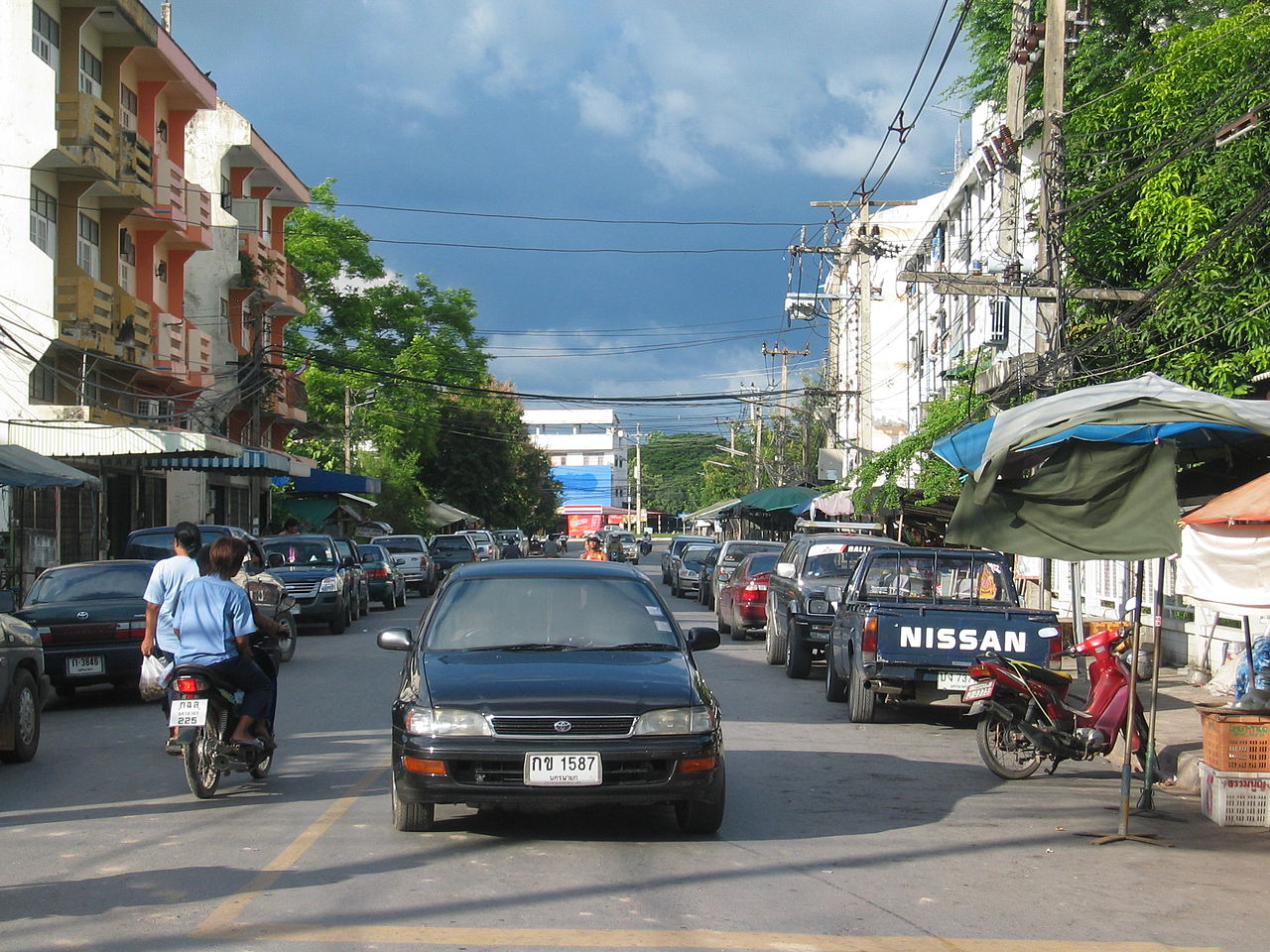
Nakhon Nayok (นครนายก) is a province in central Thailand. Its name includes the element "nakhon", borrowed from the Sanskrit word nagara, meaning city or town. The province combines agricultural plains and wooded highlands, and is a popular short-trip destination for residents of the Bangkok metropolitan area.
Image gallery
10 Images




Geography and environment
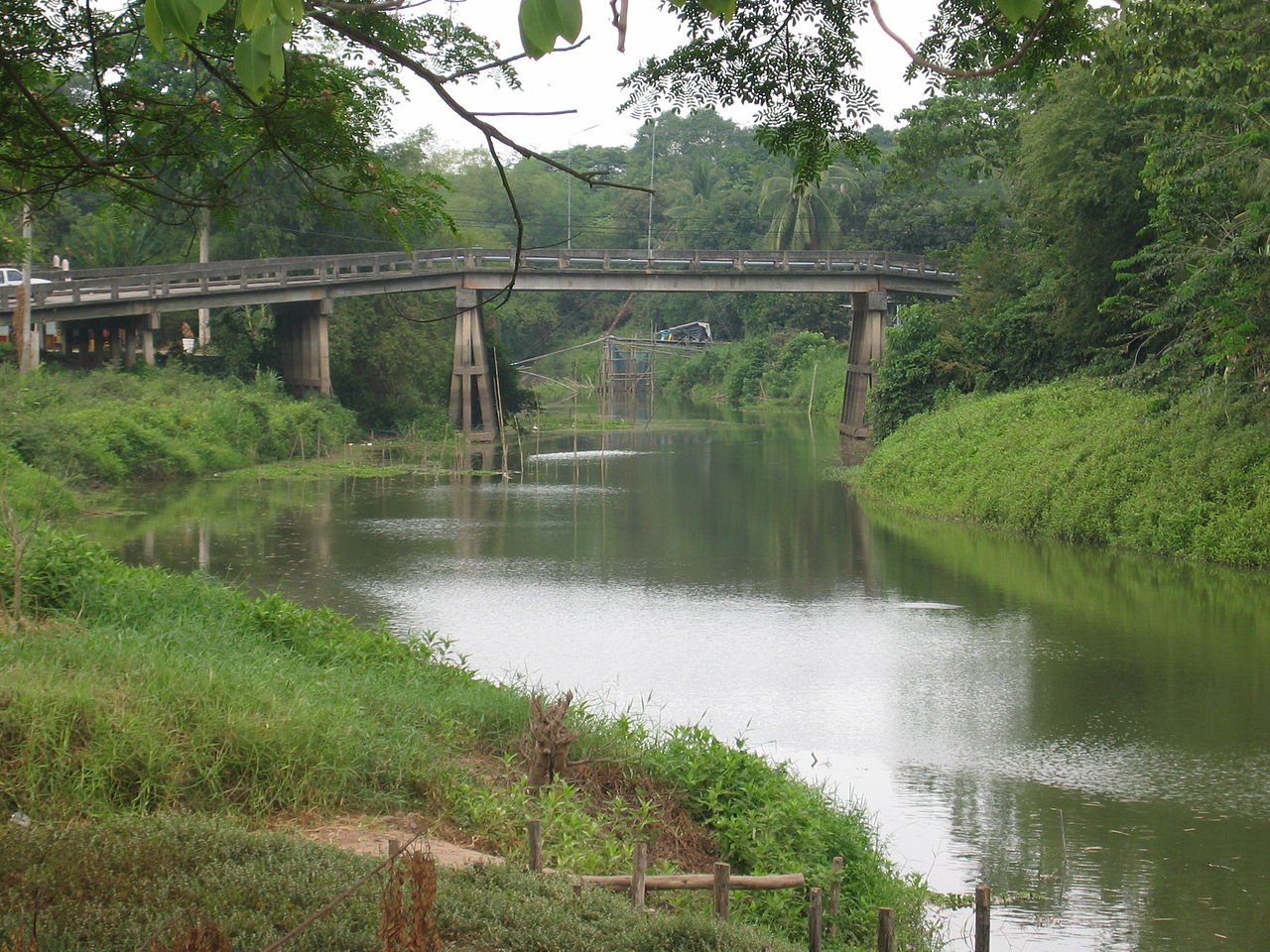
The landscape of Nakhon Nayok ranges from flat, cultivated river plains to forested hills at the edge of Thailand's eastern highlands. Several streams and the main Nakhon Nayok River drain the area, feeding reservoirs and irrigation canals. Hills and forest patches contain seasonal and year-round waterfalls that are a notable local feature.
History and development
The area has long been settled as an agricultural hinterland for the lowland kingdoms of central Thailand. Over time it evolved from rural districts serving nearby cities into an organized province with a provincial capital and municipal centers. Development has emphasized irrigation, rural infrastructure and conservation of key forested areas.
Economy and administration
The provincial economy is dominated by agriculture: rice, fruits, vegetables and other crops grown for local use and markets. Small-scale industry and services support towns and tourism. The province is administered from its capital district, Mueang Nakhon Nayok, and is subdivided into districts and subdistricts that manage local services and rural development.
Tourism and notable attractions
Nakhon Nayok attracts visitors for outdoor recreation and natural scenery. Common activities include hiking, waterfall visits, camping, and river-based activities such as rafting where conditions permit. One major infrastructure feature is the Khun Dan Prakan Chon dam and reservoir, which provides water management and a recreational area. Popular natural attractions include several cascades and forested areas that are accessible on short drives from the capital.
Distinguishing features
- Proximity to Bangkok makes it a frequent destination for weekend and day trips.
- Mix of irrigated lowlands and forested hills offers diverse habitats and scenery.
- Infrastructure projects such as large dams support both irrigation and tourism.
Nakhon Nayok combines rural Thai life with accessible natural areas, making it representative of provinces that balance agriculture, water management and outdoor recreation. For more on place names and language roots see resources linked above.
Related articles
Author
AlegsaOnline.com Nakhon Nayok province Leandro Alegsa
URL: https://en.alegsaonline.com/art/68164
Sources
- ratchakitcha.soc.go.th : พระราชบัญญัติยุบและรวมการปกครองบางจังหวัด พุทธศักราช ๒๔๘๕
- ratchakitcha.soc.go.th : พระราชบัญญัติจัดตั้งจังหวัดสมุทรปราการ จังหวัดนนทบุรี จังหวัดสมุทรสาคร และจังหวัดนครนายก พุทธศักราช ๒๔๘๙