
Nakhchivan — capital of the Nakhchivan Autonomous Republic
Nakhchivan is the historic capital of the Nakhchivan Autonomous Republic, an Azerbaijani exclave in the South Caucasus. It is an administrative, cultural and transport hub set in the Zangezur foothills.
Overview
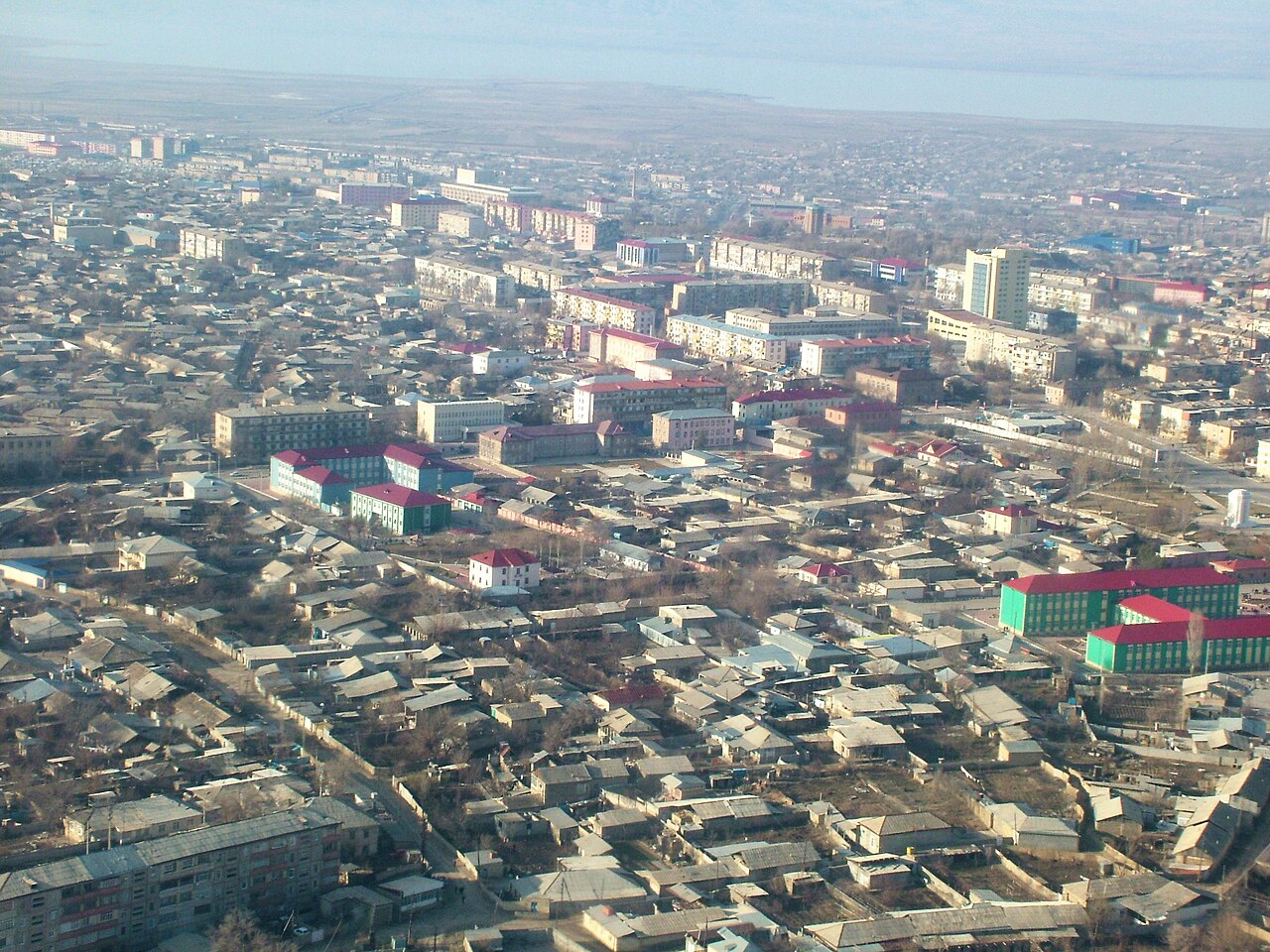
Azerbaijani: Naxçıvan is the chief city and administrative centre of the Nakhchivan Autonomous Republic, an exclave of Azerbaijan. The city lies roughly 450 km west of Baku, spread over the lower slopes of the Zangezur range on the right bank of the Nakhchivan River at an elevation near 1,000 metres. Its position on inland highlands has shaped local climate, economy and settlement patterns for centuries.
Image gallery
10 Images




Geography and urban character
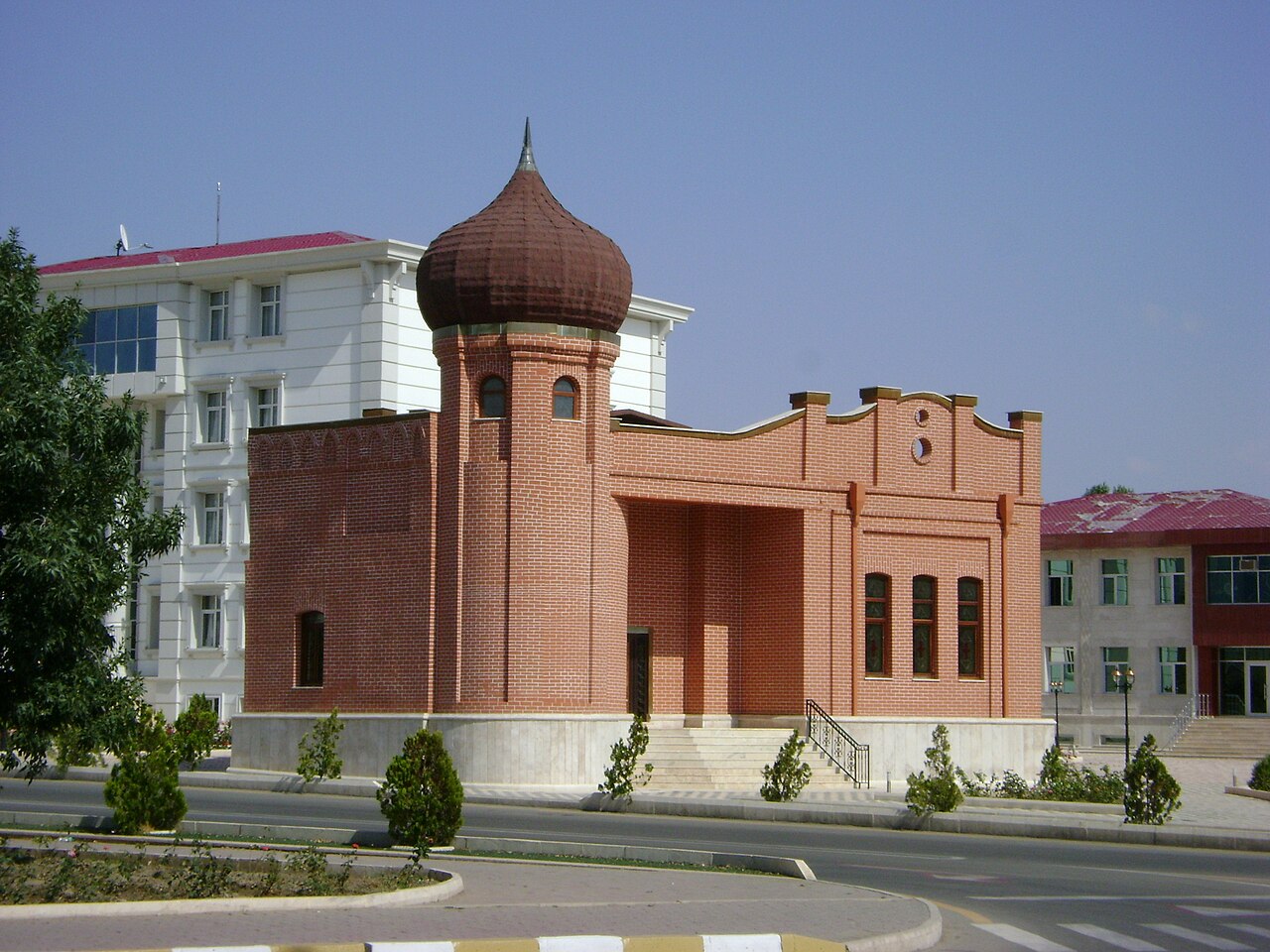
Nakhchivan occupies a compact area of foothills and river terraces. The urban fabric mixes older stone-built neighbourhoods, mosque courtyards and mausoleums with Soviet-era apartment blocks and recent civic buildings. The surrounding landscape is semi-arid, with irrigation-fed fields, orchards and mountain pastures visible from the city.
History and development
The site has been inhabited since antiquity and developed through successive regional powers in the medieval and early modern periods. It emerged as a local administrative and commercial centre, with craftsmen and religious foundations contributing to a distinctive architectural legacy. During the 19th and 20th centuries the city came under Russian imperial and Soviet administration, later becoming the capital of the autonomous republic within independent Azerbaijan.
Landmarks and culture
Notable monuments include medieval mausoleums and examples of the regional stone-carving tradition associated with the Nakhchivan school of architecture. The 12th-century Momine Khatun mausoleum and works attributed to the architect Ajami of Nakhchivan are among the most frequently cited heritage sites. The city also hosts museums, theaters and religious buildings that reflect local history and cultural life.
Economy, transport and administration
Nakhchivan functions as the political and service centre of the autonomous republic. Its economy combines public administration, education, small-scale industry, agriculture and cross-border trade where geography permits. The city is served by road links to the surrounding region and an airport that provides air connections to major destinations within the country.
Notable facts and distinctions
As an exclave capital, Nakhchivan is notable for its distinct administrative role and for preserving a concentration of regional monuments and crafts. Visitors and researchers often note the city’s layered history visible in its architecture, and its role as a local cultural hub within the broader South Caucasus context.
- Historic architecture: medieval mausoleums and mosques.
- Geographic setting: Zangezur foothills and river valley.
- Administrative role: capital of an autonomous republic.
Related articles
Author
AlegsaOnline.com Nakhchivan — capital of the Nakhchivan Autonomous Republic Leandro Alegsa
URL: https://en.alegsaonline.com/art/68163
Sources
- azstat.org : The State Statistical Committee of the Azerbaijan Republic
- capital.trendaz.com : Футзальный клуб «Араз» определился с соперниками по элитному раунду Кубка чемпионов
- uefa.com : Happy Friday night for Benfica, Puntar and Araz