
Nakahama Manjirō (John Manjiro): early Japanese seaman, interpreter, and educator
Nakahama Manjirō (1827–1898), often called John Manjiro, was one of the first Japanese to live in the United States; rescued at sea, he later returned to Japan and served as an interpreter, teacher, and cultural intermediary.
Naming note: In Japanese usage the family name comes first; his family name is Nakahama and his given name is Manjirō. He is widely known in English by the anglicized forms John Manjiro or John Mung.
Image gallery
4 Images
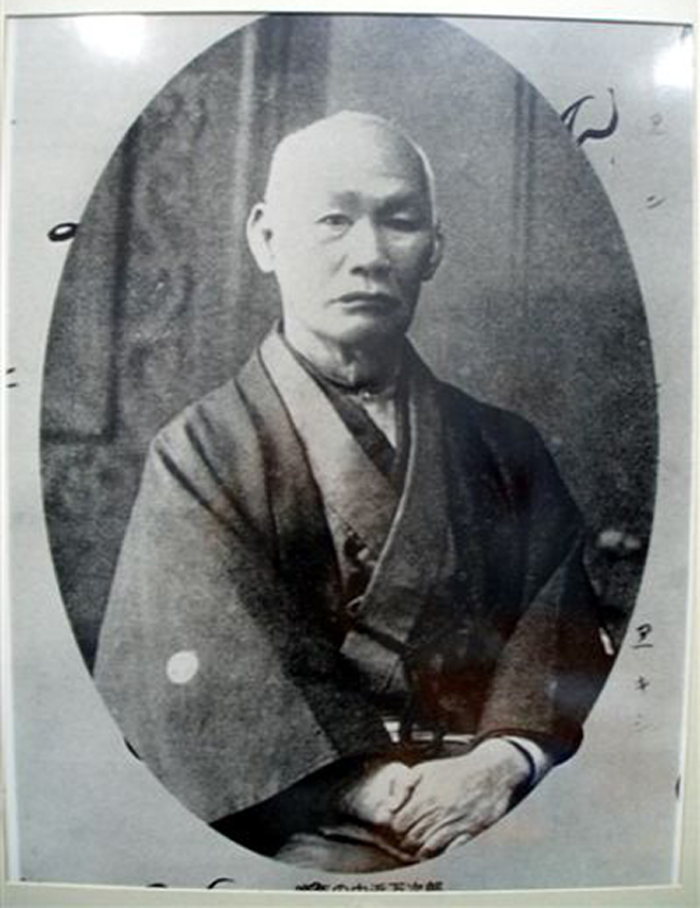


Origins and early years
Manjirō was born in 1827 in a coastal fishing community of the Tosa Domain (today part of Kōchi Prefecture). As a boy he worked on small fishing boats. While still a teenager he was shipwrecked and separated from his companions; this event set the course of his later life and cross-cultural role.
Rescue and life in America
The stranded youth was taken aboard an American whaling vessel and eventually settled with its captain in New England. His rescue by an American whaler exposed him to Western language, technology and maritime practice. He learned English, navigation and carpentry, and spent several years in the United States, living and training in a coastal town.
Return to Japan and public service
After returning to Japan, Manjirō became valuable to Japanese authorities because of his knowledge of English and Western seafaring. He served as an interpreter and instructor for the Tokugawa government during a period when Japan was ending centuries of near-isolation and beginning to engage with Western powers.
Contributions and legacy
- Sailor and navigator: he brought practical skills in shiphandling and navigation.
- Cultural intermediary: his experience bridged Japanese and American knowledge at a critical moment.
- Interpreter and translator: he assisted foreign delegations and trained others in foreign languages and techniques.
- Educator: he taught Western-style navigation and shipbuilding to Japanese students and officials.
Manjirō's story is often cited as an early example of individual exchange that helped Japan adapt to global changes in the mid-19th century. His life is commemorated in both Japan and the United States as a symbol of cross-cultural contact and practical scholarship. For brief biographical notes and local commemorations see sources linked under his name and local histories.
Further reading often treats him as one of the first Japanese residents in the United States and as a figure who helped introduce Western maritime techniques and English-language knowledge to Japan during a pivotal era in its modern history. For more context on naming and places connected to his life see Japanese name conventions and regional histories of the Tosa Domain.
Questions and answers
Q: What was the full name of Nakahama Manjirō?
A: Nakahama Manjirō's full name was Nakahama Manjiro.
Q: What was Nakahama Manjirō's occupation?
A: Nakahama Manjirō was a sailor, educator, and interpreter.
Q: What other names was Nakahama Manjirō known by?
A: Nakahama Manjirō was also known as John Manjiro or John Mung.
Q: When was Nakahama Manjirō born?
A: Nakahama Manjirō was born in 1827.
Q: When did Nakahama Manjirō die?
A: Nakahama Manjirō died in 1898.
Q: What was Nakahama Manjirō's family name?
A: Nakahama Manjirō's family name was Nakahama.
Q: What were some of Nakahama Manjirō's professions?
A: Nakahama Manjirō was a sailor, educator, and interpreter.
Related articles
Author
AlegsaOnline.com Nakahama Manjirō (John Manjiro): early Japanese seaman, interpreter, and educator Leandro Alegsa
URL: https://en.alegsaonline.com/art/68152
Sources
- commons.wikimedia.org : Nakahama Manjirō
- books.google.com : "Nakahama Manjirō"
- southcoasttoday.com : "Manjiro Festival celebrates sister cities of Fairhaven, Tosashimizu,"
- wikidata.org : wikidata.org/wiki/Q1193167
- d-nb.info : 119112272
- isni.org : 0000 0000 6675 3196
- id.loc.gov : n82246929
- id.ndl.go.jp : 00625444
- data.bibliotheken.nl : 392482827
- snaccooperative.org : w6rf979g
- idref.fr : 089492439
- viaf.org : 15572755
- worldcat.org : lccn-n82246929