
Mute (music): devices for softening and changing instrumental sound
A mute is an accessory fitted to an instrument to reduce volume and alter timbre. Used across strings, brass, woodwinds and percussion, mutes change color, aid practice, and create special effects.
A mute is a device attached to or placed inside a musical instrument to reduce its volume and modify its timbre. Mutes are used in classical, jazz, and popular music both to lower sound level for practice or performance and to produce distinctive colors and articulations. The term also appears in written music as directions such as con sordino (with mute) and senza sordino (without mute).
Image gallery
7 Images


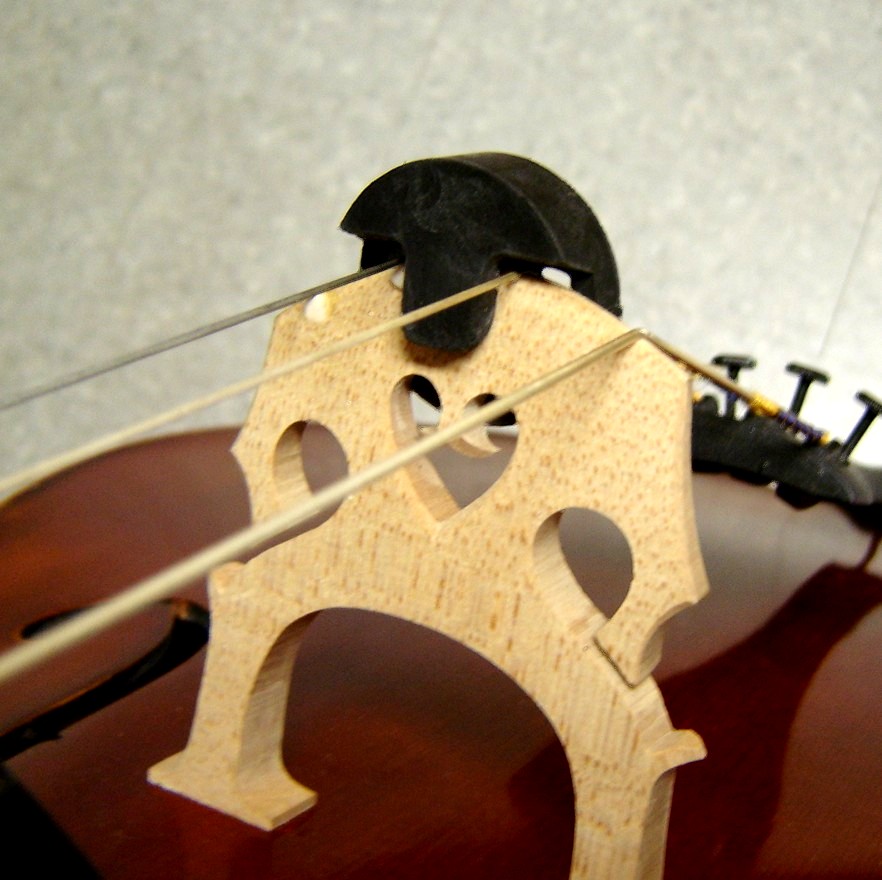

Common types and materials
Mutes come in many shapes and are made from various materials. Typical examples include:
- String mutes: small rubber, metal or wooden clips that attach to the bridge of violins, violas, cellos and double basses.
- Brass mutes: cone-shaped or cup-shaped devices inserted into the bell of trumpets, trombones and horns; varieties include straight, cup, bucket and Harmon (often associated with a buzzing, ‘‘wah-wah’’ sound).
- Practice mutes: heavier or denser versions for strings and brass that dramatically reduce volume for quiet rehearsals.
- Percussion dampers: pads, wool or felt used to deaden timpani, cymbals or mallet instruments; pianos use felt or a practice pedal to soften tone.
History and development
Using mutes dates back centuries. String players in the Baroque and Classical periods used simple attachments to vary color, while brass players adopted inserted mutes as instrument construction and orchestral writing evolved in the 18th and 19th centuries. In the 20th century jazz and studio practices led to innovations such as the Harmon mute and specialized bucket mutes for orchestral blend.
Uses, effects and notation
Mutes serve several musical roles: lowering volume for balance in ensemble settings, creating intimate or veiled timbres, producing special effects associated with genres (for example, the intimate sound of a muted trumpet in jazz), and enabling quiet practice. Composers and arrangers indicate mutes in the score—commonly with Italian terms or written cues—so performers know when to add, change or remove them.
Practical considerations include the mute’s impact on intonation and response: some designs sharpen or flatten pitch slightly and alter projection, so musicians learn to compensate by adjusting embouchure, fingerings or bowing. Mutes are one of many tools—alongside dynamics, articulation and technique—that performers use to shape tone and expression. For further general information about musical instruments and accessories see musical instrument.
Related articles
Author
AlegsaOnline.com Mute (music): devices for softening and changing instrumental sound Leandro Alegsa
URL: https://en.alegsaonline.com/art/67823