
My Bloody Valentine — history, style, and legacy of the shoegaze pioneers
Irish alternative rock band formed in Dublin in 1983, noted for their albums Isn't Anything, Loveless and m b v and for shaping the shoegaze sound with dense, effect‑laden guitars.
My Bloody Valentine are an Irish alternative rock band best known for shaping the shoegaze movement of the late 1980s and early 1990s. Formed in Dublin in 1983, the group achieved early recognition on the independent scene and later became celebrated for a radical approach to guitar sound and production. Core members associated with the band’s classic period are singer‑guitarists Kevin Shields and Bilinda Butcher, bassist Debbie Googe and drummer Colm Ó Cíosóig.
Image gallery
6 Images


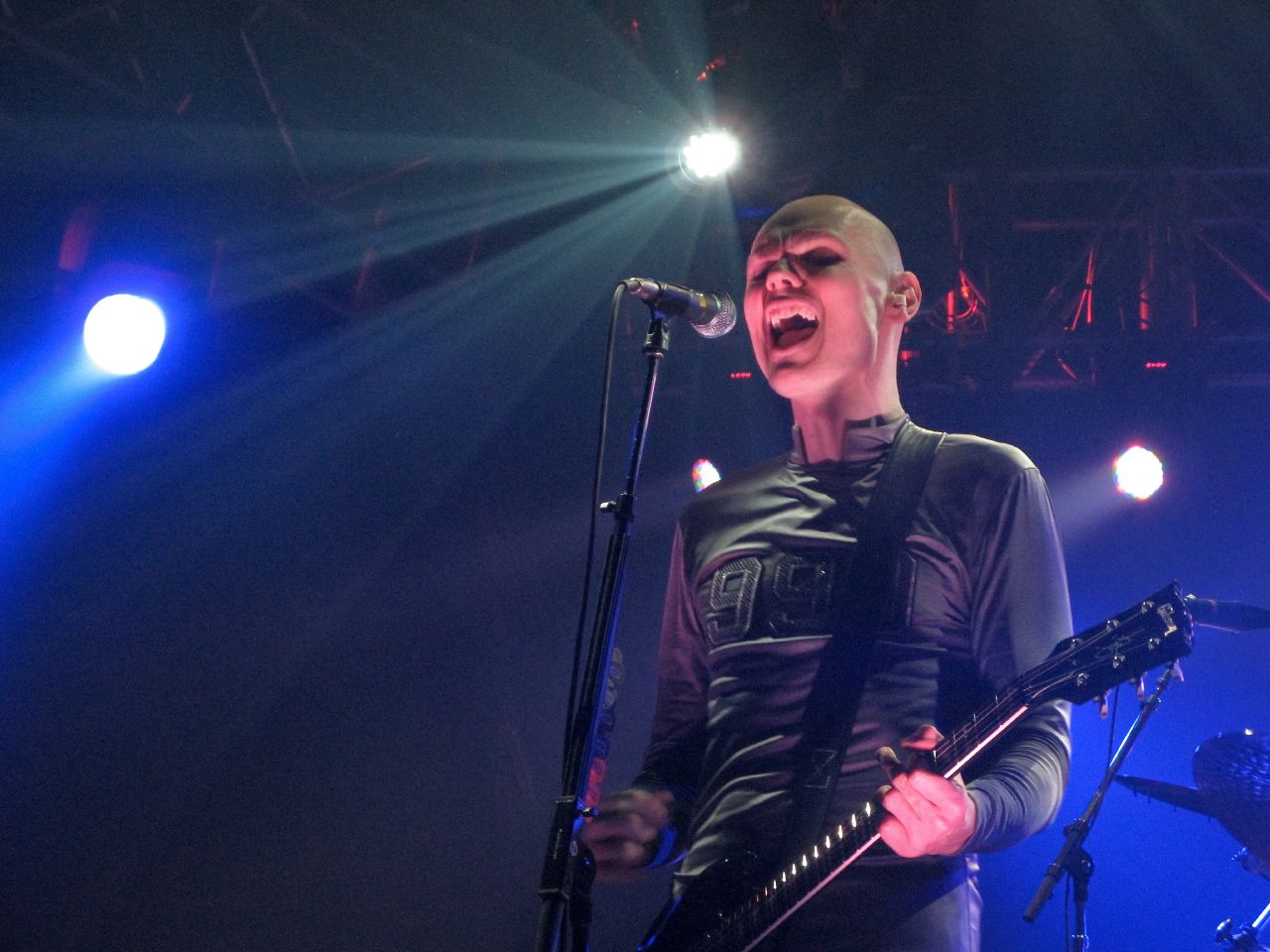


Overview and key recordings
The band's recorded output is compact but influential. Their first full-length album, Isn't Anything (1988), marked a shift away from earlier post‑punk and gothic tones toward a thicker, more textural rock. Their second album, Loveless (released in 1991), was acclaimed by critics and musicians for its dense, immersive sonics and ambitious production; sessions for that album took place over an extended period and in numerous studios. After a lengthy hiatus and an eventual split in 1997, My Bloody Valentine reunited in 2007 and finally issued a third studio album, m b v, in 2013, which was welcomed by reviewers and fans who had followed the band through its long gaps between releases.
Musical characteristics and techniques
My Bloody Valentine's sound is commonly associated with shoegaze, a style noted for blurred vocals, subdued melodies and walls of distorted, effects‑heavy guitars. Kevin Shields in particular developed distinctive playing and production methods: heavy use of tremolo, pitch bending and effects units, plus studio techniques that manipulated texture and stereo placement. The vocals — often low in the mix and treated with reverb or delay — are used as another instrument rather than the primary focal point. These choices combined to create music that emphasized atmosphere and timbre as much as conventional songcraft.
History and periods of activity
The band evolved through several lineups and stylistic phases. Early releases displayed post‑punk and gothic influences before the group moved toward the dense, effect‑driven approach that defined their best‑known work. Following the intense, costly sessions for Loveless and subsequent touring, the group stopped performing live for a time and struggled to complete a follow‑up. They disbanded in 1997 but reformed a decade later, performing internationally and eventually releasing new material. In 2012 Kevin Shields oversaw remastering of the band’s back catalogue on Creation Records and signaled renewed creative focus that culminated in the 2013 album.
Albums, reception and influence
- Isn't Anything (1988) — a breakthrough on the indie scene that introduced the band’s evolving textures.
- Loveless (1991) — widely cited as a high point in experimental rock and shoegaze; influential on subsequent generations of guitar‑oriented bands.
- m b v (2013) — a long‑awaited third album released after the band’s reunion, which received strong critical attention.
Critics praise the band for innovation in tone and studio craft; musicians across alternative, indie and experimental rock cite My Bloody Valentine as an influence on approaches to guitar layering, production and the integration of effects into composition.
Legacy and notable facts
My Bloody Valentine are often mentioned alongside other acts that helped define the shoegaze label, though the band’s inventiveness means they defy simple categorization. Notable aspects of their legacy include the radical rethinking of what a rock guitar could sound like in a studio context and the idea that production itself can be a compositional tool. For further reading and archival material, see resources and discographies available through general music databases and fan sites. Additional information and archival releases may be found via illustrations and links maintained by collectors and publishers: archive and discography, press and interviews, label and remasters and concert histories.
While their commercial catalogue is small relative to some peers, the band's reputation rests on a combination of singular studio ambition and a tone that has resonated across decades. Whether approached as part of a scene or on their own experimental terms, My Bloody Valentine remain a touchstone for artists exploring texture, dynamics and the boundary between noise and melody.
Questions and answers
Q: Who are My Bloody Valentine?
A: My Bloody Valentine is an Irish alternative rock band.
Q: When and where did the band start?
A: The band started in Dublin in 1983.
Q: How many studio albums have they released?
A: My Bloody Valentine has released three studio albums.
Q: What is their most successful album and when was it released?
A: Their most successful album is Loveless, which was released in 1991.
Q: When did the band break up and when did they reunite?
A: The band broke up in 1997 and reunited in 2007.
Q: What kind of music did the band create?
A: The band created a new style of rock music called shoegazing by using distortion, pitch bending, and digital reverb.
Q: What is the name of their third album and when was it released?
A: The name of their third album is m b v and it was released in 2013.
Related articles
Author
AlegsaOnline.com My Bloody Valentine — history, style, and legacy of the shoegaze pioneers Leandro Alegsa
URL: https://en.alegsaonline.com/art/67879
Sources
- nme.com : "International Velvet"
- allmusic.com : "My Bloody Valentine – Music Biography, Credits and Discography"
- chart-track.co.uk : "Top 75 Artist Album, Week Ending 10 May 2012"
- officialcharts.com : "My Bloody Valentine | Artist"