
Music Box (Mariah Carey album)
Third studio album by Mariah Carey, released August 31, 1993. A pop‑leaning record that produced international hits including "Dreamlover", "Hero" and a cover of "Without You".
Music Box is the third studio album by American singer Mariah Carey, released on August 31, 1993. The record marked a deliberate move toward a broader pop and adult contemporary audience while retaining elements of R&B and gospel-influenced balladry. It features some of Carey's best-known songs and helped consolidate her status as a global pop star.
Image gallery
3 Images

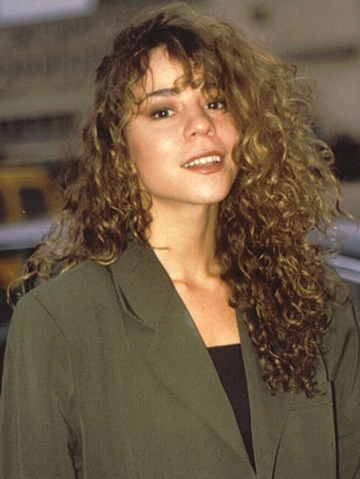
Musical style and content
The album emphasizes smooth, radio-friendly arrangements, prominent use of string sections, and a focus on melodic hooks. Vocal production highlights Carey's multi-octave range and melismatic delivery, but with simpler, more mainstream song structures than some of her earlier work. Production was led by longtime collaborator Walter Afanasieff alongside Carey and other contributors.
Notable tracks
- "Dreamlover" — an uptempo lead single that became a major hit.
- "Hero" — a widescreen ballad that became one of Carey's signature songs.
- "Without You" — a dramatic cover that achieved international success.
- "Anytime You Need a Friend" — a gospel-tinged closing single often noted for its choir-backed arrangement.
Several of these singles reached top positions on international charts, and the album produced sustained radio play across formats, from pop to adult contemporary.
Background and development: following two earlier albums that showcased her vocal acrobatics and an R&B-pop blend, Carey and her team opted on Music Box for a softer, more polished sound to increase mainstream appeal. Recording sessions emphasized accessible melodies and ballads designed for broad audiences rather than experimental vocal showcases.
Reception and legacy: contemporary critics were divided — some praised the songwriting and vocal performances, others critiqued the commercial turn — but public response was enthusiastic. The album is regarded as a commercial high point in Carey’s early career and helped produce songs that remain staples in her catalogue and in pop-ballad repertoires. "Hero" in particular has been used widely at benefit events and covers, cementing its place as a notable pop ballad of the 1990s.
Related articles
Author
AlegsaOnline.com Music Box (Mariah Carey album) Leandro Alegsa
URL: https://en.alegsaonline.com/art/67736
Sources
- australian-charts.com : "Mariah Carey – Music Box"
- austriancharts.at : "Mariah Carey – Music Box"
- ultratop.be : "Mariah Carey – Music Box"
- collectionscanada.gc.ca : "RPM – Top Albums/CDs – Volume 59"
- dutchcharts.nl : "Mariah Carey – Music Box"
- chartsinfrance.net : "Classement officiel des ventes d'albums en France"
- mahasz.hu : "Top 40 album- és válogatáslemez- lista – Slágerlisták"
- fimi.it : "Federazione Industria Musicale Italiana"
- riaj.or.jp : "ゴールドディスク大賞受賞者一覧"
- charts.org.nz : "Mariah Carey – Music Box"
- norwegiancharts.com : "Mariah Carey – Music Box"
- swedishcharts.com : "Mariah Carey – Music Box"
- hitparade.ch : "Mariah Carey – Music Box – hitparade.ch"
- theofficialcharts.com : "TOP 40 OFFICIAL UK ALBUMS ARCHIVE – September 11, 1993"
- billboard.com : "Billboard 200 – Week of December 25, 1993"