
My Cherie Amour (album)
My Cherie Amour is Stevie Wonder's eleventh studio album, released on Tamla in August 1969. It includes the enduring title single and marks his transition from teen star toward more mature songwriting and production.
My Cherie Amour is the eleventh studio album by American singer-songwriter Stevie Wonder. The record was issued on the Tamla label on August 29, 1969; the title song became the album's best-known single and remains an emblematic ballad from the late 1960s. This release stands between Wonder's earlier Motown-era pop work and the creative breakthrough that would follow in the 1970s. The album is identified in discographies and artist listings such as artist pages and catalog notes online.
Image gallery
1 Image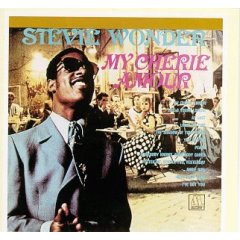
Musical style and content
The album mixes original compositions with contemporary covers and showcases arrangements typical of the Motown sound: tight rhythm sections, melodic bass lines, and polished vocal production. Lyrically the material centers on love and longing, with the title track standing out for its romantic lyric and memorable melody. Instrumentation combines electric and acoustic elements, and the production features orchestral touches that were commonly used to give singles a broader radio appeal.
Recording, release and context
Recorded in the late 1960s, the album was released by Tamla/Motown during a period when Wonder was transitioning from child prodigy to a mature performer and songwriter. While still associated with Motown's team-driven production, the work hints at the increased creative control he would seek in the following years. The album's commercial release is documented through music-label catalogs and contemporary press notices from the time.
Within the broader Motown catalogue, My Cherie Amour occupies a role as both a popular single collection and a stepping stone toward Wonder's more experimental and self-directed projects of the 1970s. It was his only studio album released in 1969; the next two albums issued in 1970 were live recordings, reflecting a busy and transitional period in his career.
Reception and legacy
Contemporary reviewers and later retrospectives have appreciated the album for the strength of its title single and for the quality of Wonder's vocal performances. Although not typically counted among his fully autonomous masterpieces, it helped sustain his profile and radio presence and contributed songs that continued to receive airplay. The record remains of interest to listeners tracing the arc from Motown-era pop toward the artist's later critically acclaimed work.
Notable facts
- The title song, often identified as the album's highlight, has become part of the wider popular-song repertoire and is frequently anthologized.
- The album was released on the Tamla imprint of Motown; collectors and catalogers refer to that label when citing the original pressing information.
- It captures an artist in his late teens moving toward greater musical maturity and experimentation.
For listeners and students of popular music history, My Cherie Amour offers a snapshot of late-1960s soul and pop production and a clear signpost on Stevie Wonder's path from a Motown teen star to a pioneering singer-songwriter-producer in the 1970s.
Questions and answers
Q: Who is the artist that created the album My Cherie Amour?
A: The album My Cherie Amour is created by American singer-songwriter Stevie Wonder.
Q: When was the album My Cherie Amour released?
A: The album My Cherie Amour was released on August 29, 1969, on the Tamla label.
Q: Is My Cherie Amour the only album that Stevie Wonder released in 1969?
A: Yes, My Cherie Amour was the only album that Stevie Wonder released in 1969.
Q: Were the next two albums released after My Cherie Amour recorded live?
A: Yes, the next two albums released after My Cherie Amour were recorded live.
Q: What is the name of Stevie Wonder's eleventh studio album?
A: The name of Stevie Wonder's eleventh studio album is My Cherie Amour.
Q: What type of music does Stevie Wonder create?
A: Stevie Wonder is a singer-songwriter who creates various genres of music like soul, funk, R&B, pop, and jazz.
Q: What was the record label that released the album My Cherie Amour?
A: The album My Cherie Amour was released on the Tamla label.
Related articles
Author
AlegsaOnline.com My Cherie Amour (album) Leandro Alegsa
URL: https://en.alegsaonline.com/art/67886
Sources
- allmusic.com : "Stevie Wonder > Album Discography > AllMusic"