
Muşeniţa — commune in Suceava County, Romania
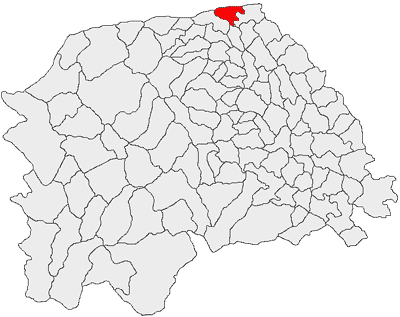
Muşeniţa is a rural commune in Suceava County, in the historical region of Bukovina. The article covers its location, landscape, history, economy, cultural features and practical notes for visitors.
Overview
Muşeniţa is a rural administrative commune in Suceava County, located in the northern part of Romania. It belongs to the broader historic region known as Bukovina and functions as a local centre for surrounding villages and farmland. As a Romanian commune, it is governed by a mayor and local council and combines residential settlements with agricultural and natural areas.
Image gallery
7 Images


Geography and environment
The commune occupies a landscape typical of northern Moldavia: mixed farmland, patches of deciduous forest and low hills that give way to larger mountainous areas further west. Rivers and streams cross the territory, supporting small-scale agriculture and ecosystems of local interest. The climate is temperate continental with distinct seasons, making the area suitable for crop growing, orchards and pastures.
History and cultural background
Muşeniţa shares the historical influences common to Bukovina: multicultural influences from Romanian, Ukrainian and Central European traditions. Over the last two centuries the area experienced administrative changes that mirror the region’s broader history. Local cultural life has been shaped by Orthodox Christianity, vernacular architecture and traditional farming customs preserved in village life.
Economy and local life
The local economy is predominantly rural. Smallholder agriculture, animal husbandry, forestry and related trades form the economic base. In recent years, rural tourism and small-scale agro-tourism have been promoted to diversify incomes. Residents often engage in seasonal work and craft activities connected to local traditions.
Landmarks, culture and activities
Muşeniţa and its environs are characterized by village churches, traditional wooden houses and countryside routes suited to walking and cycling. Local events tend to follow agricultural and religious calendars: harvest celebrations, patron-saint days and folk customs. Visitors can encounter traditional cuisine and handicrafts typical of Bukovina.
Administration, access and practical information
The commune is reachable by county roads from larger towns; public transport is limited and most visitors arrive by car or regional bus services. Local administration provides basic services, and development projects often focus on improving infrastructure and preserving cultural heritage. For practical arrangements, travelers should check schedules and local contacts in advance.
Notable considerations
- Conservation of vernacular architecture and rural landscapes is a local priority.
- Cross-border cultural ties and regional cooperation feature in community initiatives.
- Visitors seeking an authentic rural experience will find traditional lifestyles and quiet natural settings.
Related articles
Author
AlegsaOnline.com Muşeniţa — commune in Suceava County, Romania Leandro Alegsa
URL: https://en.alegsaonline.com/art/67715