
Acetone peroxide (APEX): properties, hazards, and forensic significance
Acetone peroxide (APEX) is a highly sensitive organic peroxide explosive. This entry summarizes its forms, hazards, forensic relevance, legal status, and safety considerations.
Acetone peroxide, commonly abbreviated APEX and most often encountered as the trimeric form, is an organic peroxide noted for extreme sensitivity and explosive capability. It belongs to the class of peroxides, compounds that contain weak oxygen–oxygen bonds, which account for their energetic and unstable character. In scientific and forensic contexts the compound is referenced in several oligomeric forms, most commonly the trimer and less often the dimer.
Image gallery
4 Images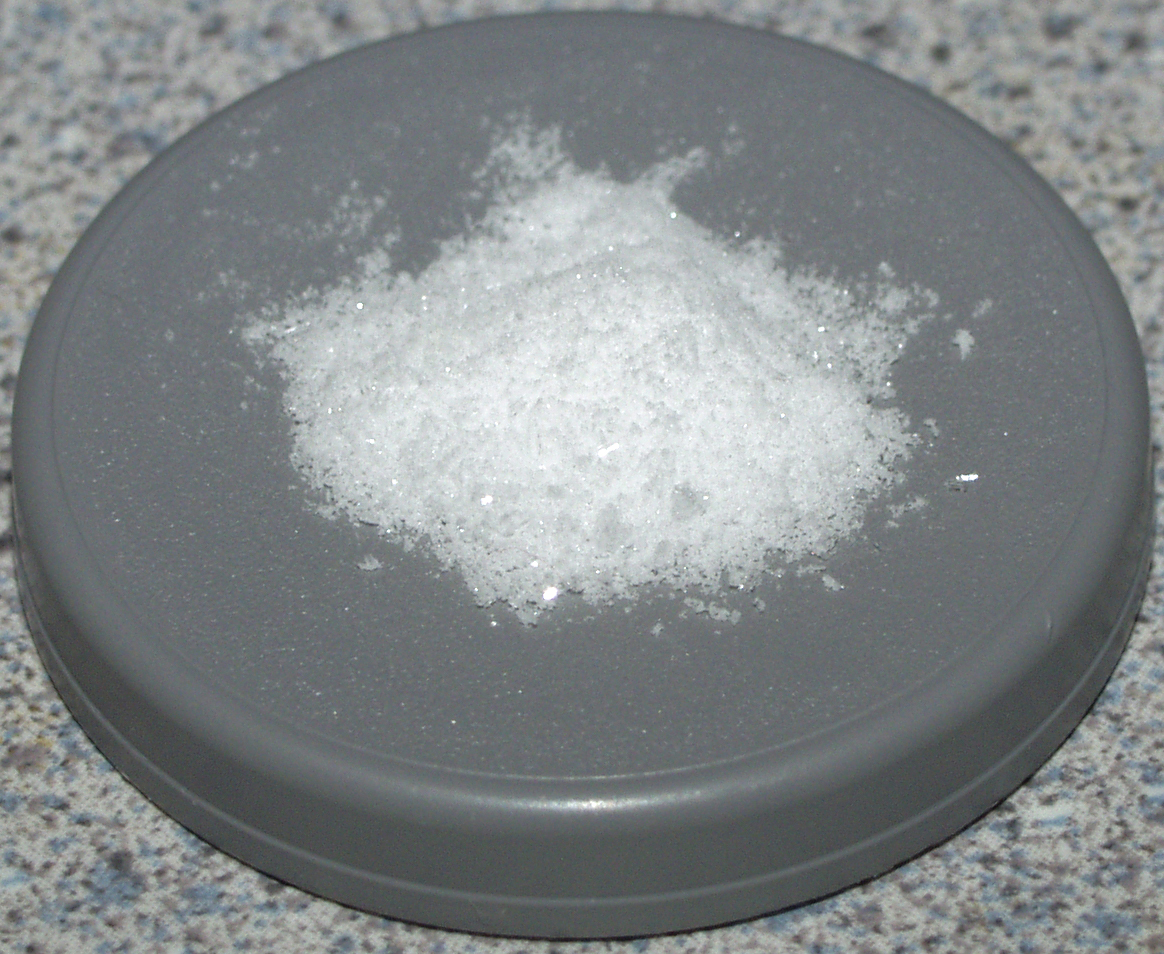


Characteristics and hazards
As typically described in reports, acetone peroxide forms a white crystalline or powdery material that is highly sensitive to mechanical shock, friction, heat and contamination. These sensitivities make handling and storage especially dangerous: accidental detonation can cause severe injury and structural damage. The substance is chemically unstable and can become more unpredictable as it ages or if it is contaminated.
History and forensic relevance
First documented in the historical chemical literature during the 19th century, acetone peroxide later became prominent in forensic and security discussions because it can be produced from common organic compounds and because it does not contain nitrogen. The absence of nitrogen affects some common explosive-detection technologies and has led to targeted research on alternative screening and analytical approaches. Forensic laboratories and security agencies employ specialized analytical methods and trained canine units to detect and identify trace residues after incidents.
Legal status and safety guidance
There are no broadly accepted legitimate civilian uses for acetone peroxide; many jurisdictions regulate or prohibit its manufacture and possession because of the clear public-safety risk. Public safety guidance recommends that untrained individuals should never attempt to make, test or move suspected peroxides. If a suspicious material is encountered, the appropriate action is to evacuate the area and contact emergency services or law enforcement rather than attempting to handle the material.
Notable distinctions and facts
- Forms: the trimeric form is most often cited in public reports, while other oligomers differ in stability and appearance.
- Detection: because it lacks nitrogen, acetone peroxide can present challenges for detection systems that target nitrogen-rich explosives.
- Usage: it has no established industrial or commercial applications and is principally a subject of forensic and counterterrorism concern.
For authoritative safety recommendations and technical background consult recognized regulatory or forensic sources: official guidance and resources.
Related articles
Author
AlegsaOnline.com Acetone peroxide (APEX): properties, hazards, and forensic significance Leandro Alegsa
URL: https://en.alegsaonline.com/art/676