
Muharraq — Bahraini island city, former capital and cultural center
Muharraq is a historic city on Muharraq Island in Bahrain, known for its old town, pearling heritage, Bahrain International Airport, traditional souq, and Muharraq Club football team.
Overview
Muharraq (literally "place of ashes") sits on Muharraq Island immediately northeast of Manama and is the third largest city in Bahrain. For centuries it served as a principal urban and commercial center and was the kingdom's capital until 1923, when administrative functions shifted to Manama. Today Muharraq combines living traditional neighbourhoods, cultural institutions and busy transport links, including Bahrain International Airport.
Image gallery
10 Images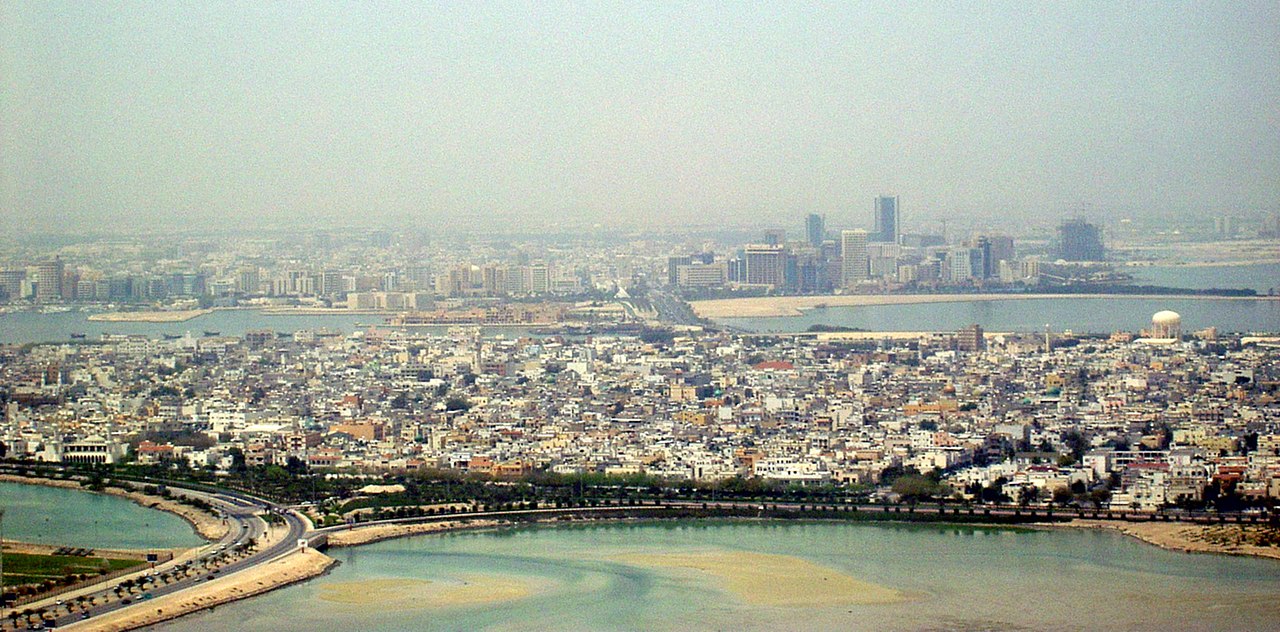



Geography and transport
The city occupies much of Muharraq Island, connected to Bahrain's main island by causeways. Bahrain International Airport is located on the island, making Muharraq the usual entry point for visitors and a base for aviation-related businesses. The flag carrier Gulf Air maintains significant operations in the area.
History and heritage
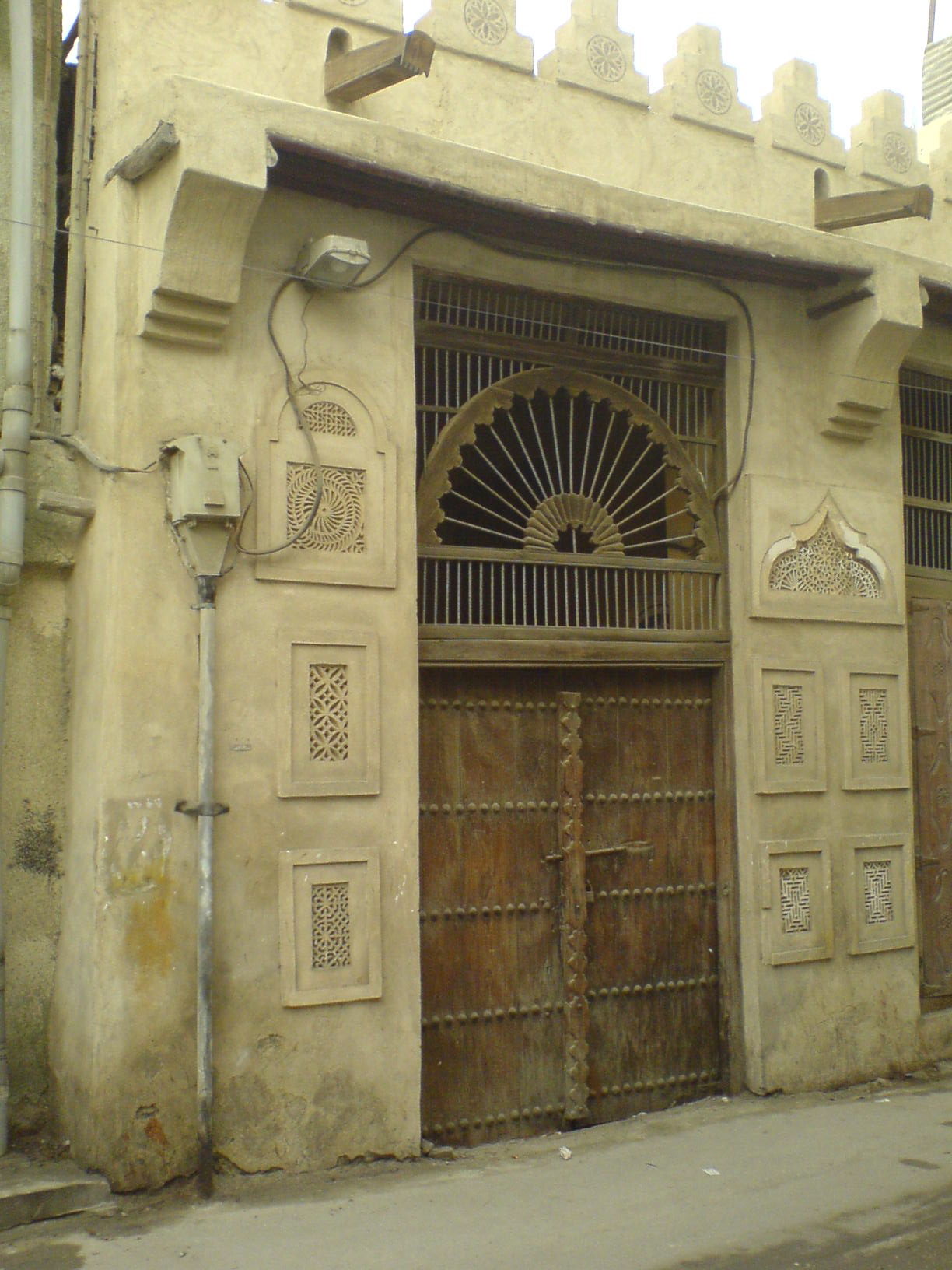
Muharraq has a long mercantile and maritime history tied to pearl diving, trade and boatbuilding. Its compact old town preserves narrow lanes, courtyard houses built of coral and gypsum, and ornate merchant residences. The city's pearling sites and related urban fabric form part of the region's recognized cultural heritage and are linked to the broader narrative of Bahrain's traditional economy.
Culture, markets and sports
The city's souq remains an active marketplace where trade in fabrics, spices, gold and household goods continues alongside modern shops; the traditional market spirit is still visible amid renovations and conservation projects. Muharraq is also an important center for Bahraini music and performance traditions—several well-known singers and artists have roots there. Sport is prominent: Muharraq Club is one of Bahrain's most successful football teams and a focal point for local pride.
Landmarks and significance
- Historic Muharraq Old Town with restored merchant houses and traditional architecture.
- Pearling-related sites that contribute to Bahrain's heritage narrative.
- Busy souq area offering a mix of traditional crafts and everyday commerce (souq).
- Bahrain International Airport and aviation facilities influencing the island's economy.
Visitors to Muharraq can explore compact streets that reveal everyday life and historical layers, from maritime commerce to modern urban developments. While close to the capital's business districts, Muharraq retains a distinct identity rooted in craft, music and seafaring traditions.
For further reading on Bahrain's cities and cultural sites, consult regional guides and official cultural heritage resources.
Related articles
Author
AlegsaOnline.com Muharraq — Bahraini island city, former capital and cultural center Leandro Alegsa
URL: https://en.alegsaonline.com/art/67383
Sources
- looklex.com : looklex.com/e.o/muharraq.htm
- gulf-daily-news.com : 'It's business as usual' at Gulf Air
- bahrainair.net : HQ Map
- bahrainair.net : image