
Mpumalanga (South Africa): geography, history, economy and attractions
Mpumalanga is an eastern South African province whose name means 'where the sun rises'. Known for Kruger National Park, dramatic escarpments, agriculture, coal mining and diverse cultures.
Mpumalanga is a province in the eastern part of South Africa. Its name, from a Nguni language, is commonly translated as "where the sun rises" and reflects its position on the country's eastern frontier. The provincial capital is Mbombela. Mpumalanga shares borders with neighboring countries to the east and has long been an important corridor for trade, wildlife tourism and natural resources.
Image gallery
10 Images


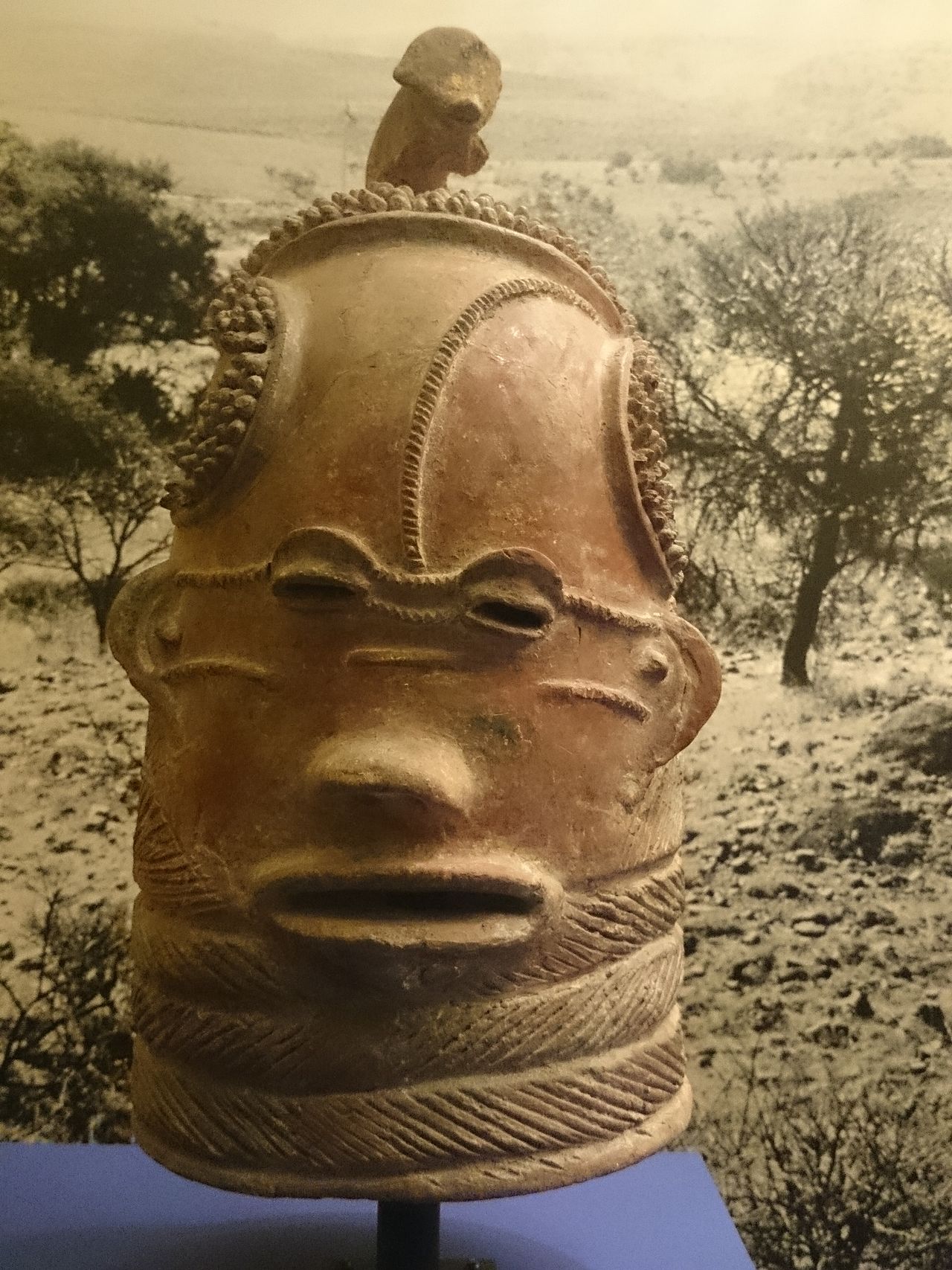

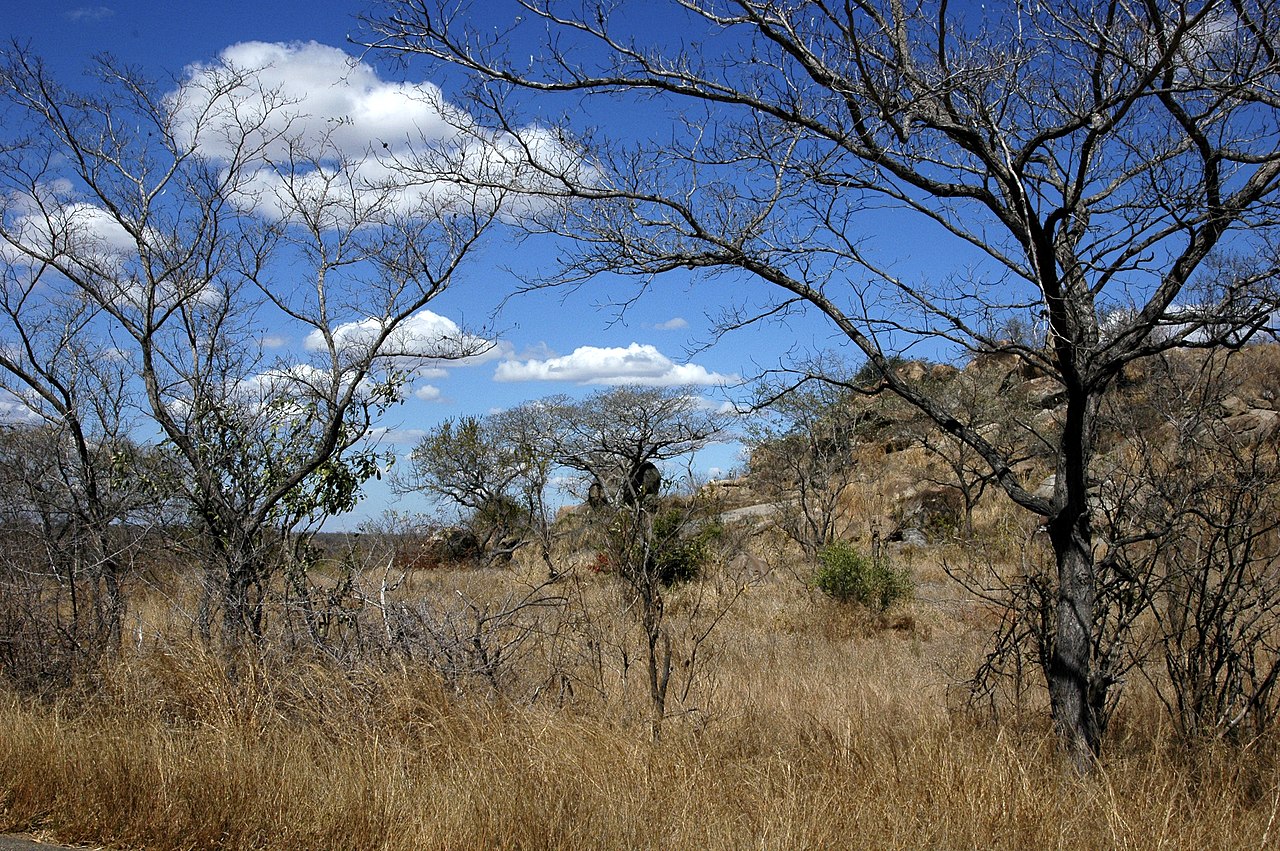


Landscape and environment
The province extends from high-altitude grasslands and escarpments down into low-lying savanna. Its varied topography includes dramatic cliffs, river gorges and subtropical lowlands. Large protected areas and private reserves preserve habitats for African megafauna and support a major tourism industry focused on game viewing and scenic drives.
History and administration
The territory now administered as Mpumalanga has a long indigenous history and later formed part of colonial and republican entities in the region. After the end of apartheid and the reorganisation of South Africa's provinces, the area was established as a modern province with its own provincial government and administrative capital. Traditional communities, urban centres and agricultural towns shape its civic life.
Economy and infrastructure
Mpumalanga's economy combines agriculture, forestry, mining and tourism. Sugarcane and subtropical fruit are grown in the lowveld while commercial forestry and coal extraction occur elsewhere. The province also contains transport links that serve inland trade routes and access to the Mozambican coast.
- Key sectors: tourism, agriculture, forestry, coal mining
- Transport: road and rail corridors to eastern ports
Culture, languages and people
The population is multilingual and culturally diverse. Several Bantu languages are widely spoken alongside Afrikaans and English. Local traditions, crafts and festivals contribute to a living cultural landscape that visitors and researchers find compelling.
Attractions and significance
Mpumalanga is best known internationally for wildlife reserves and scenic sites. Notable places include the Kruger National Park and parts of the Panorama Route with features such as canyons, waterfalls and distinctive rock formations. These draw domestic and international visitors and support conservation and hospitality industries.
For official information and visitor guidance see the provincial page: Mpumalanga provincial information.
Related articles
Author
AlegsaOnline.com Mpumalanga (South Africa): geography, history, economy and attractions Leandro Alegsa
URL: https://en.alegsaonline.com/art/67245
Sources
- statssa.gov.za : Census 2011: Census in brief · web.archive.org
- statssa.gov.za : "Mid-year population estimates, 2018"
- timeslive.co.za : Three dead‚ 20 injured in accident on N12 in Mpumalanga
- bbc.co.uk : South Africa shock over bus collision in Mpumalanga -
- bbc.com : South Africa coffin case: White farmers convicted -