
Moux, Aude — small commune in Occitanie, southern France
Moux is a small French commune in the Aude department of Occitanie. Known for its rural character and ties to regional Occitan culture, it had about 701 inhabitants in 2017.
Overview
Moux is a commune in the south of France with a largely rural character and a small population: about 701 inhabitants recorded in 2017. It lies within the modern administrative region of Occitanie, a territorial unit created in 2016 when the former regions of Languedoc-Roussillon and Midi-Pyrénées were merged. The area shares the cultural and linguistic heritage of Occitania and forms part of the broader landscape of southern French communes.
Image gallery
1 Image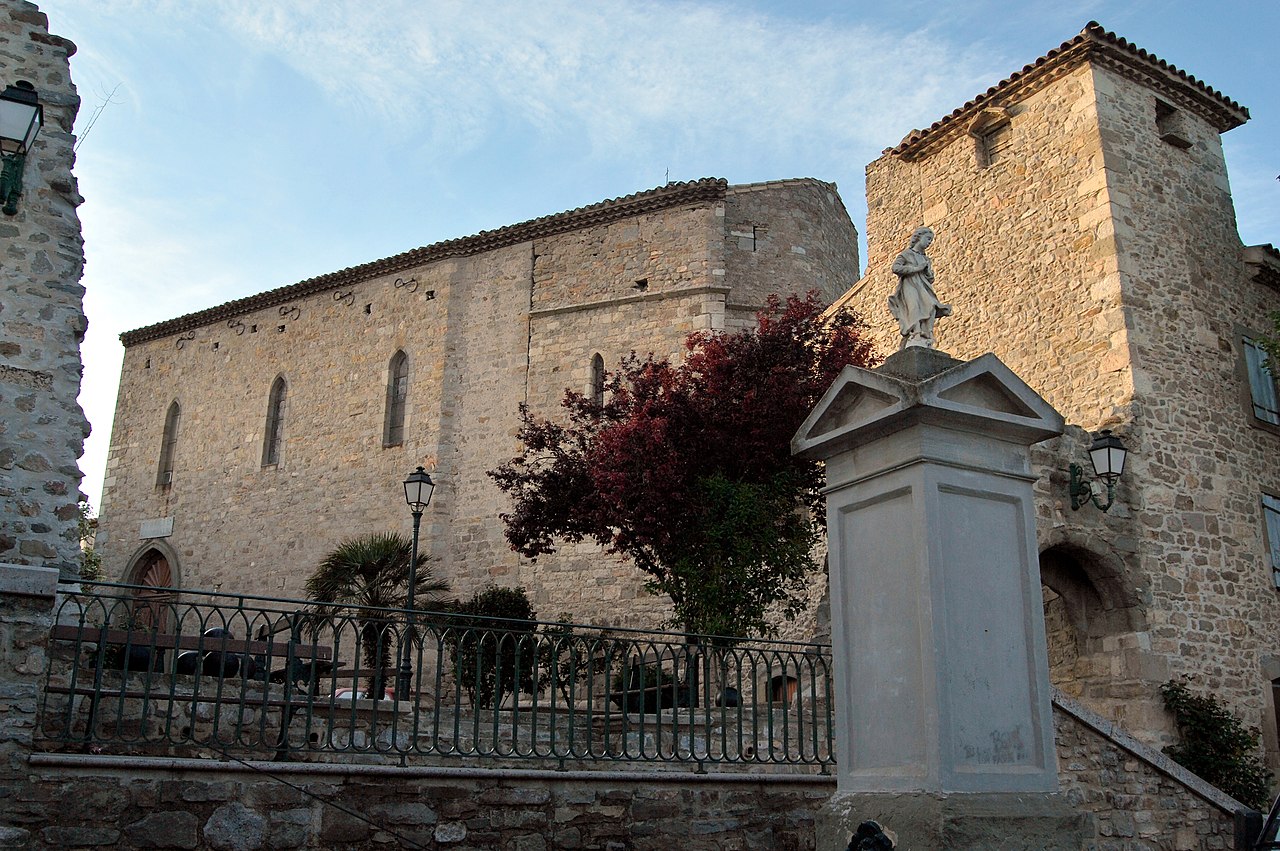
Geography and administration
Moux is located in the Aude department, an administrative division known for diverse terrain from coastal plains to rolling hills and vineyards. As a French commune it functions as the smallest unit of local government, administered by a mayor and municipal council and participating in intercommunal structures common to the department and region. The department itself is one of the many that make up the country of France, and Moux reflects typical rural settlement patterns found across the area.
History and cultural context
Like many hamlets and villages in this part of France, Moux developed around agricultural activities and local trade routes. The region preserves traces of Occitan linguistic and cultural traditions, and the surrounding department contains many medieval and Romanesque sites associated with the historical Languedoc. While Moux is not broadly known for a major landmark, it participates in the cultural landscape of Aude, where rural heritage, historic architecture and local festivals remain important to community life.
Economy, land use and tourism
The local economy of small communes such as Moux tends to center on agriculture, viticulture and services for residents and visitors. The Aude department is part of a larger wine-producing area, and rural tourism — including walking, tasting local produce and exploring nearby historical sites — supports local businesses. Residents typically rely on nearby towns and regional transport links for wider services and employment.
Notable facts and distinctions
- Moux is one of many small communes that illustrate France's decentralized local governance and long rural traditions.
- Population size (about 701 in 2017) places it among the smaller communities in the region.
- The commune sits within Occitanie and the Aude department, both notable for their historical landscapes and cultural heritage in southern France.
For concise administrative or demographic details one can consult departmental and regional sources or municipal records that summarize population figures, civic services and local events.
Related articles
Author
AlegsaOnline.com Moux, Aude — small commune in Occitanie, southern France Leandro Alegsa
URL: https://en.alegsaonline.com/art/67183