
Mouthparts: structures, types, and roles in animal feeding
A concise overview of animal mouthparts: types, components, evolution, and ecological significance across major animal groups.
Overview
In animal biology the term mouthparts refers to the collection of structures that surround the opening of the alimentary canal and are used to obtain, manipulate or process food. The study of these organs is central to zoology because feeding structures reflect diet, behaviour and ecological relationships. Most animals have specialized mouthparts; notable exceptions are organisms that absorb nutrients across their outer surface or live by simple diffusion through the epidermis.
Image gallery
7 Images

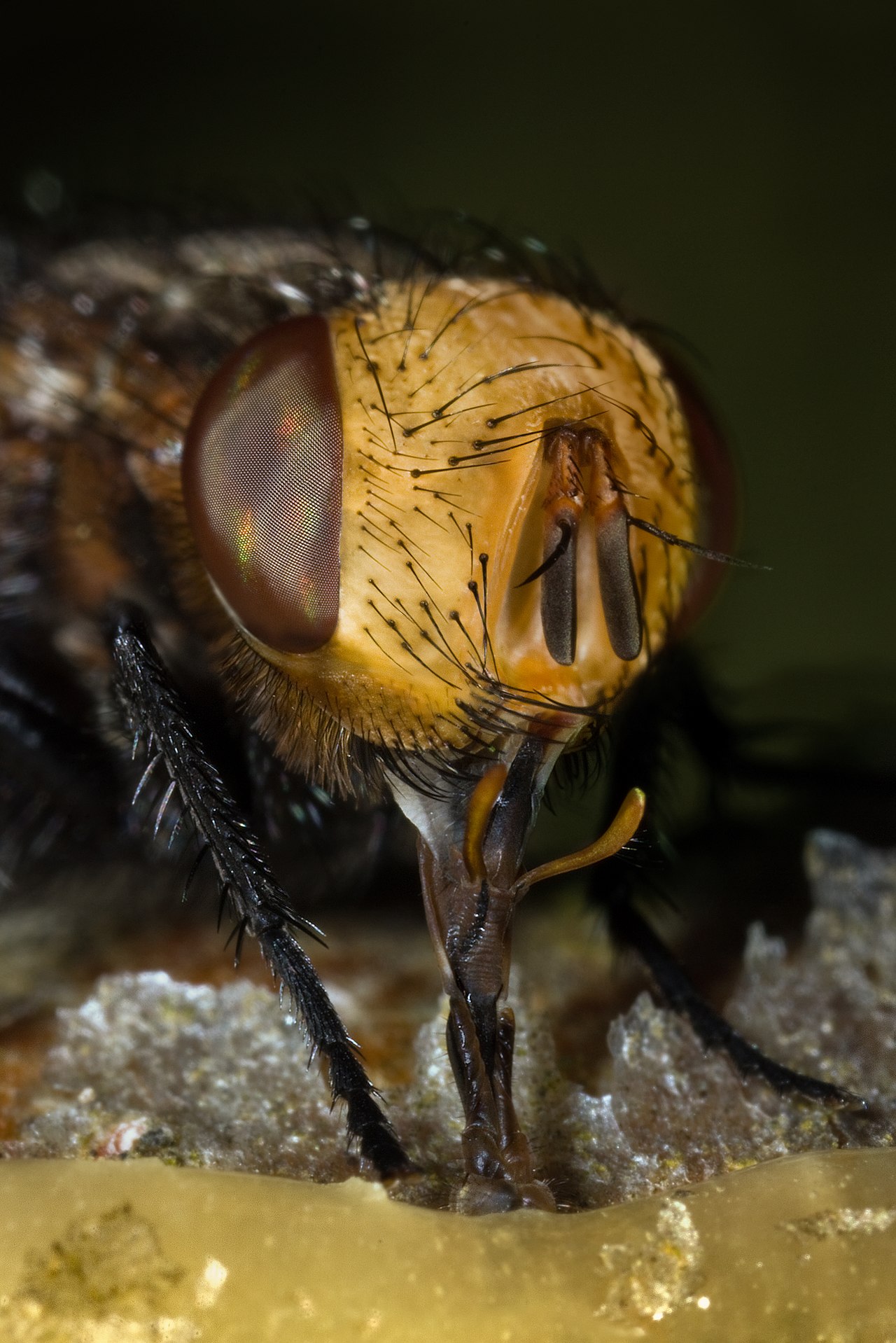


Main types and feeding strategies
Across the animal kingdom mouthparts are adapted for several broad strategies. Some examples are:
- Chewing: grinding or slicing food with hard structures such as mandibles or teeth.
- Sucking and siphoning: drawing liquid food through a tube-like proboscis or tongue.
- Piercing and sucking: puncturing tissue and extracting fluids, common in many insects.
- Sponging and lapping: soaking up liquids with absorbent surfaces or tongues.
- Dissolving and external digestion: secreting enzymes to break down food before ingestion (dissolving strategies).
- Filtering: sieving small food particles from water with comb-like structures.
Typical components by animal group
Mouthparts vary dramatically by lineage. In arthropods (insects, crustaceans) common elements include mandibles, maxillae, labrum and labium, and highly modified proboscises in butterflies. Vertebrates rely largely on jaws, teeth and muscular tongues; birds replace teeth with keratinous beaks. Molluscs often use a rasping radula to scrape food. Simpler animals—cnidarians, some worms—use tentacles, muscular pharynges or ciliated grooves rather than discrete jaws.
Evolution and functional importance
Mouthpart diversity is a prime example of evolutionary adaptation: changes in feeding anatomy can open new ecological niches and promote speciation. For instance, the wide variety of insect mouthparts underlies many pollination and herbivory relationships, while differences in vertebrate dentition reflect diets from carnivory to herbivory to omnivory. Functional trade-offs—strength versus finesse, fluid uptake versus solid processing—shape morphological outcomes.
Applications, examples and notable facts
Understanding mouthparts informs agriculture, pest control and conservation. Identifying an insect's feeding apparatus can predict crop damage or pollination roles. Fossilized mouthparts and teeth also provide key clues about ancient diets and environments. Comparative study highlights convergent evolution: unrelated groups sometimes evolve similar feeding tools when occupying similar niches.
For further reading on anatomical terms and classification see resources in general zoology and comparative morphology: zoology overview, digestive anatomy, and materials addressing absorption and skin-based feeding (absorption, epidermis). Practical guides to insect mouthparts and feeding behavior may use the term dissolving to describe external digestive strategies.
Related articles
Author
AlegsaOnline.com Mouthparts: structures, types, and roles in animal feeding Leandro Alegsa
URL: https://en.alegsaonline.com/art/67174