
Mourning
Mourning is the social and psychological process that follows a significant loss—especially death—encompassing emotions, rituals, cultural customs, and coping practices.
Not to be confused with morning. Mourning refers to the set of emotional responses, social practices and rituals that people (and some animals) use to acknowledge and adapt to loss. It is most commonly associated with death and funerals, but similar processes arise after divorce, the end of a job, loss of health, or other important separations. For a related topic see a different meaning of morning.
Image gallery
10 Images
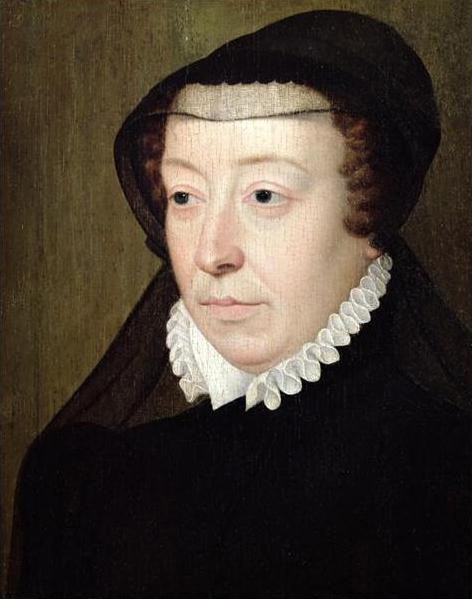


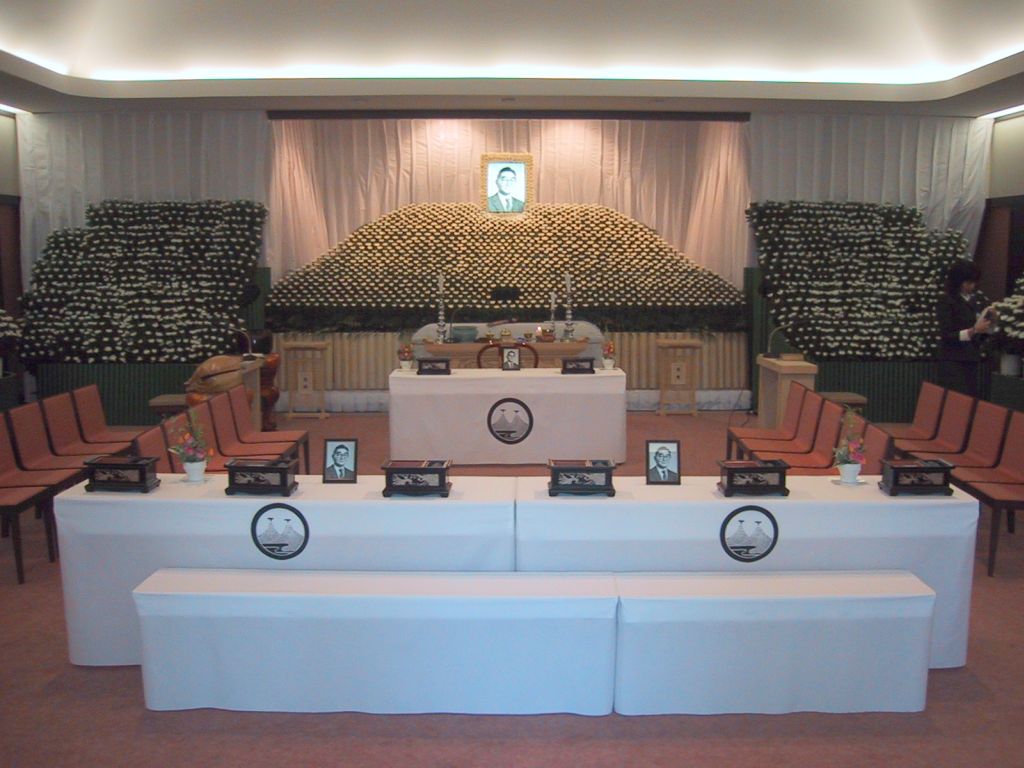


Overview
Mourning describes outward expressions and organized behaviors that accompany the private experience of grief. Grief is the personal, internal reaction—thoughts, feelings and memories—while mourning tends to be the public, culturally guided response: memorials, wakes, wearing specific clothes, or following prescribed periods of remembrance. Both are part of adjusting to a changed reality after loss.
Common characteristics
People’s experiences of mourning vary widely, but common features include emotional responses such as sadness and longing, practical arrangements like funerals or memorials, and social elements such as support from family and community. Some commonly described aspects are:
- Emotions: sadness, anger, guilt, relief, numbness and yearning.
- Behaviors: crying, story-telling, creating memorials, attending ceremonies.
- Rituals and symbols: flowers, candles, periods of silence, or traditional clothing such as black attire in some cultures.
- Temporal patterns: immediate acute distress often gives way to a longer, less intense period of adaptation.
History and cultural variation
Cultural norms shape how mourning is expressed. In many societies there are formal rites—funerals, wakes, mourning periods or commemorative days—that help structure grief and signal communal support. Historical practices have included prescribed dress and public displays; for example, strict mourning customs were common in some earlier eras. Modern practices continue to evolve, with more diverse and individualized memorial forms alongside traditional ceremonies. For more on ceremonies and funerary practice see funeral customs.
Non-death losses and animals
Mourning is not limited to loss by death. People commonly mourn the loss of relationships, jobs, fertility, or mobility—losses sometimes called "ambiguous" or "non-death bereavements." Observations from ethology and animal behavior suggest that some species show behaviors interpreted as mourning: prolonged attention to a dead companion, altered social interaction, or vocalizations. Reports often mention elephants, certain primates, and some bird species, though interpretation requires care. For material about emotional states like sadness and reflective mood see sadness and melancholy.
Coping, importance and when to seek help
Mourning serves adaptive functions: it provides a social script for remembering the lost, allows practical transition, and solicits support. Healthy mourning usually includes gradual reinvestment in life, though timelines differ. If distress remains extreme, interferes with daily functioning for a prolonged period, or includes harmful thoughts, professional support may be beneficial. Support options include talking with trusted people, community rituals, bereavement groups, and trained counselors.
Understanding mourning as both a private and communal process helps recognize its role in recovery and in maintaining social bonds after loss.
Author
AlegsaOnline.com Mourning Leandro Alegsa
URL: https://en.alegsaonline.com/art/67163