
Morning (period of the day)
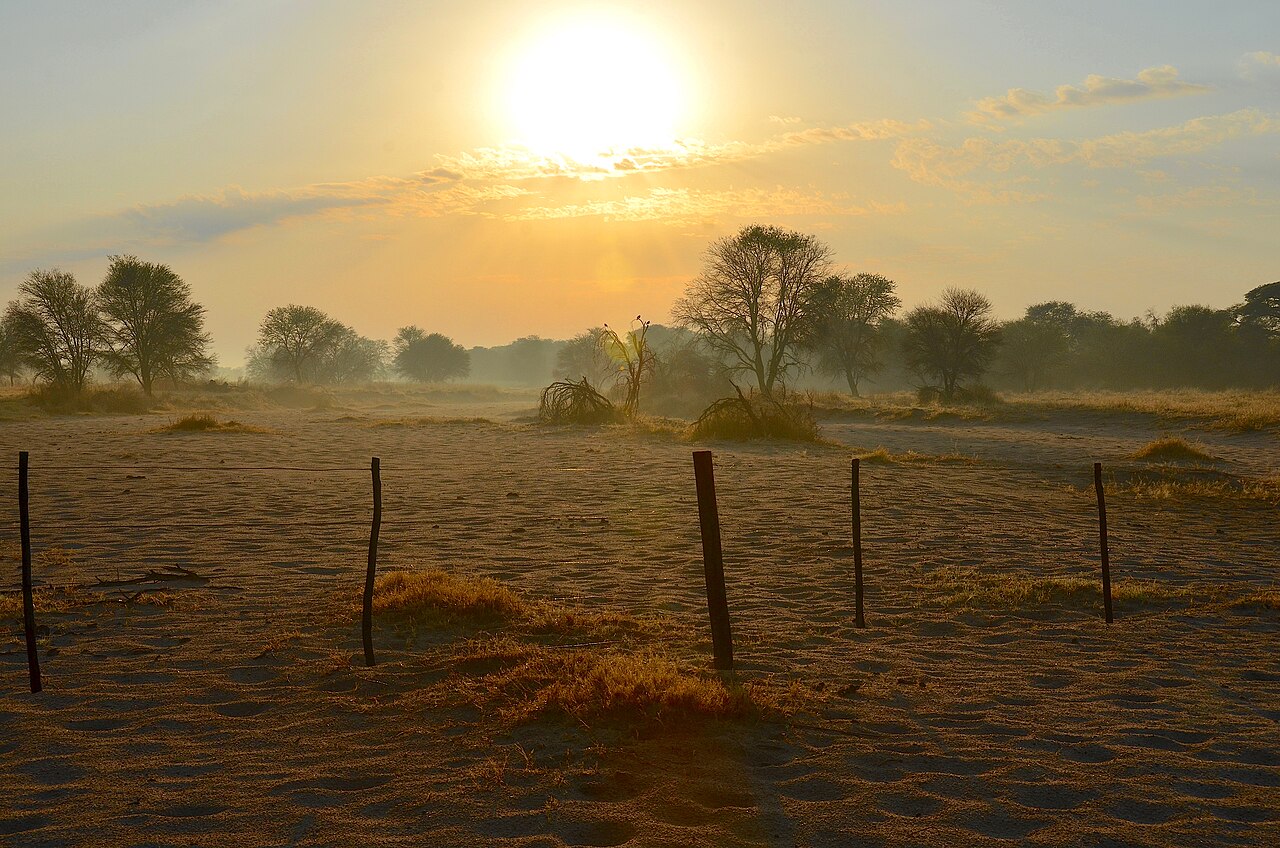
Morning is the early part of the day, commonly associated with dawn to midday. It has distinct light, temperature, biological rhythms, cultural practices and social routines across societies.
Overview
Morning commonly refers to the early portion of the 24-hour day, often framed as the hours between dawn and midday. Definitions vary by culture and context: some people mark morning from the first light until noon, while technical schedules sometimes treat it as the period from midnight to 12:00. Despite the variation, morning is widely recognized as the transition from night to the active part of daytime.
Image gallery
3 Images

Physical and biological characteristics
Morning light tends to be cooler in colour and the air is frequently cooler than later in the day. Human physiology follows a circadian rhythm: hormones such as cortisol typically rise toward the morning to promote wakefulness, while melatonin decreases. Many people experience sleep inertia shortly after waking, and exposure to bright morning light helps synchronise the internal clock, supporting alertness and mood.
Parts and terms
- Dawn or pre-dawn: first light or twilight before the sun rises.
- Early morning: the time shortly after sunrise when many begin daily activities.
- Mid-morning/forenoon: later morning hours approaching noon.
Social uses, routines and cultural importance
Morning hours are often associated with routines such as breakfast, commuting, market trading, school and the start of work. Religious and cultural practices—prayers, rituals, markets, and public gatherings—frequently take place in the morning. Language reflects its role: greetings like "good morning" and literary imagery cast morning as renewal or a beginning.
Distinctions and notable facts
Morning differs from dawn (the start of light) and from afternoon (the period after midday). Chronotype is a relevant concept: "morning people" and "evening people" prefer different activity schedules. Exposure to morning light is important for sleep health, and many productivity strategies recommend using morning hours for focused tasks.
Practical considerations
To make mornings more effective, common recommendations include regular wake times, early natural light exposure, light physical activity, and a balanced breakfast. These practices support alertness and help align circadian rhythms for better sleep and daytime performance.
For further reading and practical resources, see related material and other overviews on daily rhythms and routines.
Author
AlegsaOnline.com Morning (period of the day) Leandro Alegsa
URL: https://en.alegsaonline.com/art/66723
Sources
- oxforddictionaries.com : Oxford Dictionary
- timeanddate.com : timeanddate.com