
Motile: Biological Movement and Motility in Living Organisms
Motile describes the ability of an organism or cell to move under its own power. Covers mechanisms, examples across life, ecological and medical importance, and distinctions from sessile organisms.
Overview
The term motile refers to an organism, tissue or cell that can move by its own energy and structures, rather than being carried passively. A motile organism can change position in its environment, seek resources, escape threats, or perform life-cycle behaviors. In contrast, sessile organisms remain fixed in place for most or all of their lives.
Image gallery
6 Images




Common mechanisms of motility
Different groups of life achieve movement with characteristic structures and strategies:
- Cellular appendages: flagella and cilia rotate or beat to propel single cells or move fluids over surfaces.
- Actin- and myosin-based motion: many eukaryotic cells use cytoskeletal motors for crawling or shape change, as in amoeboid movement.
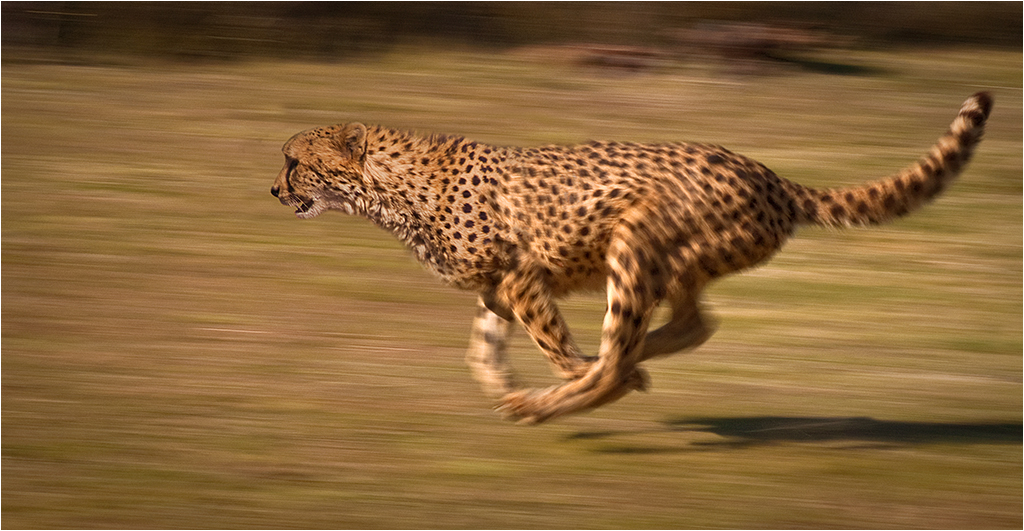
- Appendage-driven locomotion: limbs, fins, wings and jointed legs enable complex directed travel in animals.
- Surface adhesion and pili: some bacteria pull themselves using retractable filaments.
Examples and contexts
Motility appears across scales: bacteria swim or twitch, protozoa glide or extend pseudopods, plants exhibit limited movements via growth or reversible turgor changes (nastic movements), and animals show diverse locomotor styles. In humans and veterinary medicine, sperm motility is a key fertility parameter.
Importance and study
Motility affects ecology, evolution and health. Mobile organisms can forage, disperse, colonize new habitats and avoid predation. Researchers analyze motility to understand disease processes (microbial invasion, cancer cell migration), development, and biomechanics. Measurement ranges from microscopic tracking of single cells to biomechanical analysis of animal locomotion.
Distinctions and notable facts
Being motile is not absolute: many organisms combine motile and sessile phases during their life cycles. Passive transport (drifting, being carried by others) differs from true motility because it lacks self-powered control. The evolution of motility was a major step that expanded ecological niches and behavioral complexity across life.
Related articles
Author
AlegsaOnline.com Motile: Biological Movement and Motility in Living Organisms Leandro Alegsa
URL: https://en.alegsaonline.com/art/66901