
Mosquero, New Mexico
Mosquero is a small village in northeastern New Mexico that lies in both Harding and San Miguel counties; population was 93 at the 2010 U.S. Census.
Mosquero is a small incorporated village in northeastern New Mexico. It sits primarily in Harding County while a portion extends into San Miguel County. The community is part of the rural landscape of the state and recorded a population of 93 at the 2010 U.S. Census. Mosquero serves as a local center for nearby ranches and farms and is one of the smaller municipal seats in the region.
Image gallery
5 Images


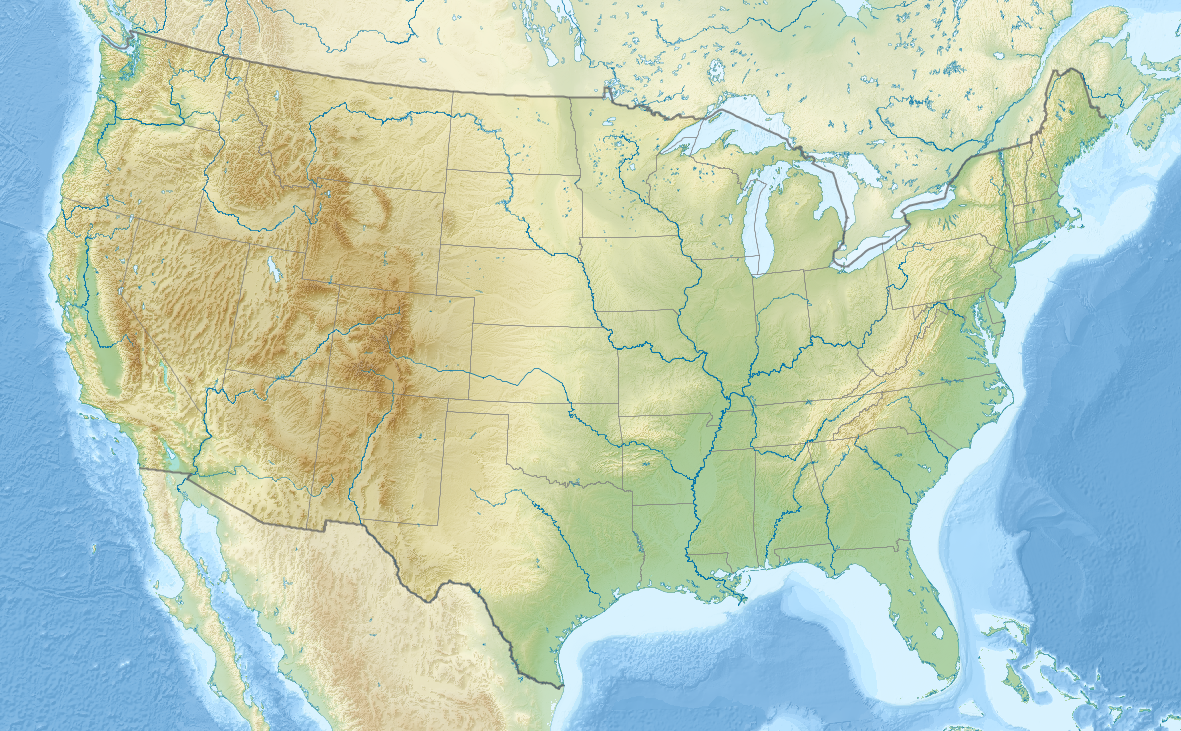
Geography and environment
Mosquero lies on the high plains of northeastern New Mexico, characterized by wide, open terrain with grasslands and a semi-arid climate. The surrounding land is used largely for cattle ranching and dryland agriculture. Roads connecting the village link it to neighboring towns and to statewide routes, while services remain limited compared with urban areas.
History and development
The village developed as a frontier ranching and farming settlement, shaped by patterns common to the Great Plains: dispersed homesteads, small commercial centers, and periodic growth tied to agriculture. Over decades, many rural communities in the region experienced population decline as economic activity consolidated in larger towns. Mosquero’s role as a local administrative and social hub has remained important to its residents.
Economy, services, and community life
The local economy centers on livestock and agricultural support services, supplemented by small businesses that provide essentials to area residents. Community life typically revolves around municipal institutions, local schools, churches, and seasonal events. Public services are modest; residents often travel to larger towns for specialized medical care, retail shopping, and higher education.
Notable facts and distinctions
- Mosquero functions as a rural village in northeastern New Mexico, occupying territory in two counties.
- It recorded a population of 93 in the 2010 census, illustrating the small scale of many Plains communities.
- The village continues to serve surrounding ranches and farms as a local administrative and social center.
For readers seeking basic civic or demographic details, official county pages and census summaries provide the most reliable, up-to-date figures and municipal information. Local history is best explored through regional archives, county records, and oral histories maintained by longtime residents.
Related articles
Author
AlegsaOnline.com Mosquero, New Mexico Leandro Alegsa
URL: https://en.alegsaonline.com/art/66856
Sources
- factfinder.census.gov : "Geographic Identifiers: 2010 Census Summary File 1 (G001): Mosquero village, New Mexico" · archive.today