
Moratuwa, Sri Lanka
Coastal suburb south of Colombo known for its university, coastal setting, carpentry and furniture industries, and a mix of residential, educational and commercial life.
Moratuwa is a prominent coastal suburb located about 18 kilometres south of the centre of Colombo in Sri Lanka. The town occupies a narrow headland and is bounded on the west by the Indian Ocean and on the east by the Bolgoda Lake system; only its northern side links directly to neighbouring inland suburbs. Moratuwa combines dense residential neighbourhoods, institutional campuses and areas of light industry, and it serves as an important commuter and service town for the Colombo metropolitan area.
Image gallery
6 Images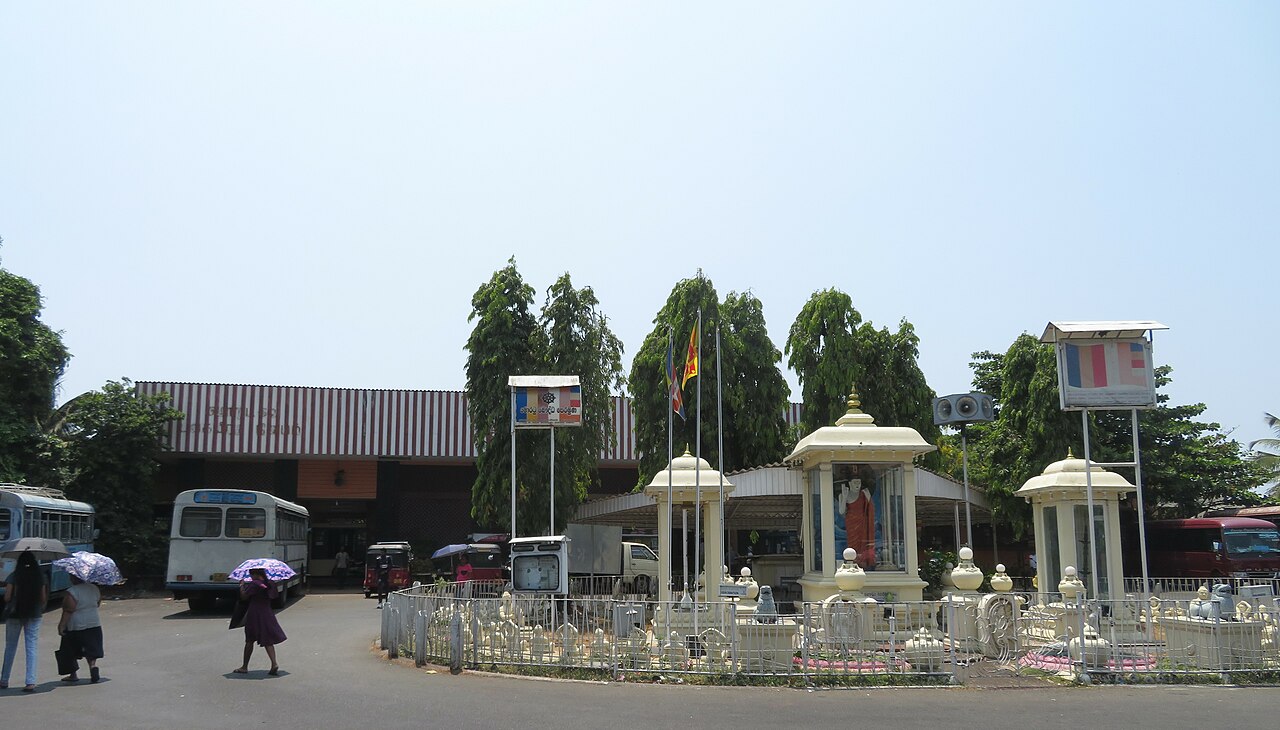


Geography and transport
Moratuwa's coastal position gives it a distinctive three-sided waterfront profile: ocean frontage to the west and a complex lagoon and lake shoreline to the east. This setting has historically supported fishing, small-scale boat-building and waterborne trade. The suburb is served by the main coastal route, Galle Road, which carries road traffic between Colombo and the southern districts; this artery passes through commercial sections and links local bus services. A coastal rail line also connects Moratuwa to Colombo and other towns to the south, providing frequent commuter services.
Education, culture and institutions
Moratuwa is widely recognised for its higher-education presence, most notably the University of Moratuwa, which specialises in engineering, architecture and technology and draws students from across the country. The town also hosts a range of schools, technical colleges and cultural centres. A public library on Galle Road, opened in the late 20th century with municipal fundraising and international support, is noted for its architectural influences and community services; it functions as a local cultural resource and lending library for residents and students (public library).
Economy and local industries
The local economy mixes service activities with manufacturing and crafts. Moratuwa has a long-standing reputation for skilled carpentry and furniture production, with workshops and small factories producing household and commercial timber goods. Light manufacturing, retail trade along the main roads, and services tied to education and commuting form significant employment sectors. Traditional livelihoods such as fishing remain part of the town’s economic fabric in coastal neighbourhoods.
History and development
Historically a settlement tied to coastal trade and fishing, Moratuwa expanded substantially during the 20th century as Colombo’s urban area grew southward and transport links improved. Residential development, the establishment of higher-education institutions and the growth of small industries reshaped the town into a mixed urban suburb. Population figures from earlier censuses documented rapid growth over several decades; more current demographic data are collected by national censuses and local authorities.
Notable features and distinctions
- Education: the University of Moratuwa is a national centre for engineering and architecture education.
- Crafts and manufacturing: a regional centre for furniture making and carpentry workshops.
- Coastal and inland waters: proximity to the Indian Ocean and Bolgoda Lake shapes recreation, ecology and local livelihoods.
- Connectivity: Galle Road and coastal rail provide strong links to Colombo and the southern corridor (transport routes).
As part of the Colombo metropolitan region, Moratuwa combines suburban living with distinct local industries and institutions, making it a notable node in the wider urban and economic landscape of Sri Lanka.
Related articles
Author
AlegsaOnline.com Moratuwa, Sri Lanka Leandro Alegsa
URL: https://en.alegsaonline.com/art/66611
Sources
- world-gazetteer.com : "Sri Lanka: largest cities and towns and statistics of their population"