
Moonshine: Illicit and Unaged Distilled Spirit
Moonshine is a clear, often unaged distilled spirit historically produced outside regulation. It includes illegal bootleg liquor, regional traditions, public‑health risks, and modern legal white whiskey versions.
Overview
Moonshine commonly denotes distilled alcoholic liquor produced outside government regulation. The image of moonshine evokes small, clandestine stills, clear unaged whiskey and rural manufacture by individuals or households. Although the term most often refers to illegal production, it is also applied to legally made "white" or unaged spirits sold by licensed distilleries.
Image gallery
9 Images


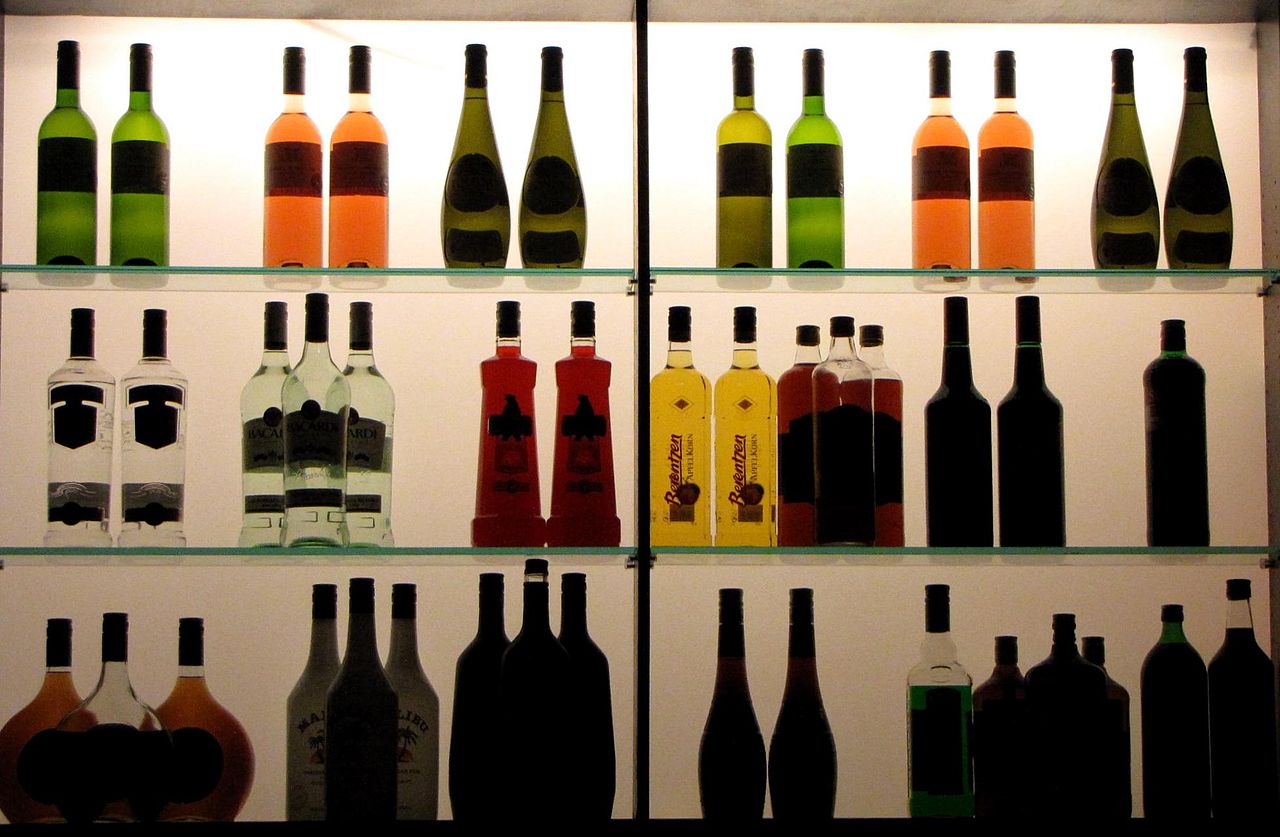


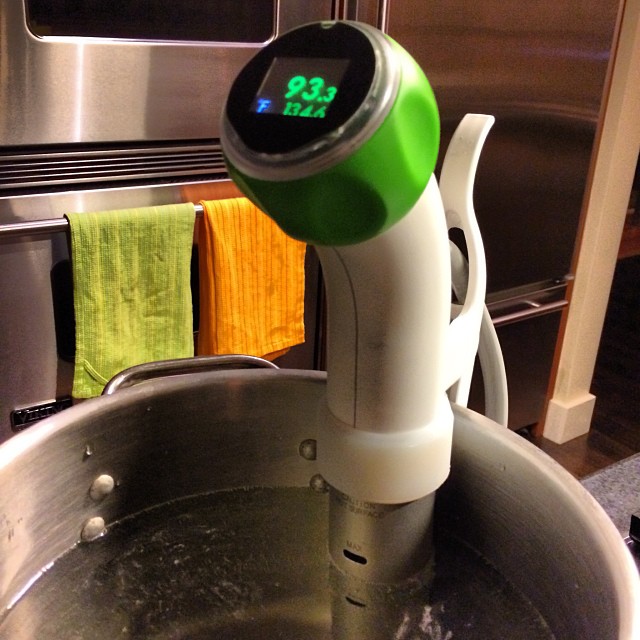

Production and characteristics
Traditional moonshine is made by fermenting a mash of grains, sugar, fruit or other carbohydrate sources and then distilling the fermented liquid to concentrate ethanol. In parts of the United States a corn mash has been common, yielding a spirit similar to corn whiskey; other recipes use barley, rye, apples or molasses. Distillation in simple pot stills produces a high‑proof, mostly clear liquor whose aroma and flavor vary with the base ingredients, yeast and distillation technique.
History and culture
The name "moonshine" likely comes from producing alcohol by the light of the moon to avoid detection. In many regions its history is linked to rural economies where taxes, restricted markets or legal prohibitions encouraged hidden production. In the United States moonshine became particularly prominent during national Prohibition in the 1920s and in the mountain communities of Appalachia before and after that era. Stories of bootleggers, revenue agents and fast driving to evade capture have made moonshine a potent cultural symbol in film, music and folklore.
Risks and public health
Illicit distillation carries notable hazards. Improperly designed stills and unsafe heating can cause fires or explosions. If distillation does not adequately separate undesirable compounds, toxic congeners such as methanol may remain and can cause blindness or death. Contamination from non‑food‑grade equipment and unclean conditions are additional risks. For these reasons, licensed production with quality controls reduces many safety concerns.
Legal status and modern variants
Legal treatment of unaged white spirits varies by country and region. Some craft distilleries market regulated, taxed "moonshine" as a style of white whiskey or unaged corn liquor; these products meet safety and labeling requirements. The word is also used colloquially for a range of illicit and legal products, so consumers should check labels and the producer's credentials.
Terminology and distinctions
- Illicit moonshine: produced without a license or tax payment and often sold informally; may be unsafe.
- Legal "moonshine" or white whiskey: made by licensed distillers, regulated and taxed; intended for retail sale.
- Regional names: white lightning, hooch, mountain dew and other local terms reflect regional speech and history.
Moonshine remains both a living craft and a cautionary example in alcohol policy discussions. Where production is legal, it is subject to the same regulations and public‑health standards as other distilled spirits; where it is illegal, enforcement seeks to control safety risks and tax evasion. Cultural interest in historical techniques, traditional recipes and small‑scale distillation continues to shape how moonshine is understood and produced today.
Related articles
Author
AlegsaOnline.com Moonshine: Illicit and Unaged Distilled Spirit Leandro Alegsa
URL: https://en.alegsaonline.com/art/66550
Sources
- gtotd.blogspot.com : "Grammar Tip of the Day: The true story behind Thunder Road"
- imdb.com : "Perry Mason" The Case of the Bouncing Boomerang (TV Episode 1963)