
Mood swing
A mood swing is a relatively rapid shift in emotional state. It can be a normal, adaptive response or, when extreme, part of a psychiatric condition such as bipolar disorder.
Overview
A mood swing is a noticeable change in a person's emotional state that occurs over a short period. Shifts can range from mild and brief—such as becoming momentarily irritable or elated—to more intense changes that persist and affect thinking and behaviour. Most people experience mood swings at various times in life; they are not inherently pathological.
Image gallery
1 Image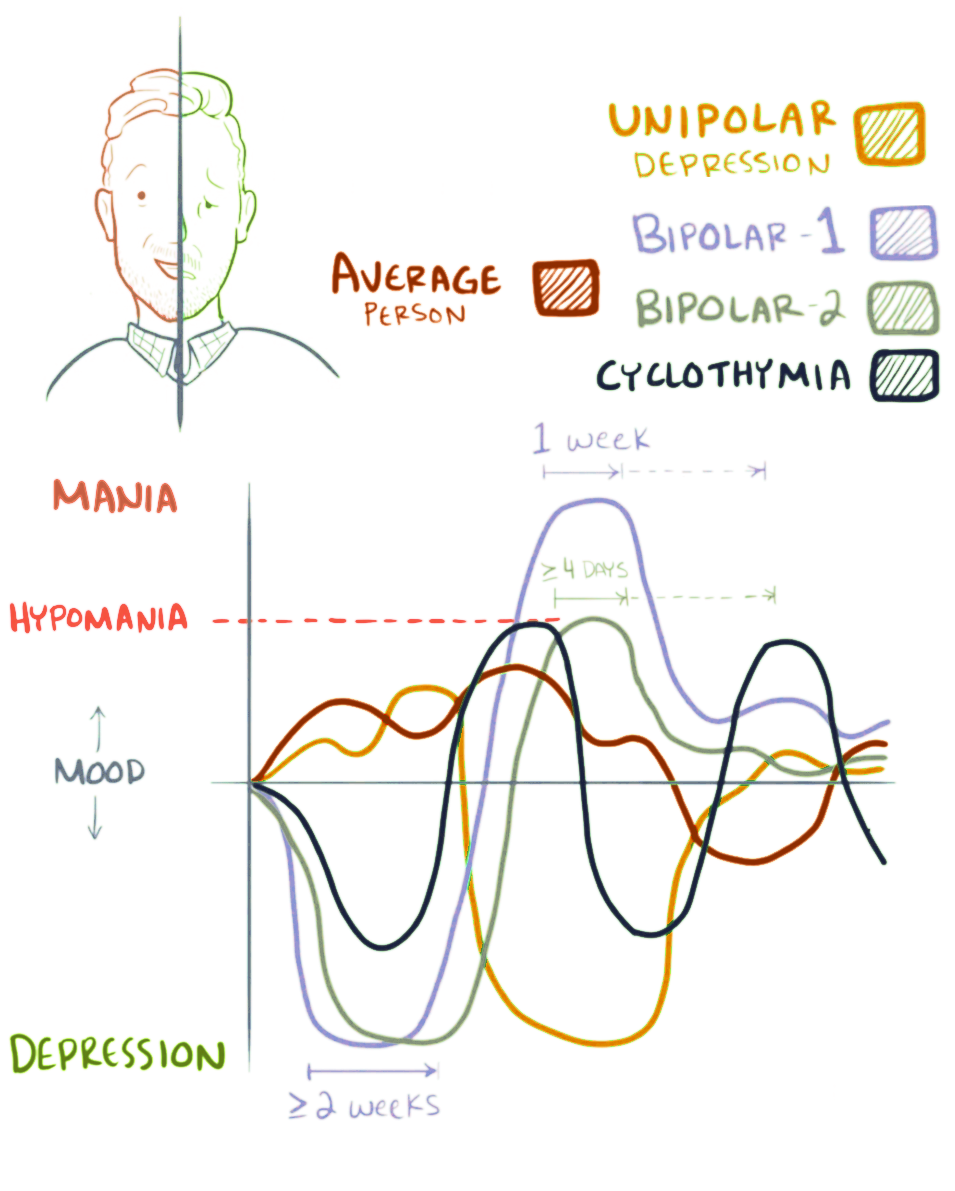
Causes and characteristics
Mood fluctuations arise from many interacting factors. Biological influences include hormone changes, sleep disruption, medication effects and neurological variability. Psychological and social contributors include stress, grief, interpersonal conflict and important life transitions. Characteristics that vary include speed of onset, intensity, frequency and the degree to which mood alters thinking, energy and activity.
Adaptive role and everyday examples
Short-term mood shifts can be adaptive. A brief increase in anxiety may sharpen attention for problem solving, while a lift in mood can encourage social engagement and creative thinking. Everyday examples include feeling suddenly discouraged after a setback, then regaining optimism after a new opportunity, or reacting with anger to an injustice and calming when the issue is resolved.
When mood swings are problematic
Mood swings become concerning if they are extreme, frequent, unpredictable or interfere with work, relationships and safety. Prolonged highs or lows, severe impulsivity, or changes that impair daily functioning may signal an underlying disorder. One important distinction is bipolar disorder, in which episodes of mania or hypomania alternate with depression; for more information see bipolar disorder.
Management and support
Many mild mood swings respond to lifestyle strategies such as regular sleep, balanced nutrition, consistent exercise and stress reduction. Psychological therapies—especially cognitive behavioural approaches—help people identify triggers and develop coping skills. When swings are part of a diagnosed mood disorder, medication and specialist care may be recommended.
Key points and distinctions
- Normal vs clinical: Occasional mood shifts are common; clinical concern arises when changes are severe, persistent or disabling.
- Triggers matter: Identifying recurring situations, substances or health issues can reduce frequency.
- Seek help: Professional assessment is advisable for unpredictable or harmful mood changes.
Related articles
Author
AlegsaOnline.com Mood swing Leandro Alegsa
URL: https://en.alegsaonline.com/art/66527