
Myers-Briggs Type Indicator (MBTI)
Overview of the Myers‑Briggs Type Indicator: its structure, origins in Jungian theory, common uses, and major strengths and criticisms.
Overview
The Myers‑Briggs Type Indicator (MBTI) is a personality assessment that assigns respondents to one of sixteen type labels based on four preference pairs. It aims to describe habitual ways people perceive information and make decisions, rather than measure skills or clinical disorders. The instrument is built on psychological ideas inspired by Carl Gustav Jung and subsequent refinements. It is widely used in business, education and personal development as a tool for self-reflection and improving interpersonal understanding.
Image gallery
1 Image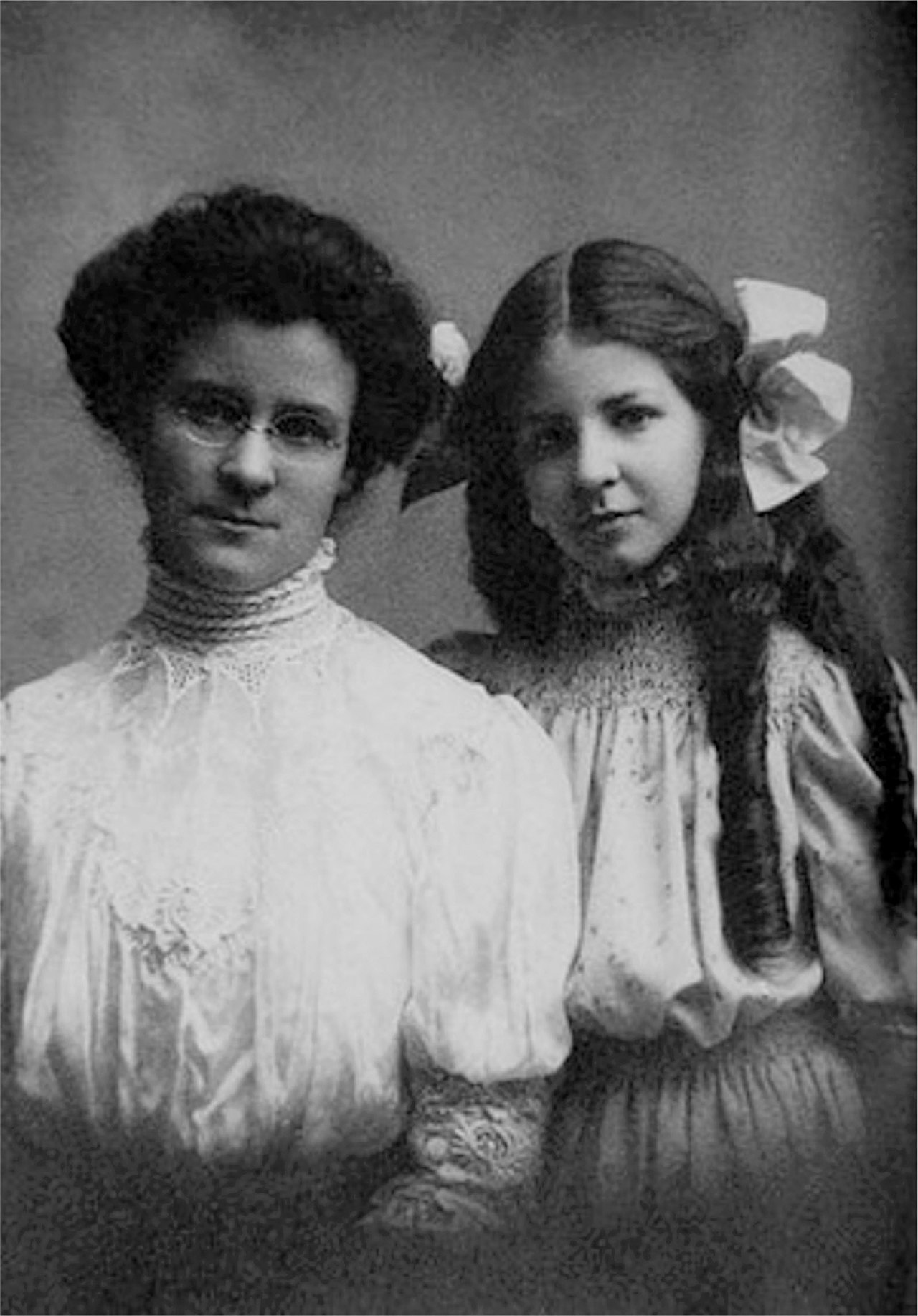
Core structure
The MBTI groups individuals using four dichotomies. Each dichotomy yields one letter; the four letters form a type code (for example, INTJ or ESFP). The dichotomies are:
- Extraversion (E) – Introversion (I): where a person directs attention and energy;
- Sensing (S) – Intuition (N): preferred mode of taking in information;
- Thinking (T) – Feeling (F): decision‑making orientation;
- Judging (J) – Perceiving (P): approach to structure and external life.
These preferences are presented as tendencies, not fixed traits: MBTI literature emphasizes that types describe styles rather than capacities. The instrument is based on self-report questionnaires that ask respondents to choose between paired statements reflecting these preferences.
Origins and development
The MBTI traces its theoretical roots to Jung's early 20th‑century work and was developed by Katharine Cook Briggs and her daughter Isabel Briggs Myers. The pair began creating questionnaires during the era of World War II to help people identify suitable roles and to support workplace placement. Over subsequent decades the tool was refined into a standardized format and became a commercially distributed assessment. Its developers framed the types as equally valuable and as a way to increase self‑knowledge and improve teamwork.
Uses and examples
Organizations, coaches and educators commonly use MBTI results to facilitate communication, team building, conflict resolution and career exploration. Examples of typical applications include:
- workshop activities that reveal different communication styles;
- career counseling to match job environments to preference patterns;
- personal development exercises to highlight strengths and blind spots.
The MBTI is often paired with other frameworks and should be used as one of several tools rather than a sole basis for hiring or clinical decisions.
Criticisms, limitations and research
Scholars and practitioners have raised several concerns about the MBTI. Common critiques include questions about test‑retest reliability (some people receive different types at different times), the instrument's binary either/or format for preferences, and limited evidence for strong predictive validity on outcomes like job performance. Many psychologists recommend complementing MBTI insights with other validated measures and caution against overinterpreting type labels as definitive descriptions of ability or potential.
Notable facts
Despite debate among researchers, the MBTI remains popular in many nonclinical settings and is often valued for providing a common vocabulary for discussing personality differences. Its theoretical foundation can be explored further in writings on Jungian typology and in educational materials provided by publishers and trainers. For background on the psychological ideas that influenced the MBTI, see related discussions of psychological typology.
Questions and answers
Q: What is the Myers-Briggs Type Indicator?
A: The Myers-Briggs Type Indicator is a set of questions based on psychology that helps people learn about how they tend to make choices and view the world.
Q: How many groups do people get placed in after answering the questions in the Myers-Briggs Type Indicator?
A: People are placed in one of sixteen groups based on theories by Carl Gustav Jung in his book Psychological Types (1921).
Q: Who created the first set of questions during World War II?
A: Katharine Cook Briggs and her daughter Isabel Briggs Myers created the first set of questions during World War II.
Q: What was the purpose of creating the first set of questions?
A: The set of questions was made to help women who were working for the first time to be happier and work better.
Q: When was the Myers-Briggs Type Indicator that we use today created?
A: The MBTI that we use today was created in 1962.
Q: Is there a best type in the Myers-Briggs Type Indicator?
A: No, there is no best type. The types are considered all equal.
Q: Whose theories was the sixteen-group system based on?
A: The sixteen-group system was based on theories by Carl Gustav Jung in his book Psychological Types (1921).
Related articles
Author
AlegsaOnline.com Myers-Briggs Type Indicator (MBTI) Leandro Alegsa
URL: https://en.alegsaonline.com/art/67962