
Montreal Maroons (Montreal Professional Hockey Club)
A professional ice hockey club in Montreal that played in the NHL from 1924–1938, won Stanley Cups in 1926 and 1935, and represented the city's English-speaking community before folding during the Depression.
Overview
The Montreal Maroons, officially the Montreal Professional Hockey Club, were a professional ice hockey team that competed in the National Hockey League (NHL). Established to broaden the league's appeal in Montreal, the club operated from 1924 to 1938 and won the Stanley Cup twice, in 1926 and 1935.
Image gallery
7 Images


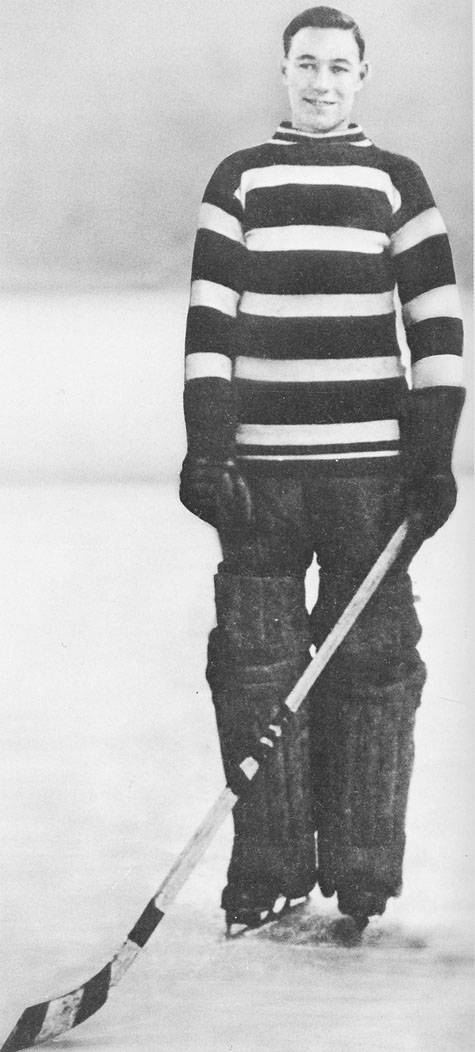
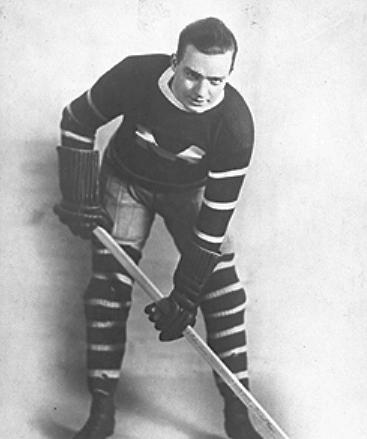


Characteristics and identity
The Maroons were formed to represent Montreal’s English-speaking community and shared the city with the francophone Montreal Canadiens. They played their home games in Montreal and were known for competitive rosters in the 1920s and 1930s. Their team identity emphasized a working-class, anglophone fan base that distinguished them from the Canadiens’ audience.
History and development
The club joined the NHL during a period of rapid change and expansion in professional hockey. Early success came quickly; the Maroons captured a Stanley Cup within two seasons of joining the league. Over the next decade they remained a strong club, adapting as the NHL evolved with rule changes and relocations of other teams.
Notable figures and style
The Maroons featured prominent players of the era and competed at a high level both defensively and offensively. Like many teams of the period, their play emphasized physicality, puck control and goaltending techniques that were developing alongside changes to equipment and league rules.
Decline and legacy
Financial pressures of the Great Depression, competition for spectators in a two-team city, and shifting economics of professional sports led to the franchise suspending operations and ultimately folding in 1938. Despite their relatively short existence, the Maroons left a lasting legacy: two Stanley Cup championships and a role in the NHL’s early growth. Their rivalry with the Canadiens and contributions to the league’s history are remembered by hockey historians and fans.
Importance and notable facts
- The Maroons won two Stanley Cups, in 1926 and 1935, marking them among the successful clubs of the early NHL.
- They represented the anglophone community in Montreal and provided a sustained local rivalry with the Canadiens.
- Their existence illustrated the financial vulnerabilities of early professional teams and helped shape later franchise decisions in the NHL.
Related articles
Author
AlegsaOnline.com Montreal Maroons (Montreal Professional Hockey Club) Leandro Alegsa
URL: https://en.alegsaonline.com/art/66462