
Mong Kok — densely built commercial and residential area in Kowloon, Hong Kong
Mong Kok is a busy, high-density urban neighbourhood in Kowloon, Hong Kong, known for shopping streets, markets, nightlife and transport links. It has a complex social history and occasional civil unrest.
Overview
Mong Kok is a compact, heavily built-up neighbourhood on the Kowloon peninsula of Yau Tsim Mong District, in Hong Kong. It is widely recognised for a mix of residential towers, street-level retail and lively public spaces. The area is among the most densely populated urban zones in the world and is a focal point for both daily commerce and tourism.
Image gallery
10 Images


Character and layout
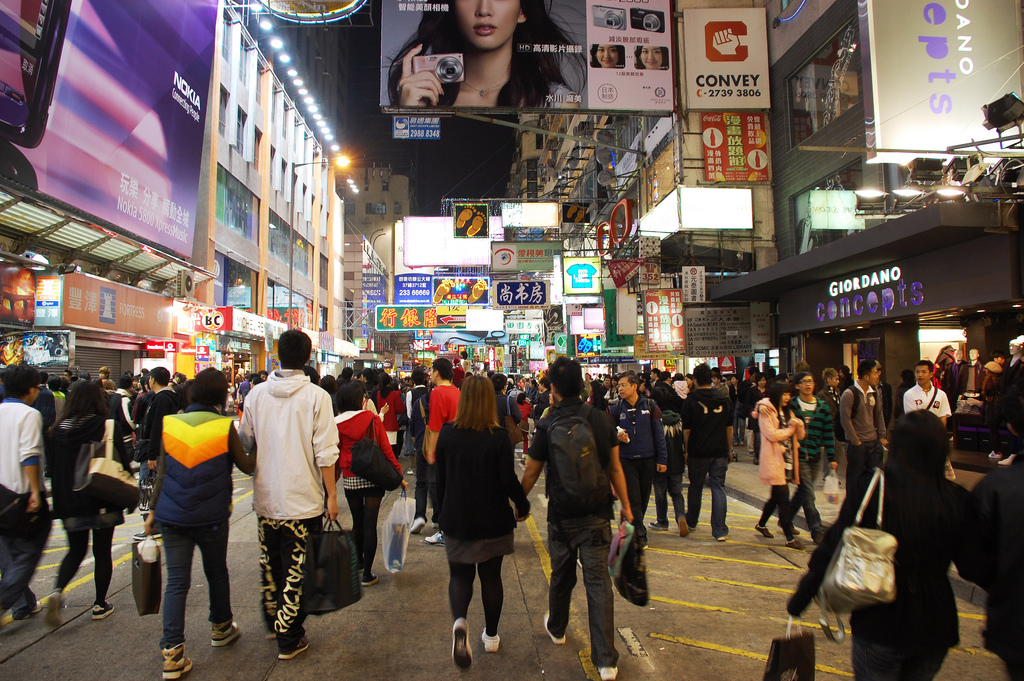
The street pattern in Mong Kok features narrow roads lined with multi-storey buildings that combine shops, restaurants and small factories on lower floors with apartments above. The district is notable for its bright signage, late-night food stalls and a concentration of specialist retail streets. Small businesses, bazaars and hawker stalls coexist with modern shopping centres, creating a layered urban texture.
Markets, commerce and culture
Mong Kok contains several well-known themed markets and shopping streets that attract locals and visitors. Typical examples include:
- Street markets offering clothing and accessories, often known collectively as the “Ladies’ Market.”
- Specialist streets for electronics, sneakers and sportswear.
- Flower, goldfish and bird markets reflecting long-standing local leisure and retail traditions.
Street food, small eateries and neon-lit shopfronts contribute to a strong night-time economy. The neighbourhood is also a centre for youth culture and trends in Hong Kong.
History and public order incidents
Mong Kok developed rapidly during the 20th century as Kowloon urbanised under British administration and later under the Hong Kong Special Administrative Region. It has played a role in several public events and demonstrations in recent decades. Reported clashes in 2016 drew wide attention: known in some accounts as the Mong Kok unrest, those disturbances involved confrontations between protesters and law enforcement agencies and were reported to have led to police use of crowd-control measures, including pepper spray. Contemporary reporting and official statements about such incidents can be found via news and government sources such as local media and statements by the police.
Transport and accessibility
The neighbourhood is well served by public transport, with multiple bus routes, minibuses and one of the city's key metro (MTR) interchanges providing rapid connections across Hong Kong. Its accessibility contributes to high pedestrian volumes and intense commercial activity.
Notable facts and challenges
Mong Kok illustrates common urban issues in dense Asian cities: high property values, small living spaces, noise and congestion, alongside a rich street-level economy. Conservation of cultural features, management of public space and balancing redevelopment pressures with local livelihoods are ongoing concerns for residents, planners and businesses.
For more detailed local guides, municipal data and contemporary reporting see sources and reports accessible via the regional information outlets linked above.
Related articles
Author
AlegsaOnline.com Mong Kok — densely built commercial and residential area in Kowloon, Hong Kong Leandro Alegsa
URL: https://en.alegsaonline.com/art/66032
Sources
- wikidata.org : wikidata.org/wiki/Q1207691
- musicbrainz.org : 46c8d3c6-26bb-407f-88dc-d72f146c70b2