
Moldovița (commune in Suceava County, Romania)
Moldovița is a commune in Suceava County, northern Romania, known for the 16th‑century painted and fortified Moldovița Monastery, a landmark of Bukovina's medieval religious art.
Overview
Moldovița is a rural commune located in the historical region of Bukovina in northern Romania. Administratively it lies within Suceava County and is part of the country's network of small mountain and sub‑mountain communities. The settlement serves as a local center for nearby villages and countryside, and it is best known for its cultural and religious heritage.
Image gallery
10 Images





Location and landscape
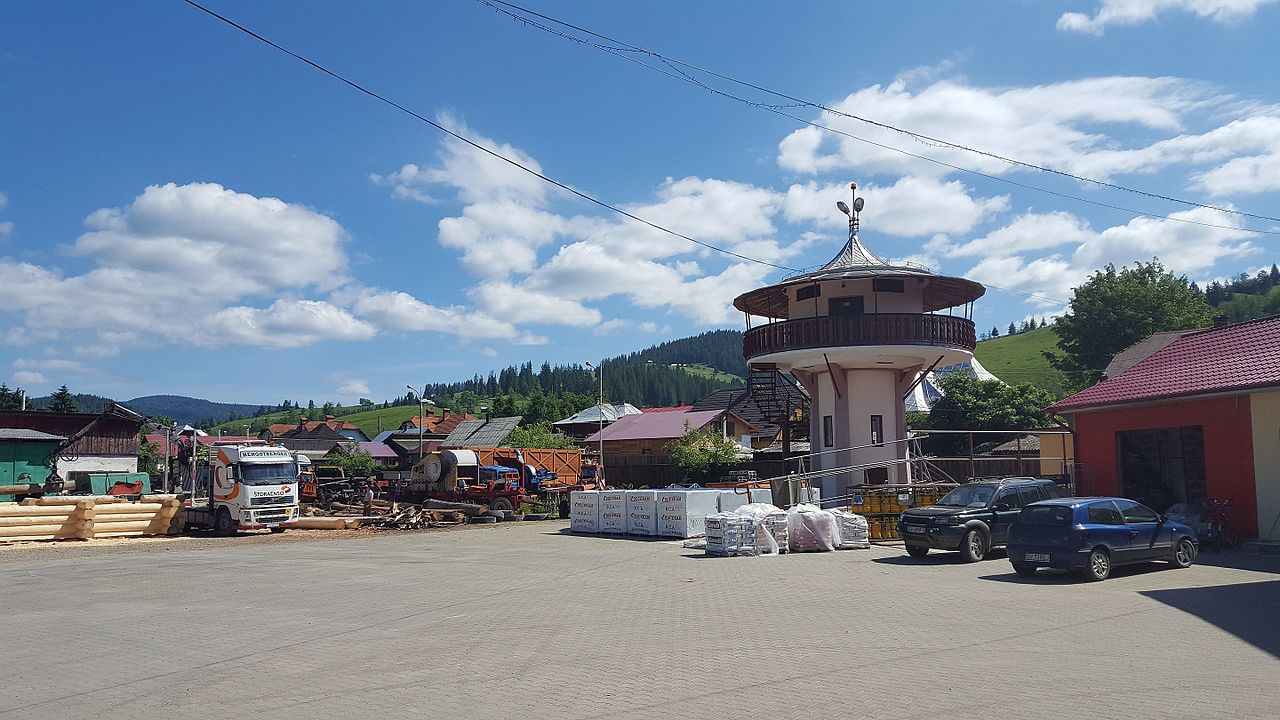
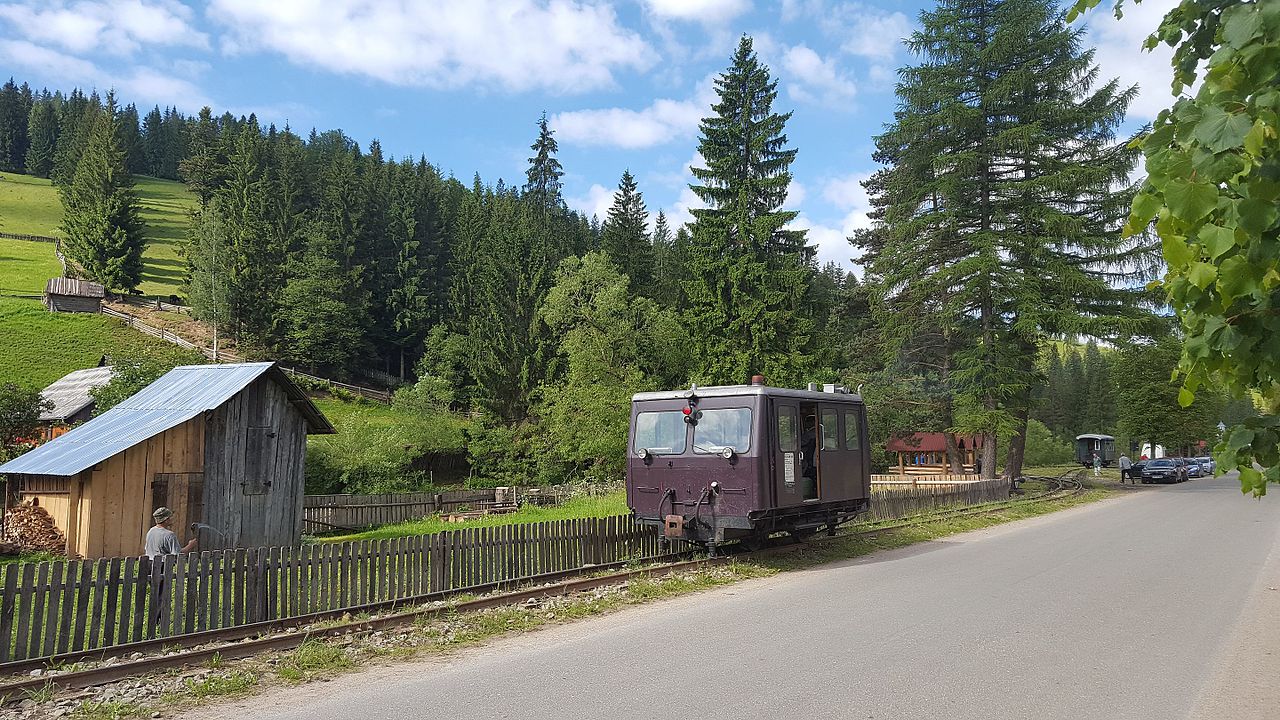
The commune occupies a valley in the foothills of the Eastern Carpathians, along the Moldovița River. Its setting features mixed forests, pastures and agricultural plots, typical of Bukovinian highland areas. The terrain and climate have shaped local livelihoods around farming, animal husbandry and forestry, with growing tourist activity tied to cultural sites and scenic routes.
Moldovița Monastery
The Moldovița Monastery, founded in 1532 by the Moldavian prince Petru Rareș, is the commune's most prominent landmark. It is a fortified monastery complex built to combine spiritual, defensive and community functions. The church is celebrated for its extensive exterior and interior frescoes illustrating biblical scenes and Orthodox themes; it is one of the painted monasteries of northern Moldavia that attract visitors and scholars alike.
- Founded: early 16th century (1532) by Prince Petru Rareș.
- Architectural type: fortified monastery with surrounding walls and towers.
- Art: exterior frescoes depicting scenes such as the Last Judgment and other biblical narratives.
The monastery is part of the group of churches in the region recognized for their exceptional medieval Orthodox painting and is included among the cultural attractions that define Bukovina's identity.
Cultural importance and tourism
Moldovița attracts pilgrims, art historians and tourists interested in the painted monastic tradition. Visitors come to view the frescoes, the monastery's medieval layout and the rural Bukovinian landscape. Local events and religious observances continue to use the monastery as a focal point for community life.
Community and preservation
Beyond tourism, the local economy remains based on agriculture and forestry. Conservation and restoration efforts periodically address weathering of the frescoes and the upkeep of historic structures. Moldovița illustrates the intersection of natural setting, local traditions and the broader historical currents of Bukovina within Romania.
Related articles
Author
AlegsaOnline.com Moldovița (commune in Suceava County, Romania) Leandro Alegsa
URL: https://en.alegsaonline.com/art/65850