
Molise: geography, history, culture and notable facts
Molise is a small southern Italian region on the Adriatic coast, created in 1963 from Abruzzi e Molise. It features Apennine landscapes, coastal plains, two provinces, distinct local traditions and archaeological sites.
Overview
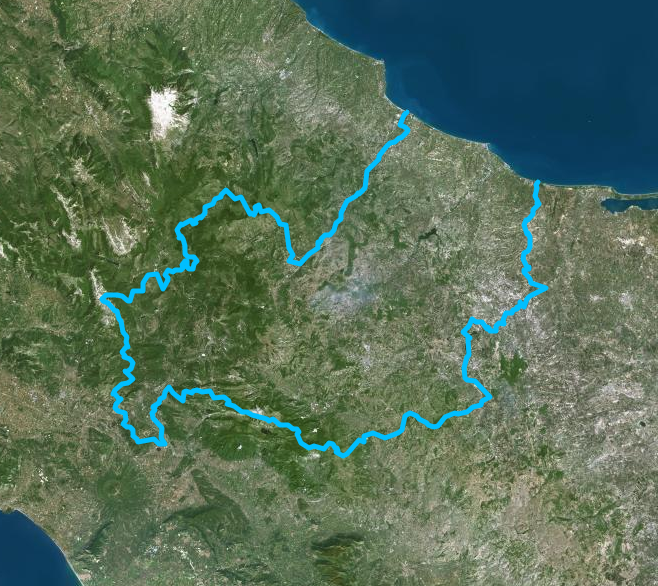
Molise is a small region of Italy located in the south-eastern part of the peninsula, with a coastline on the Adriatic Sea. Established as a separate region in 1963 after the division of the former Abruzzi e Molise, it is noted for its varied terrain, sparsely populated towns and long-standing rural traditions. The administrative capital is Campobasso, which functions as the political and cultural center of the region.
Image gallery
10 Images




Geography and environment
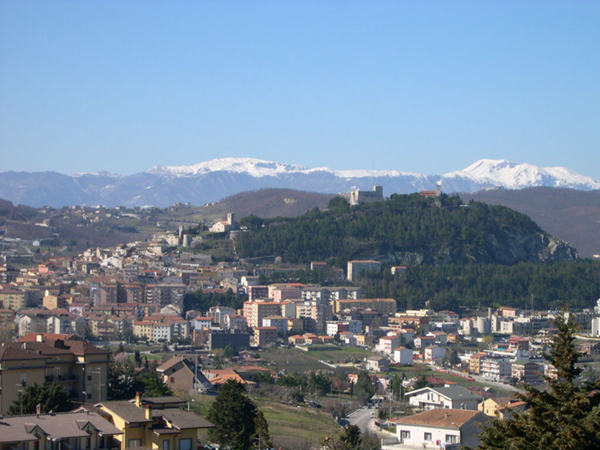
Molise spans coastal plains, rolling hills and the peaks of the central Apennines. Its eastern shore opens onto the Adriatic, while inland areas rise into forested mountains and high pastures. The landscape supports mixed agriculture, shepherding and woodland. Climate shifts from Mediterranean influences along the coast to cooler, more continental conditions in the mountains.
History and development
The human presence in the area dates back to prehistoric times and includes ancient Italic peoples, Roman settlements and medieval hill towns. Archaeological remains—such as Roman-era sites and Samnite traces—illustrate the long sequence of occupation. Modern Molise was administratively separated from Abruzzo in the mid-20th century, creating Italy’s youngest region; this reorganization emphasized local identity and governance.
Administration, towns and population
Molise is divided into two provinces: Campobasso and Isernia. Besides the regional capital Campobasso city, important towns include Isernia and smaller historic villages that preserve traditional architecture and local dialects. With a relatively low population density, many communities retain a strong rural character and interlinked family networks.
Economy, culture and cuisine
The regional economy is based largely on agriculture, livestock, artisanal food production and small-scale manufacturing. Local cuisine highlights cheeses, cured meats, simple pasta and bread traditions, and seasonal produce. Folk customs, religious festivals and handicrafts remain important to community life and help sustain cultural tourism.
Attractions and notable facts
- Archaeological sites and medieval hill towns offer historical interest and quiet tourism.
- Coastal beaches and inland mountain trails provide varied outdoor activities.
- Molise was part of Abruzzi e Molise until separation in 1963; this administrative change is a defining modern fact for the region—see also Abruzzo.
Although lesser known than larger Italian regions, Molise is valued for its landscapes, preserved local customs and slow-paced rural life, making it a destination for travelers seeking off-the-beaten-path experiences.
Questions and answers
Q: Where is Molise situated?
A: Molise is situated in Southern Italy on the Adriatic Sea.
Q: Which city is the capital of the region Molise?
A: The city of Campobasso is the capital of the region Molise.
Q: Which regions formed the old region of Abruzzi e Molise?
A: Molise and Abruzzo formed the old region of Abruzzi e Molise.
Q: When was Molise separated from the region of Abruzzi e Molise?
A: Molise was separated from the region of Abruzzi e Molise in 1963.
Q: What is unique about the region of Molise compared to other regions in Italy?
A: Molise is the youngest region in Italy.
Q: What is the significance of Campobasso in the region of Molise?
A: Campobasso is the capital city of the region of Molise.
Q: Which sea is Molise located on?
A: Molise is located on the Adriatic Sea.
Related articles
Author
AlegsaOnline.com Molise: geography, history, culture and notable facts Leandro Alegsa
URL: https://en.alegsaonline.com/art/65876
Sources
- www3.regione.molise.it : "Presidente"
- demo.istat.it : "Statistiche demografiche ISTAT"
- europa.eu : EUROPA - Press Releases - Regional GDP per inhabitant in 2008 GDP per inhabitant ranged from 28% of the EU27 average in Severozapaden in Bulgaria to 343% in Inner London
- tuttitalia.it : "Molise"
- peakbagger.com : "La Meta-Anticima Orientale, Italy"
- tuttitalia.it : "Comuni abruzzesi per popolazione"