
Mohamed Abdullahi Mohamed (Farmaajo) — Somali politician and former president
Mohamed Abdullahi Mohamed (born 1962), nicknamed Farmaajo, is a Somali politician and diplomat who served as Prime Minister (2010–2011) and President of Somalia (2017–2022).
Mohamed Abdullahi Mohamed (born 11 March 1962), commonly known by his nickname Farmaajo, is a Somali politician and diplomat who has played a prominent role in Somalia's transitional politics during the early 21st century. He served as Prime Minister from November 2010 to June 2011 and was elected the ninth President of Somalia in 2017, holding office until 2022. His public profile has been shaped by promises of reform, national security initiatives, and contentious domestic and international politics.
Image gallery
8 Images


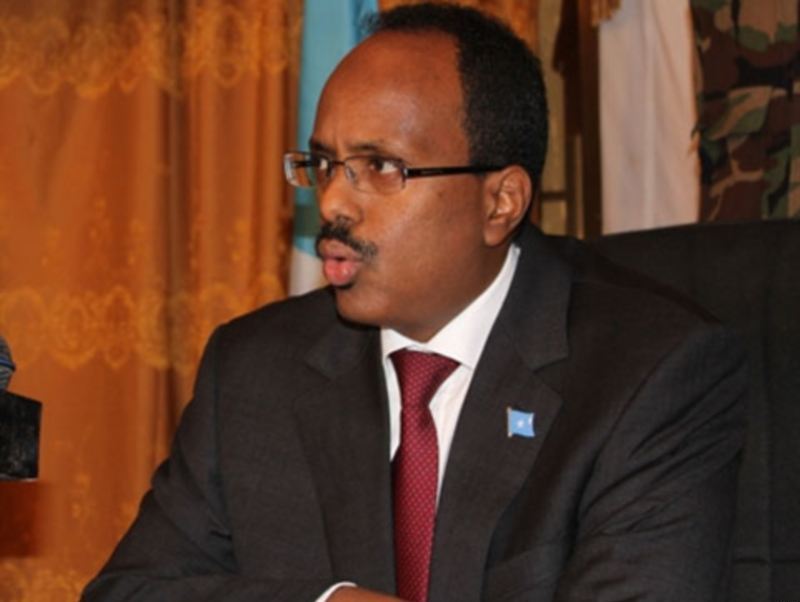

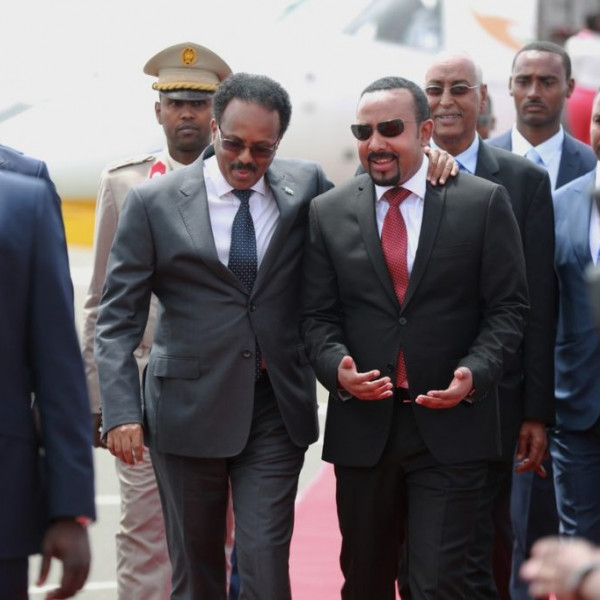
Background and early career
Mohamed rose to national prominence amid decades of conflict and state rebuilding in Somalia. He emerged from a generation of Somali politicians who combined experience inside government with time spent abroad. His family and clan affiliations have been a persistent element of his political identity, as is common in Somali public life. Variations of his name appear in Somali and Arabic-language sources, for example Somali and Arabic renderings of his name, reflecting Somalia's multilingual public record.
Political offices and policies
- Prime Minister (2010–2011): Appointed during a transitional period, he led a cabinet tasked with stabilizing institutions and confronting armed opposition groups.
- President (2017–2022): His presidential term emphasized anti-corruption rhetoric, attempts at reforming security forces, and efforts to reassert central authority over regional administrations.
During his presidency, Mohamed prioritized campaigns against violent extremist groups, sought to professionalize national security organs, and promoted a narrative of national unity. His administration also pursued fiscal and administrative reforms, although progress was uneven and often obstructed by political resistance.
Controversies, elections and political challenges
Mohamed's time in office was marked by significant controversy. Debates over presidential term limits, delayed parliamentary and presidential elections, and confrontations between federal and member-state authorities triggered protests and political standoffs. International partners frequently urged negotiation and compromise. In 2022 he was defeated in the presidential election and succeeded by a former president, an outcome that reflected shifting alliances within Somalia's complex political landscape. For further biographical references in English-language sources see biographical summaries.
Significance and legacy
Mohamed Abdullahi Mohamed remains a polarizing but consequential figure in contemporary Somali history. Supporters credit him with bold rhetoric on corruption and security; critics point to institutional strain, stalled reforms, and factional conflict during his tenure. His political career illustrates wider themes in Somalia's recovery: the interplay of clan dynamics, the difficulty of state-building after prolonged conflict, and the influence of both domestic constituencies and external partners in shaping governance. Analysts and regional observers continue to assess his impact on Somalia's trajectory; for broader context consult regional overviews and analyses at related resources.
Related articles
Author
AlegsaOnline.com Mohamed Abdullahi Mohamed (Farmaajo) — Somali politician and former president Leandro Alegsa
URL: https://en.alegsaonline.com/art/65769