
Mladá Boleslav — Central Bohemian city and home of Škoda Auto
Mladá Boleslav is a city in the Central Bohemian Region on the Jizera River, best known as the headquarters of Škoda Auto and for its historic centre and industrial heritage northeast of Prague.
Overview
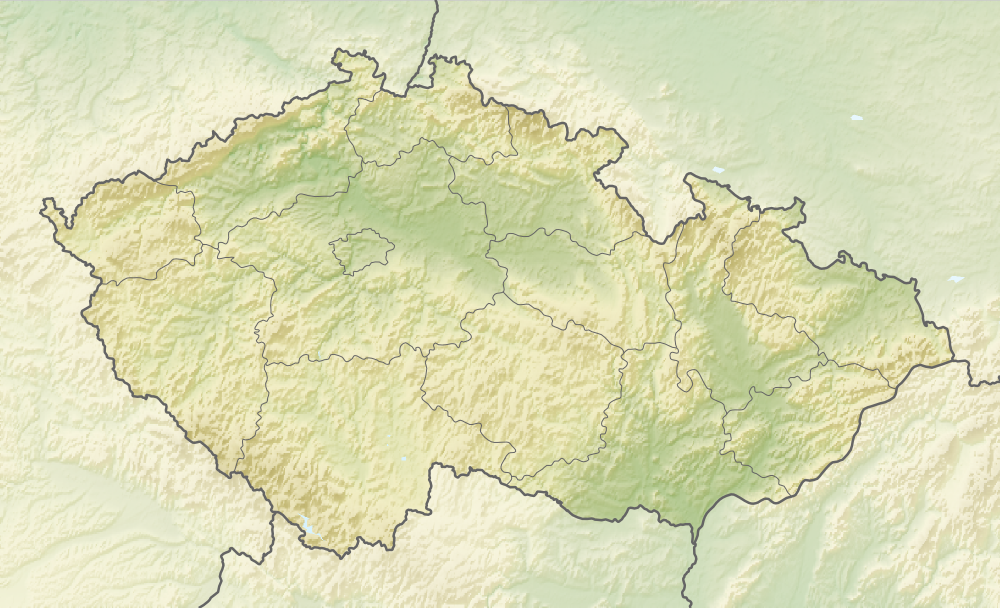
Mladá Boleslav is a city in the heart of the Czech lands, situated on the left bank of the Jizera River about 50 kilometres northeast of Prague. It is located in the Central Bohemian Region of the Czech Republic and has a long history as both a market town and an industrial centre. The town's German name, Jungbunzlau, reflects its mixed Central European past and the multilingual character of the region before the 20th century.
Image gallery
10 Images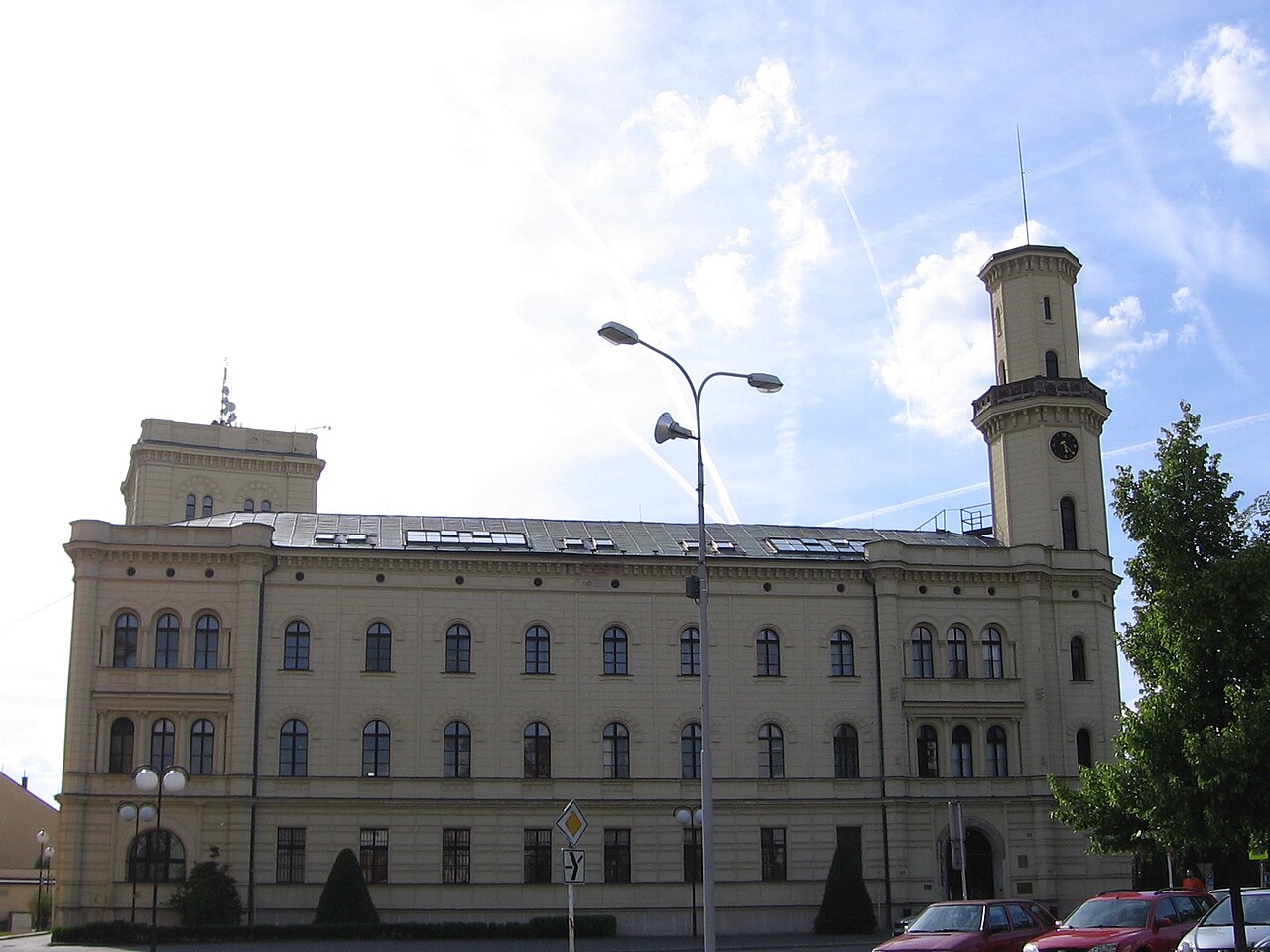



Characteristics and economy
Mladá Boleslav combines a compact historic centre with large modern industrial zones. It is one of the country's main automotive hubs because the global carmaker Škoda Auto has its principal offices and major manufacturing facilities here. The city's economy remains heavily influenced by the automotive supply chain while services, retail and education support a population of roughly forty to fifty thousand residents. Good road and rail connections link the city with Prague and other parts of the region.
History and development
The town grew from a medieval settlement and castle into an important local administrative and trading place. During the late 19th century Mladá Boleslav became industrially significant: the firm that evolved into Škoda Auto began here as a small bicycle and motorcycle maker (Laurin & Klement, founded in the 1890s), later expanding into automobiles and becoming central to the city's identity.
Notable sites and culture
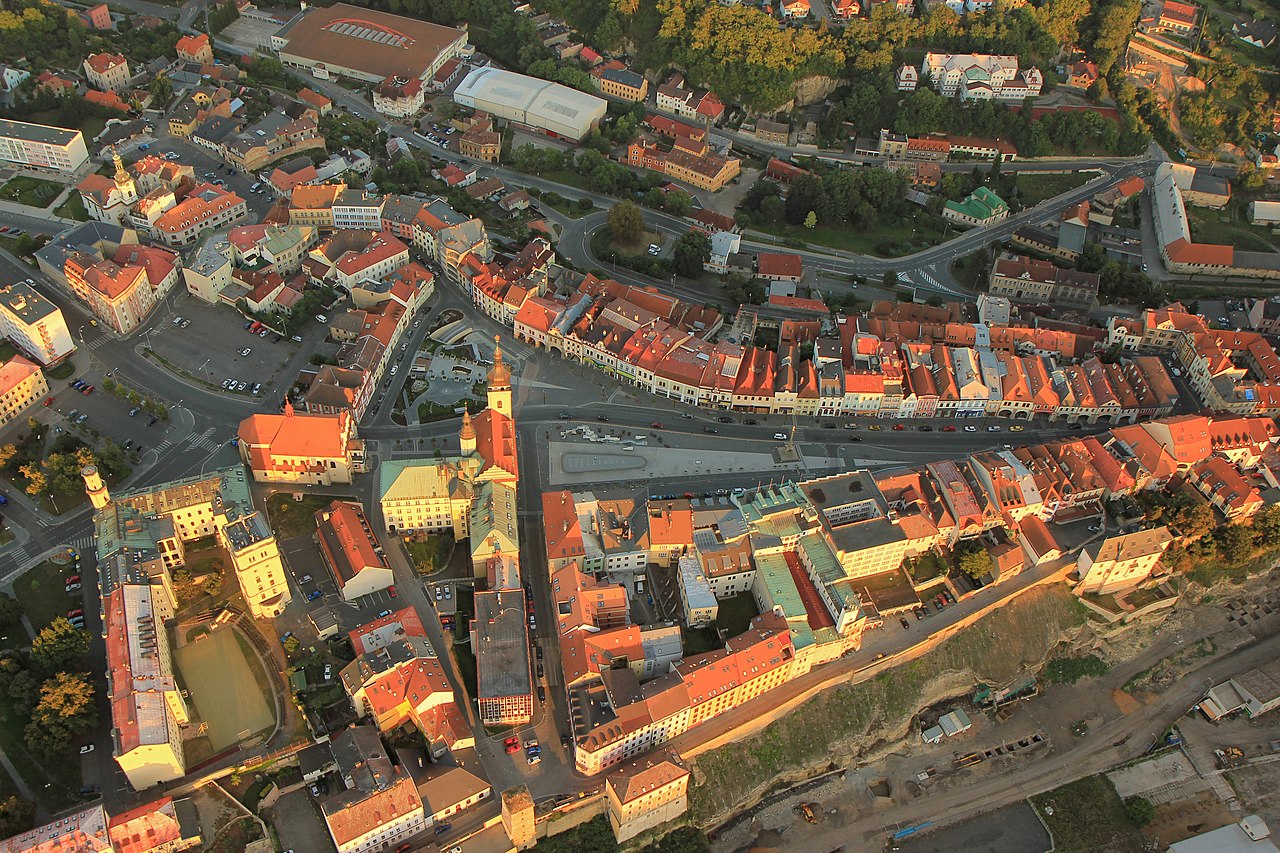
The historic centre preserves Gothic and Renaissance elements around a compact square, churches and civic buildings. Attractions and institutions include:
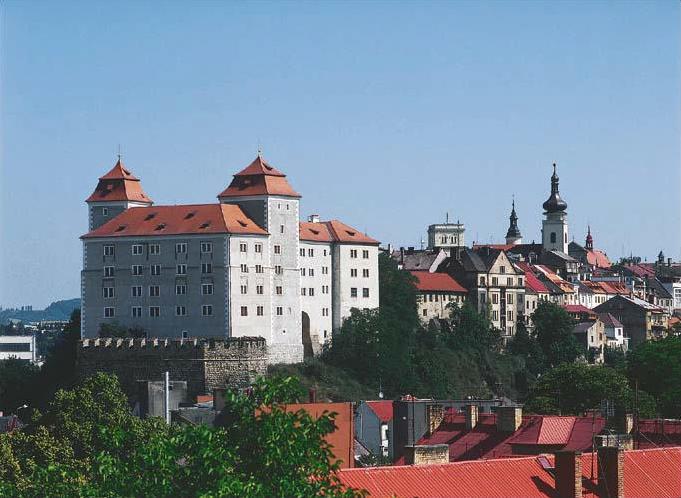
- a castle and old town quarter with museums and municipal architecture;
- automotive heritage sites such as company buildings and a transportation museum;
- cultural festivals, galleries and local theatre activities that reflect regional traditions.
Transport, education and regional role
Mladá Boleslav functions as a regional transport node with rail lines and highways facilitating commuting and freight. The presence of major industry supports vocational schools and technical training programmes tied to automotive engineering and manufacturing. Its location on the Jizera River and proximity to outdoor and historical attractions make the city both an economic centre and a base for exploring Central Bohemia.
Distinctive facts
While best known internationally for cars, the city also retains a layered urban fabric—from medieval streets to large 20th-century industrial complexes—illustrating the transition of Central European towns from local markets to modern industry. For more information about the city and its institutions visit the municipal pages and tourism resources provided locally: city information and specialised sources such as regional archives and museum sites (national context, industrial history).
Related articles
Author
AlegsaOnline.com Mladá Boleslav — Central Bohemian city and home of Škoda Auto Leandro Alegsa
URL: https://en.alegsaonline.com/art/65635
Sources
- czso.cz : "Population of municipalities of the Czech republic"