
Federal Ministry for Economic Cooperation and Development (Germany)
Germany's federal ministry leading international development policy and cooperation, managing bilateral and multilateral aid, sustainable-development programs, and coordination with agencies like GIZ and KfW.
The Federal Ministry for Economic Cooperation and Development (BMZ) is the cabinet-level department of the Government of the Federal Republic of Germany charged with shaping and implementing the country's international development policy. The ministry defines priorities for development cooperation, represents Germany in multilateral development fora, and works with partner countries, international organizations and civil society to advance poverty reduction and sustainable development.
Image gallery
10 Images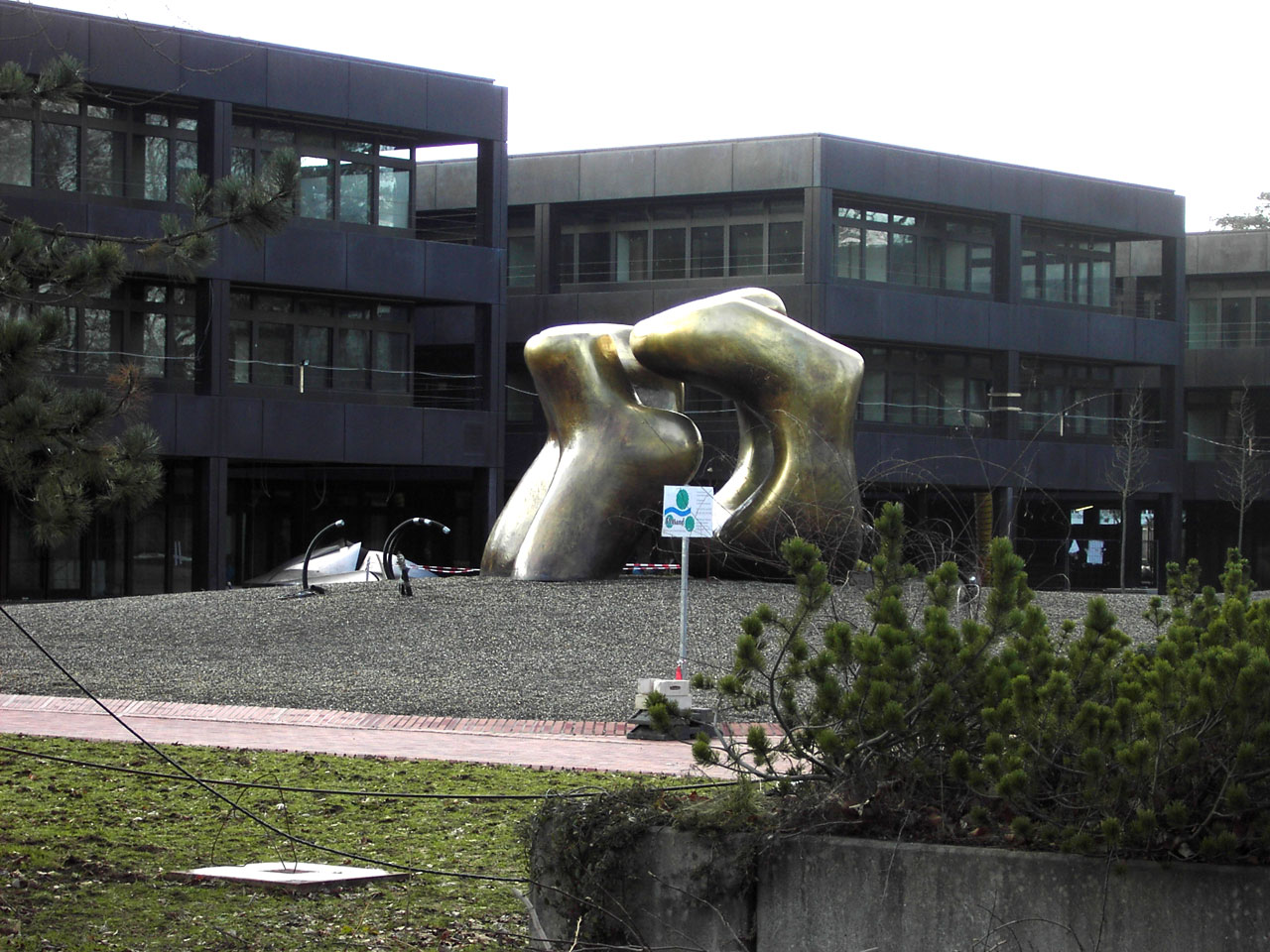




Role and responsibilities
The ministry develops strategies and legal frameworks for development policy and allocates official development assistance through a mix of bilateral and multilateral instruments. Its remit covers economic and social development, climate and environmental protection, humanitarian assistance, good governance and human rights, health and education, and support for private-sector development in partner countries. BMZ also coordinates Germany's contributions to global agendas such as the United Nations Sustainable Development Goals.
Organization and locations
BMZ operates through thematic departments and regional desks and is led by a federal minister supported by state secretaries and senior officials. It cooperates closely with implementing organisations and financial institutions, notably the Deutsche Gesellschaft für Internationale Zusammenarbeit (GIZ) GmbH and the KfW Development Bank, which carry out projects on the ministry's behalf. The ministry maintains its headquarters in Bonn, located in the building that formerly housed the Federal Chancellery, and a second office in the Europahaus in Berlin. See the ministry's profile at Federal Republic of Germany and locations in Bonn and Berlin.
Typical programs and instruments
- Technical cooperation and advisory services to strengthen institutions and human capacity.
- Financial cooperation, including concessional loans and grants for infrastructure, renewable energy and social services.
- Project and programme funding delivered directly or through multilateral partners such as UN agencies and development banks.
- Policy dialogue and capacity-building aimed at governance, anti-corruption and the rule of law.
- Humanitarian relief and post-crisis reconstruction measures.
BMZ places emphasis on integrating climate action and private-sector engagement into development measures, encouraging sustainable investment and technology transfer while safeguarding social and environmental standards.
History and significance
Emerging after World War II as Germany expanded its international engagements, the ministry evolved to address changing development challenges, from reconstruction to poverty reduction and global sustainability. Over time it has broadened cooperation modalities and strengthened partnerships with NGOs, the private sector and multilateral institutions. Its policies influence how Germany channels public funds and shapes international debates on development effectiveness.
While the ministry's priorities and instruments adapt to political and global shifts, its enduring function is to align Germany's external aid with long-term development goals and international commitments. BMZ thus plays a central role in how Germany contributes to development outcomes worldwide.
Questions and answers
Q: What is the Federal Ministry of Economic Cooperation and Development?
A: The Federal Ministry of Economic Cooperation and Development (BMZ) is a ministry of the Federal Republic of Germany.
Q: Where are the headquarters of the BMZ located?
A: The ministry's headquarters are in what used to be the Bundeskanzleramt (the Federal Chancellor's Office building) in Bonn, with a second office in the Europahaus, in Berlin.
Q: What does the BMZ focus on?
A: The BMZ focuses on economic cooperation and development.
Q: Is the BMZ a government organization?
A: Yes, the BMZ is a ministry of the Federal Republic of Germany.
Q: Why does the BMZ have a second office?
A: The BMZ has a second office in Berlin.
Q: Where is the Bundeskanzleramt located?
A: The Bundeskanzleramt is located in Bonn.
Q: What is the Europahaus?
A: The Europahaus is an office building in Berlin that houses a branch of the BMZ.
Related articles
Author
AlegsaOnline.com Federal Ministry for Economic Cooperation and Development (Germany) Leandro Alegsa
URL: https://en.alegsaonline.com/art/65230