
Mile Mrkšić: Yugoslav Army Officer and Convicted Participant in the Vukovar Aftermath
Mile Mrkšić (1947–2015) was a Yugoslav People’s Army colonel linked to the 1991 Battle of Vukovar. He was tried by the ICTY and sentenced to 20 years for failing to prevent the mass killing after Vukovar’s fall.
Mile Mrkšić (Serbian: Миле Мркшић; 20 July 1947 – 16 August 2015) was a Yugoslav People's Army officer who gained international attention for his role in the 1991 Battle of Vukovar and the events that immediately followed. A career military officer of Serb background, Mrkšić commanded forces active in eastern Croatia during a period that became emblematic of the wider conflicts accompanying the breakup of Yugoslavia.
Image gallery
1 Image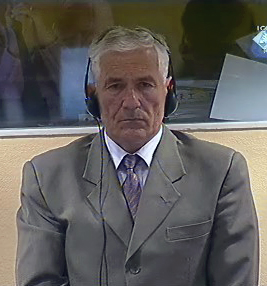
Military career and Vukovar
Mrkšić rose through the ranks of the Yugoslav People's Army (JNA) and served as a senior field commander in 1991. During the months-long siege of Vukovar, a city in eastern Croatia, JNA units together with various paramilitary formations fought intense urban combat against Croatian defenders. When Vukovar fell in November 1991, large numbers of wounded, prisoners and civilians were taken from the city and its hospital, and many were subsequently killed at a nearby location.
Indictment and international trial
In the years after the conflict, the International Criminal Tribunal for the former Yugoslavia (ICTY) investigated allegations of war crimes connected to the capture of Vukovar and the massacre that followed. Mrkšić was indicted along with several other military figures and later stood trial on charges related to the failure to prevent, stop or punish the murder and mistreatment of prisoners.
Conviction, sentence and legacy
After a lengthy legal process, Mrkšić was convicted for his role in the events that followed the fall of Vukovar. The judgment found he had been responsible for not preventing the mass killing of 264 Croat detainees who had been taken from the hospital and executed at Ovčara. He received a prison sentence of 20 years. The case is frequently cited in discussions of command responsibility and accountability for wartime conduct.
Notable aspects and aftermath
- The Vukovar and Ovčara incidents remain central episodes in the history of the Croatian War of Independence and are the subject of memorials, trials and historical research.
- Mrkšić’s trial helped clarify legal standards by which commanders can be held criminally liable for failing to prevent crimes by subordinates.
- Reactions to his conviction were mixed in the region, reflecting enduring historical and political tensions about the 1990s conflicts.
Mile Mrkšić’s life and trial are part of the broader effort to document, adjudicate and remember the wartime events that accompanied the dissolution of Yugoslavia. For further primary legal material and court documents, consult specialist legal archives and summaries of the ICTY proceedings.
Related articles
Author
AlegsaOnline.com Mile Mrkšić: Yugoslav Army Officer and Convicted Participant in the Vukovar Aftermath Leandro Alegsa
URL: https://en.alegsaonline.com/art/64935