
Midori Days
Midori Days is a Japanese romantic-comedy about a shy girl who literally becomes the right hand of a high-school boy, exploring shyness, identity, and the awkward intimacy of an impossible bond.
Overview
Midori Days is a romantic-comedy premise originating as a Japanese manga that was later adapted for animation. The story centers on Seiji Sawamura, a high-school boy with a fierce reputation, and Midori Kasugano, a timid, long-time admirer. In a surreal twist, Midori awakens transformed into a miniature version of herself fused to Seiji’s right hand. The unusual setup forces an intimate proximity that drives much of the plot’s humor, tension and character growth. The work blends sentimental moments with broad comedy and occasional farce typical of romantic comedies with a fantastical conceit; it is often discussed in both manga and anime contexts.
Image gallery
1 Image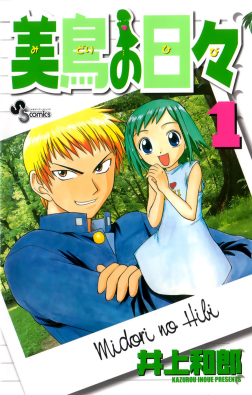
Premise and main characters
The core premise is deliberately simple and striking: a lonely, shy admirer who cannot confess her feelings becomes physically inseparable from the object of her affection. The central figures are:
- Seiji Sawamura — a tough, streetwise student whose fighting skills and tough exterior have left him friendless and romantically frustrated.
- Midori Kasugano — a soft-spoken, idealistic girl whose inability to speak up is literalized by her small size after the transformation.
- Supporting classmates and rivals who react to the bizarre situation and help reveal different facets of both protagonists.
The unusual arrangement—a tiny girl attached to a teenager’s hand—creates continuing scenarios where everyday acts become charged with awkwardness, comedy and genuine tenderness.
Themes and tone
At its heart the story examines shyness, unspoken desire and how close contact can change interpersonal dynamics. It uses physical absurdity to highlight emotional states: the enforced proximity operates as a device to make both characters confront fears, dependency and identity. Tone alternates between slapstick and gentleness; scenes range from comic misunderstandings to quiet, empathetic moments that emphasize the awkwardness of early affection. Critics and readers often note how the premise serves as an allegory for social anxiety and the paradoxes of teenage attraction.
Origins and adaptation
Originally serialized in a weekly manga magazine by its creator, the story was later adapted into animated form, bringing the manga’s visual gags and expressive character work to a broader audience. The adaptation preserved the core situation while trimming or rearranging episodes for pacing. Production choices emphasized facial expressions, timing and staging to balance humour with the more tender beats of the narrative. For an overview of editions and related media, see entries that collect publication history and adaptations in manga and related works.
Reception and notable facts
Readers and viewers tend to remember the concept for its inventiveness: turning an emotional obstacle—inability to confess—into a persistent, literal problem. Reactions vary; some praise the warmth beneath the silliness, while others find the premise uneasy or contrived. As a cultural artifact it is frequently cited when discussing surreal romantic comedies and stories that literalize psychological states. Its mix of tenderness and absurdity makes it distinctive among teen romantic comedies, and it remains a reference point for creators exploring forced intimacy and shy protagonists.
Distinctions and legacy
Midori Days stands out because it makes a fantastical bodily change the engine of character development rather than mere spectacle. The series is often compared to other works that use unusual premises to explore relationships, but its combination of school-life realism and a single, sustained surreal gag gives it a recognizable identity. Whether approached as light entertainment or as a small study of human hesitation, it continues to attract interest from readers who appreciate offbeat romantic storytelling.
Related articles
Author
AlegsaOnline.com Midori Days Leandro Alegsa
URL: https://en.alegsaonline.com/art/64750
Sources
- animenewsnetwork.com : "Midori Days DVD 2 - Review"