
Midibus
A midibus is a medium-sized bus that fills the gap between a minibus and a full single-deck bus, used for urban, suburban, and specialist services where capacity and maneuverability are both needed.
A midibus is a medium-sized road passenger vehicle intended to sit between a small minibus and a conventional single-deck bus in length, capacity and operating cost. Midibuses are designed to carry more people than a van-based minibus while remaining narrower and more maneuverable than a full-size single-decker. Typical seating and standing capacity varies by layout, but many midibuses transport roughly 20–40 passengers depending on specification and local regulations.
Image gallery
5 Images
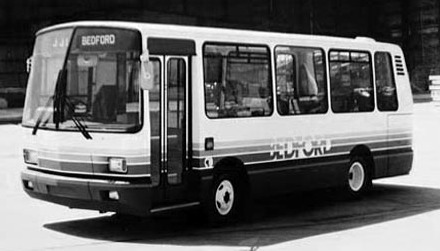


Characteristics
- Size and layout: Shorter length and reduced width compared with standard single-deckers, often with one or two passenger doors.
- Chassis and construction: Built on dedicated light- or medium-duty bus chassis or on reinforced commercial-vehicle platforms; many designs accept low-floor layouts for easier boarding.
- Accessibility: Modern midibuses commonly offer wheelchair space, kneeling suspension and low-floor entrances to meet disability-access standards.
- Configurations: Used with seated-only arrangements, mixed seating/standing, or specially fitted for school, shuttle, or community transport duties.
History and development
The midibus concept developed as operators sought vehicles that were cheaper to run than full-size buses but offered greater capacity and passenger comfort than minibuses. In the late 20th century, rising demand for flexible urban and suburban services led to a variety of midibus models from established manufacturers. In regions such as the United Kingdom, they became a popular choice for many local routes and commercially marginal services.
Uses and advantages
Midibuses are widely used for urban feeders, rural routes with lower demand, school transport, hotel and airport shuttles, and community or paratransit services. Operators often choose them because they offer a balance of passenger capacity and fuel efficiency, with lower purchase and running costs compared with larger buses. This combination can make them a more economical option on routes with variable ridership or narrow streets.
Notable manufacturers and variants
A range of manufacturers produce midibus models or derivatives, including long-established bus builders and commercial-vehicle firms. Designs differ in length, door arrangement and powertrain; newer variants include hybrid and fully electric midibuses adapted to urban low-emission strategies.
Distinctions and notable facts
There is no single universal legal definition separating minibuses, midibuses and single-deck buses, and classifications can vary between countries. The term "midibus" is therefore a practical description rather than a strict regulatory category. Their continued popularity reflects the need for vehicles that combine maneuverability, moderate capacity and relatively low operating costs for a wide range of local transport tasks.
Related articles
Author
AlegsaOnline.com Midibus Leandro Alegsa
URL: https://en.alegsaonline.com/art/64729