
Michel Tournier
French novelist and essayist (1924–2016) celebrated for mythic retellings and philosophical fiction; winner of the Prix Goncourt and Grand Prix du roman de l'Académie française.
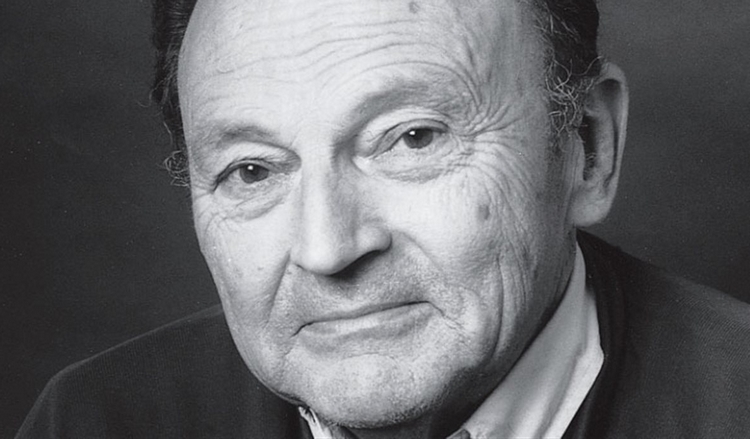
Michel Tournier (19 December 1924 – 18 January 2016) was a prominent French writer whose work blended myth, philosophy, and reimagined folklore. Born in Paris, he wrote novels, essays, and books for younger readers and became widely read in translation. His fiction is known for its reflective tone, allegorical layering and moral inquiry rather than for straightforward realism.
Image gallery
2 Images
Overview and biography
Tournier came to international attention in the 1960s and 1970s with novels that recast well-known narratives and archetypes to probe questions of identity, violence, and redemption. He published an autobiography translated into English as The Wind Spirit, and continued to write across decades. He died in Choisel, France, in January 2016 at the age of 91.
Themes and style
Rather than aiming for documentary realism, Tournier frequently reworked myths, legends, and classic stories to expose underlying psychological and ethical tensions. His prose mixes philosophical reflection, symbolic imagery and occasional black humor. Critics have noted his interest in archetypal figures and moral dilemmas, often approaching subjects through parable-like narratives that invite multiple interpretations.
Major works and recognition
- Friday, or, The Other Island (French title Vendredi ou les Limbes du Pacifique) — awarded the Grand Prix du roman de l'Académie française in 1967.
- The Erl-King (Le Roi des Aulnes) — recipient of the Prix Goncourt in 1970.
- The Wind Spirit — English translation of his autobiographical reflections.
These titles exemplify his tendency to retell or refract familiar narratives: Robinson Crusoe is one point of departure for Friday, while The Erl-King draws on legend and history to explore culpability and the human capacity for both cruelty and compassion. Over his career he received major French literary honors and was a member of the literary circle known as the Académie Goncourt. He was also at times mentioned among possible contenders for international prizes, including speculation about the Nobel Prize in Literature.
Legacy and distinctions
Tournier occupies a distinctive place in postwar French letters. He is often contrasted with writers who favored social realism or political engagement, because his principal preoccupations were metaphysical and symbolic. His books have been translated into many languages and continue to be read for their moral complexity and imaginative reworkings of cultural myths. For readers seeking literature that combines philosophical depth with narrative invention, Tournier remains a significant figure.
Related articles
Author
AlegsaOnline.com Michel Tournier Leandro Alegsa
URL: https://en.alegsaonline.com/art/64532