
Merville‑Franceville‑Plage: coastal commune in Calvados, Normandy
Seaside commune in Calvados, northwest France; known for wide sandy beaches, coastal wetlands, seaside tourism and the World War II Merville Gun Battery near Caen.
Merville‑Franceville‑Plage is a coastal commune in the Calvados department of northwestern France. It lies in the historic region of Basse‑Normandie (now part of Normandy) and forms part of the administrative area of Calvados. The town combines a long sandy shoreline with adjacent wetlands and agricultural land, making it both a seaside resort and a small rural community.
Image gallery
7 Images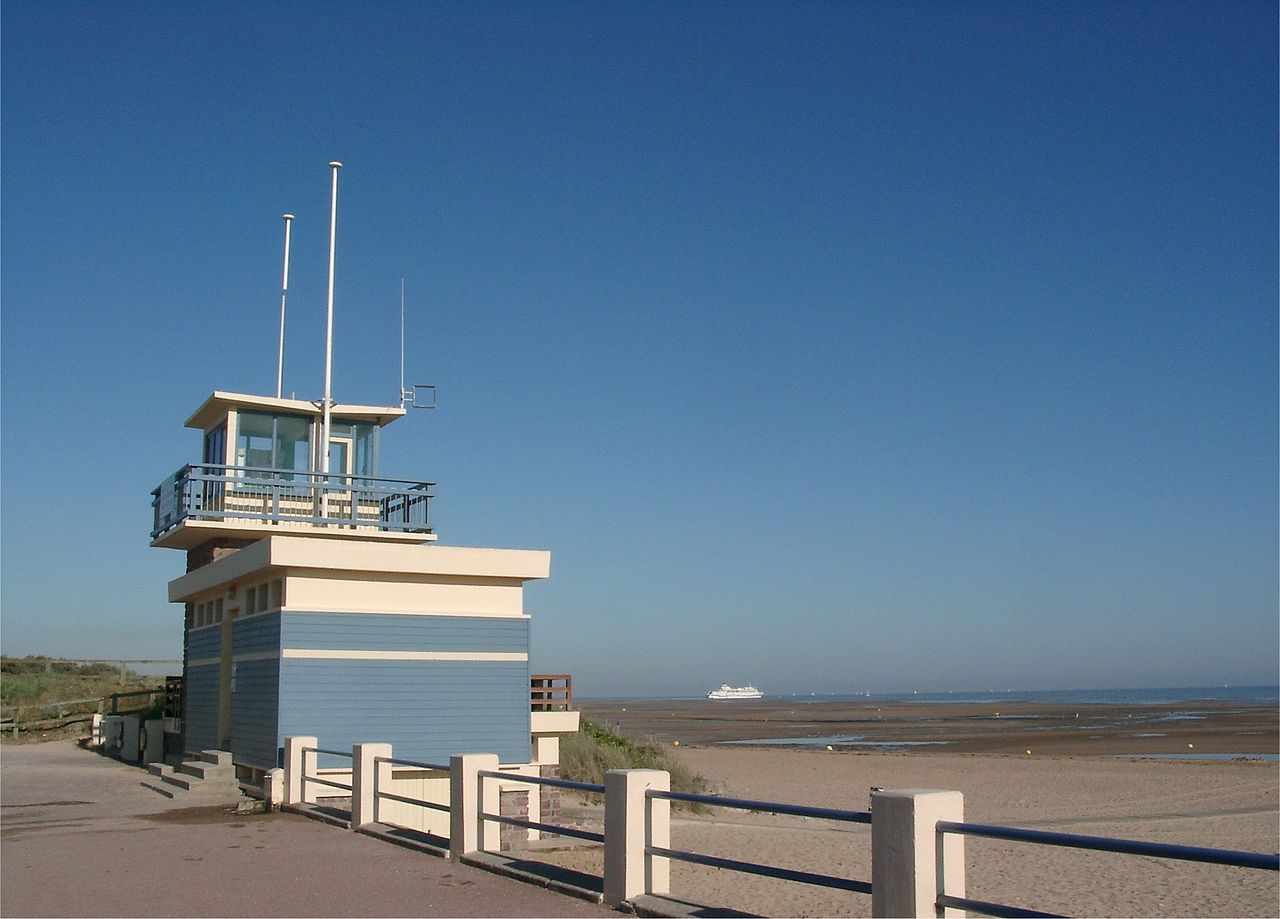



Geography and character
The commune occupies a low-lying coastal plain with beaches, dunes and marshes. Its beach is noted for a broad tidal foreshore that is popular in summer for walking and water sports. Inland areas include pasture and small farms; the landscape transitions quickly from sands and dunes to cultivated fields.
History and heritage
Merville‑Franceville‑Plage developed as a seaside destination in the 19th and 20th centuries, when coastal bathing and leisure travel grew in popularity. The locality is also linked to the Second World War: nearby stands the Merville Gun Battery, a German coastal artillery emplacement that was the objective of airborne operations during the Normandy invasion in June 1944. The battery and related sites are interpreted for visitors and form part of the area’s historical interest.
Activities and importance
The commune’s economy is shaped by tourism, small‑scale agriculture and local services. Visitors come for swimming, sailing and kitesurfing when conditions permit, and the tidal flats attract birdwatchers and anglers. A handful of shops, cafés and seasonal accommodation support the summer trade, while quieter off‑season months suit nature walks and photography.
Access and notable facts
- Nearest regional hub: the city of Caen and its transport links give easy access to the coast.
- Heritage site: the Merville Battery is interpreted with displays and preserved structures.
- Landscape: combination of sandy beaches, dunes and coastal marshes important for wildlife.
Merville‑Franceville‑Plage illustrates a common Normandy coastal pattern: a balance of heritage, recreational use and natural habitats. It is often visited as part of wider tours of the Normandy coast, combining history, seaside amenities and rural scenery.
Related articles
Author
AlegsaOnline.com Merville‑Franceville‑Plage: coastal commune in Calvados, Normandy Leandro Alegsa
URL: https://en.alegsaonline.com/art/64042