
Memphis (Old Memphis), Alabama
Memphis, often called Old Memphis, is a small community in the U.S. state of Alabama. This article outlines its identity, likely origins, local character, economy, and notable distinctions.
Overview
Memphis, commonly referred to as Old Memphis, is a small town or community in the U.S. state of Alabama. It is distinct from the much larger Memphis in Tennessee; the Alabama settlement is locally known for its rural setting and close-knit character. Sources vary on administrative details, so this article treats Memphis primarily as a local place name with historical and cultural significance within Alabama.
Image gallery
2 Images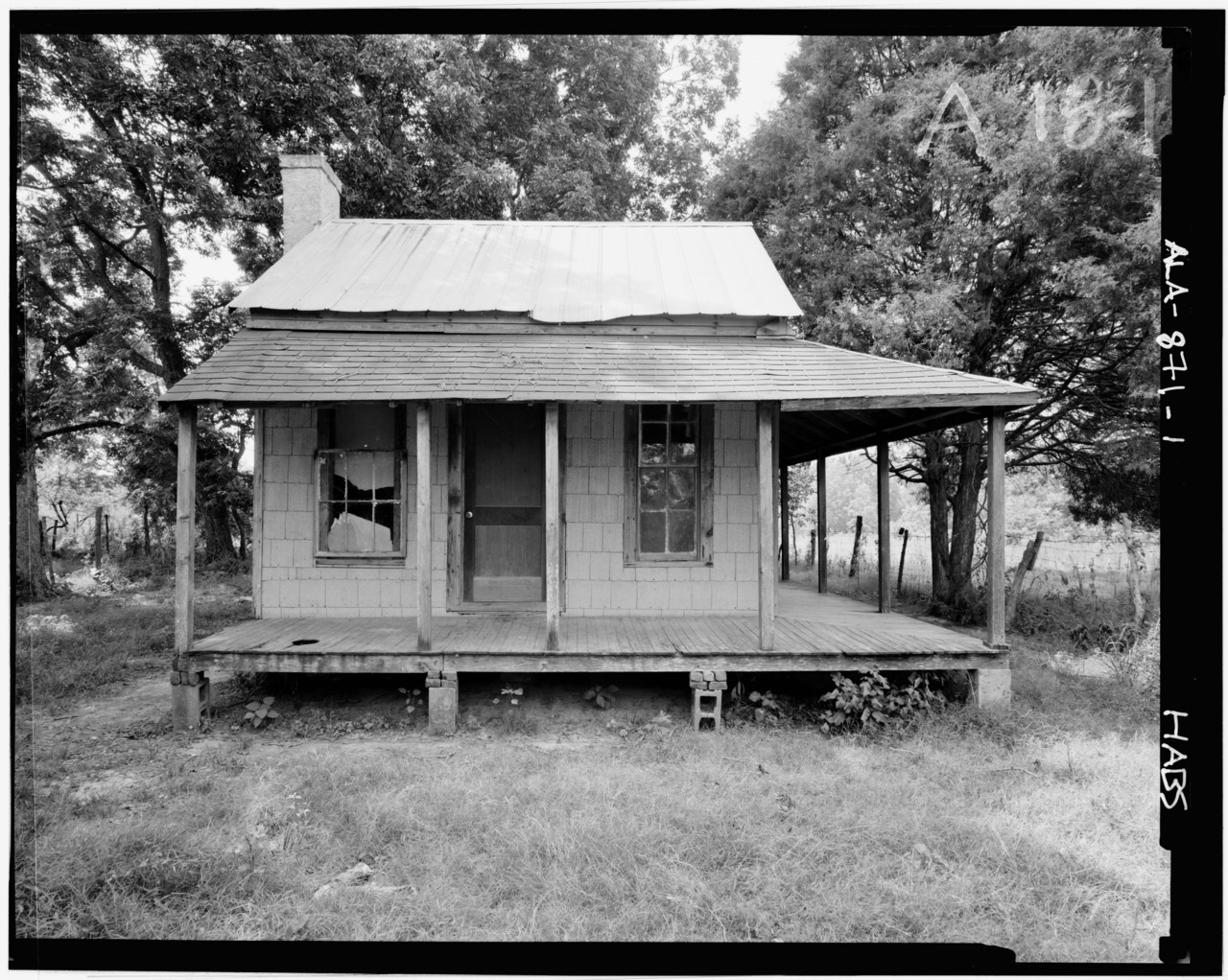

Characteristics
The community typically displays features of many small southern towns: residential areas, nearby farmland or forested land, and local institutions such as a church, cemetery, or general store that serve as focal points. Local roads connect residents to larger towns or county seats, and the pace of life tends to be quieter than in urban centers.
History and name
Like several American places named Memphis, the Alabama locality likely took its name from either the ancient Egyptian city of Memphis or from the better-known Memphis, Tennessee. The alternate name "Old Memphis" suggests a long local history or an earlier settlement center that predates nearby developments. Small communities in Alabama often originated in the 19th century as agricultural or trading points, though specific founding dates for this Memphis are not universally recorded.
Community life and economy
Economic activity in and around Memphis is generally typical of rural Alabama: agriculture, timber, and services that support local households. Community life often revolves around churches, volunteer organizations, and seasonal events. Residents may travel to larger towns for schools, medical care, and commercial needs, while maintaining local traditions and neighborhood ties.
Notable distinctions and context
Memphis, Alabama, should not be confused with larger cities sharing the same name. For clarification or official information, local or county records are the best sources. For general reference about the town and its place in Alabama, see regional guides and state resources such as local listings or state overviews at official portals. These can point to maps, historical summaries, and administrative details maintained by regional authorities.
Further research
- Consult county records or a local historical society for precise founding dates and records.
- Use regional maps to identify roads, nearby towns, and geographic context.
- Contact state or county offices for up-to-date administrative status and services.
Related articles
Author
AlegsaOnline.com Memphis (Old Memphis), Alabama Leandro Alegsa
URL: https://en.alegsaonline.com/art/63751
Sources
- www2.census.gov : "United States Census Bureau"
- census.gov : "Population and Housing Unit Estimates Tables"