
Mazurek Dąbrowskiego — Poland's national anthem
Mazurek Dąbrowskiego, commonly known as Poland Is Not Yet Lost, is the Polish national anthem, written in 1797 by Józef Wybicki and rooted in the mazurka folk tradition.
Mazurek Dąbrowskiego (literally "Dąbrowski's Mazurka") is the official national anthem of Poland. It is widely known in English as Poland Is Not Yet Lost. The words were written in 1797 by Józef Wybicki, and the song is based on the musical form of the mazurka, a Polish dance tune. As a symbol of national resilience, the piece has been associated with the Polish nation through wars, partitions and political change.
Image gallery
10 Images


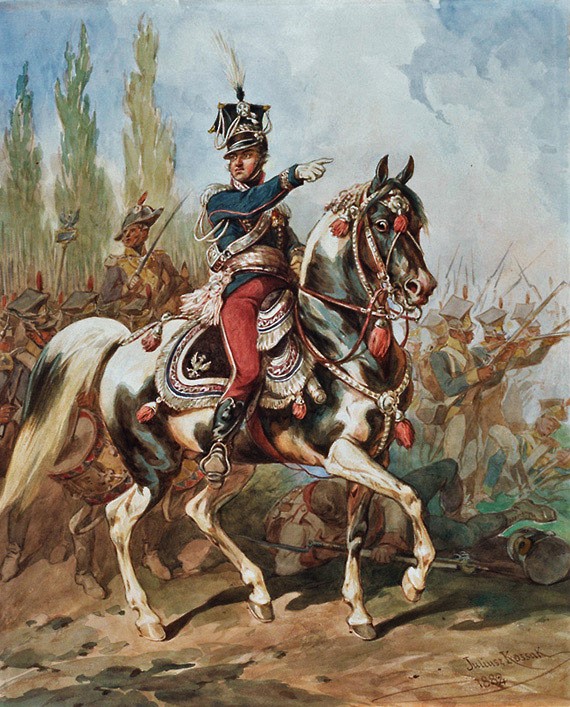
Text and tune
The lyrics are a patriotic march that affirmed the persistence of the Polish nation after the partitions of the late 18th century. The melody draws on folk and dance elements; its precise authorship is uncertain, and the tune circulated in several versions before becoming standardized. The poem praises General Jan Henryk Dąbrowski and was originally intended for the Polish Legions serving abroad.Musical characteristics
The anthem combines a mazurka's rhythmic vitality with a march-like structure. Typical performances use a brisk tempo, clear melodic lines and a strong rhythmic pulse, often in a major key to convey determination. Instrumentation varies from solo piano or voice to full military band and orchestra in official settings.History and official status
Composed in the aftermath of Poland's partition, the song became an informal patriotic hymn for Poles at home and abroad. It was progressively adopted in ceremonies and public life, and in the 20th century its status was formalized as the national anthem of Poland. The composition dates from 1797, and its role as a national symbol was particularly prominent during uprisings, the two world wars, and the era of communist rule.Uses and cultural significance
The anthem is performed at national holidays, state visits, sporting events and school ceremonies. It functions as a unifying emblem of identity and continuity. Different verses have been emphasized at various times, and official practice often prescribes a shortened rendition for public occasions.Notable facts
- The song is sometimes referred to simply as the "Mazurka" or by its opening words; it is recognized internationally as Poland's national anthem.
- Its author, Józef Wybicki, composed the lyrics for soldiers of the Polish Legions; the text and tune reflect both folk roots and military purpose.
- The anthem's long history and continuous use make it one of the older national anthems in Europe.
For further reading on its musical form and historical context, consult specialized histories of Polish music and national symbols, or music archives and collections that document patriotic songs from the Napoleonic era onward (mazurka, 1797, Poland Is Not Yet Lost, Poland, national anthem).
Related articles
Author
AlegsaOnline.com Mazurek Dąbrowskiego — Poland's national anthem Leandro Alegsa
URL: https://en.alegsaonline.com/art/63181