
Matriarchy: social systems centered on female kinship and authority
Matriarchy describes social arrangements where descent, inheritance or leadership emphasize female lines or senior women. The term overlaps with matriliny, matrifocality and remains debated in anthropology.
Matriarchy commonly refers to a social system in which women—often mothers or the eldest female members of a household—hold central roles in kinship, inheritance or domestic authority. Many writers use the word to describe societies where descent and family membership are traced through the female line. The term has multiple meanings and is deployed differently in scholarship, popular discussion and politics. For a basic definition see social organization, or compare entries that stress the role of the mother and of an oldest female as household head.
Image gallery
9 Images



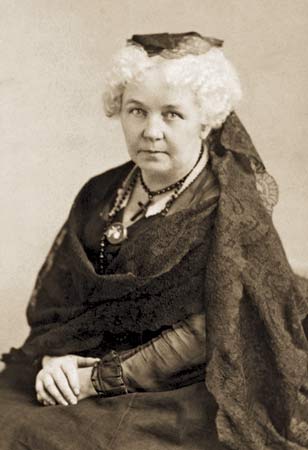
Characteristics
Features often associated with matriarchal or matrilineal arrangements include:
- Descent and inheritance traced through women (matriliny).
- Residence patterns that keep women and their children together after marriage (matrilocality or uxorilocality).
- Household authority vested in senior women or mothers.
- Prominent female roles in ritual, property control, or community decision-making.
History and scholarly debate
Anthropologists and historians debate how often true matriarchies—understood as women holding exclusive political control—have existed. Early hypotheses proposing prehistoric matriarchies are not widely accepted as proven. Contemporary studies instead document a range of arrangements: matrilineal kinship, matrifocal households, and societies with significant female authority in social and economic life.
Examples and distinctions
Some societies commonly discussed in this context are matrilineal groups where descent passes through mothers, and communities where elder women manage property and household affairs. It is important to distinguish matriarchy from related concepts: matriliny (lineage), matrilocal residence (where a married couple lives), and matrifocality (mother-centered households).
Significance
Examining matriarchal patterns helps scholars understand gendered power, family organization, and cultural diversity. The term continues to be used in feminist theory and comparative anthropology to explore alternatives to male-dominated institutions and to highlight how authority and kinship can be organized differently across societies.
Related articles
Author
AlegsaOnline.com Matriarchy: social systems centered on female kinship and authority Leandro Alegsa
URL: https://en.alegsaonline.com/art/62845