
Masolino da Panicale: early Renaissance painter and collaborator of Masaccio
Masolino da Panicale (Tommaso di Cristoforo Fini, c.1383–1447) was an Italian painter bridging Gothic and early Renaissance styles, best known for his Brancacci Chapel frescoes and Madonna compositions.
Masolino da Panicale is the commonly used name of Tommaso di Cristoforo Fini, an Italian painter born near Panicale around 1383 who died in Florence in 1447. Active in the first decades of the 15th century, he is recognized as a transitional figure between the late Gothic or International style and the early Renaissance. His career combined decorative grace with an increasing interest in naturalism and spatial illusions.
Image gallery
4 Images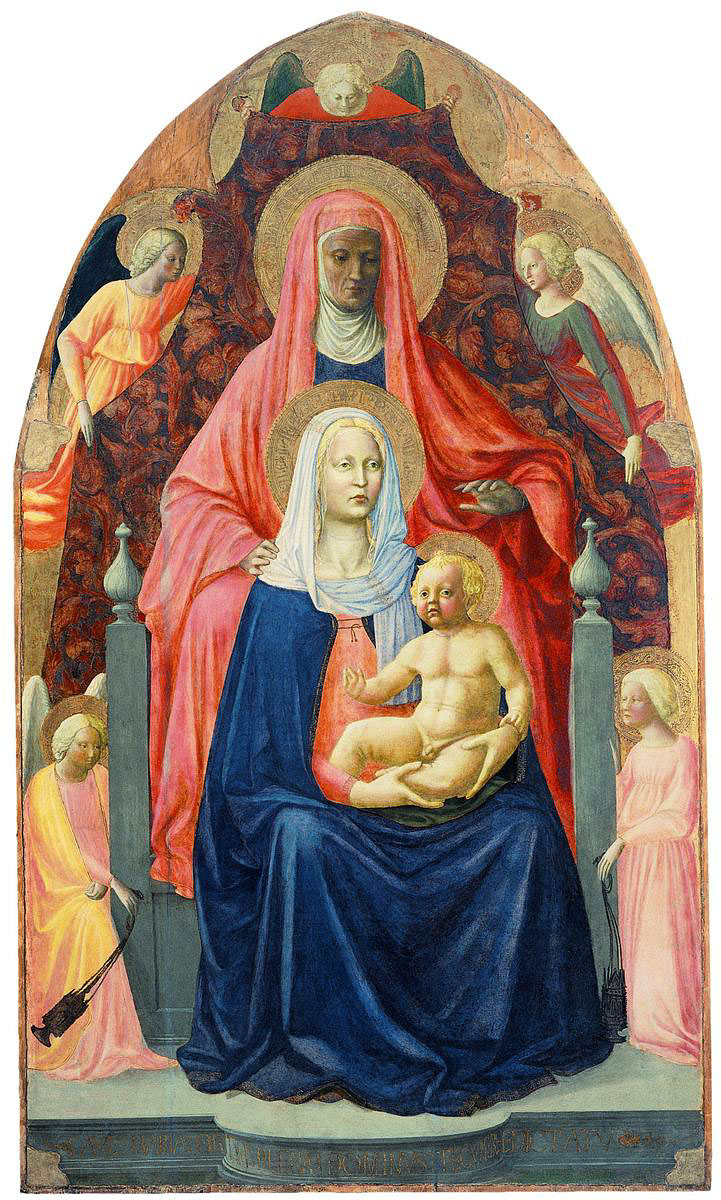


Artistic characteristics
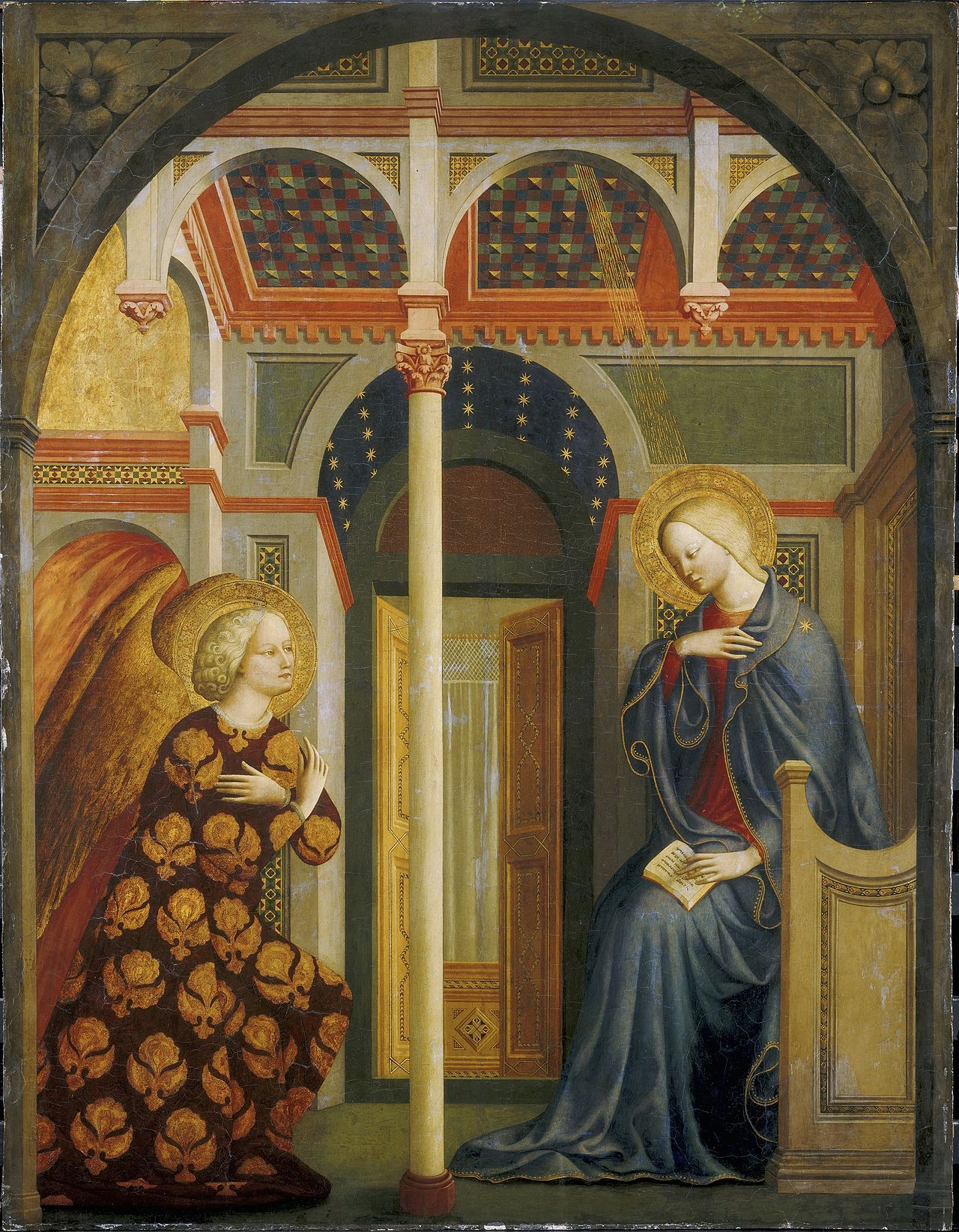
Masolino's paintings are noted for their elegant figures, refined line and delicate coloration. Compared with some contemporary innovators, his forms often retain a lyrical, courtly quality that recalls Gothic traditions. At the same time, he explored new solutions in modeling, perspective and the depiction of space, producing works that bridge older conventions and the emerging Renaissance vocabulary. He worked in both fresco and panel techniques.
Major works and collaborations
His most famous commission is the cycle of frescoes in the Brancacci Chapel in Santa Maria del Carmine, Florence, executed in collaboration with the younger artist better known as Masaccio. The project is a landmark in early 15th-century painting because it shows contrasting approaches: Masolino's graceful figures alongside Masaccio's stronger modeling and volumetric naturalism. Attribution within the chapel is complex, and art historians still debate which scenes belong to each hand. Other works traditionally associated with him include various Madonnas and altarpieces, among them a notable depiction commonly called Madonna and Child with St. Anne.
Context and influence
Masolino worked primarily in Florence but also received commissions elsewhere in Italy. He exemplifies the gradual shift from decorative, courtly pictorial language toward a more observed and spatially coherent art. While not as radically innovative as some of his contemporaries, his role in collaborative projects and his伝itional skill helped transmit new ideas to patrons and younger painters.
Notable facts and legacy
- Born Tommaso di Cristoforo Fini, he is almost always referred to by the nickname Masolino.
- His partnership with Masaccio in the Brancacci Chapel remains one of the period's most discussed artistic relationships.
- Many attributions to Masolino have been revised over time; distinguishing between his and his collaborators' hands is a continuing field of study.
For further reading on his life and works, consult specialist art-historical sources and museum catalogues that treat early Italian painting and Florentine commissions. General introductions and entries on Masolino and the Brancacci Chapel provide accessible overviews of his most important contexts.
Related articles
Author
AlegsaOnline.com Masolino da Panicale: early Renaissance painter and collaborator of Masaccio Leandro Alegsa
URL: https://en.alegsaonline.com/art/62644