
Martindale (Cumbria)
Martindale is a small, sparsely populated village and civil parish in the Eden district of Cumbria, England, set within the Lake District National Park and known for its remote valley and pastoral character.
Overview
Martindale is a tiny village and civil parish in the Eden district of Eden, in the county of Cumbria, England. It lies within the Lake District National Park and is distinguished by its remote valley, scattered farms, and a very small resident population (49 people recorded at the 2001 census).
Image gallery
2 Images
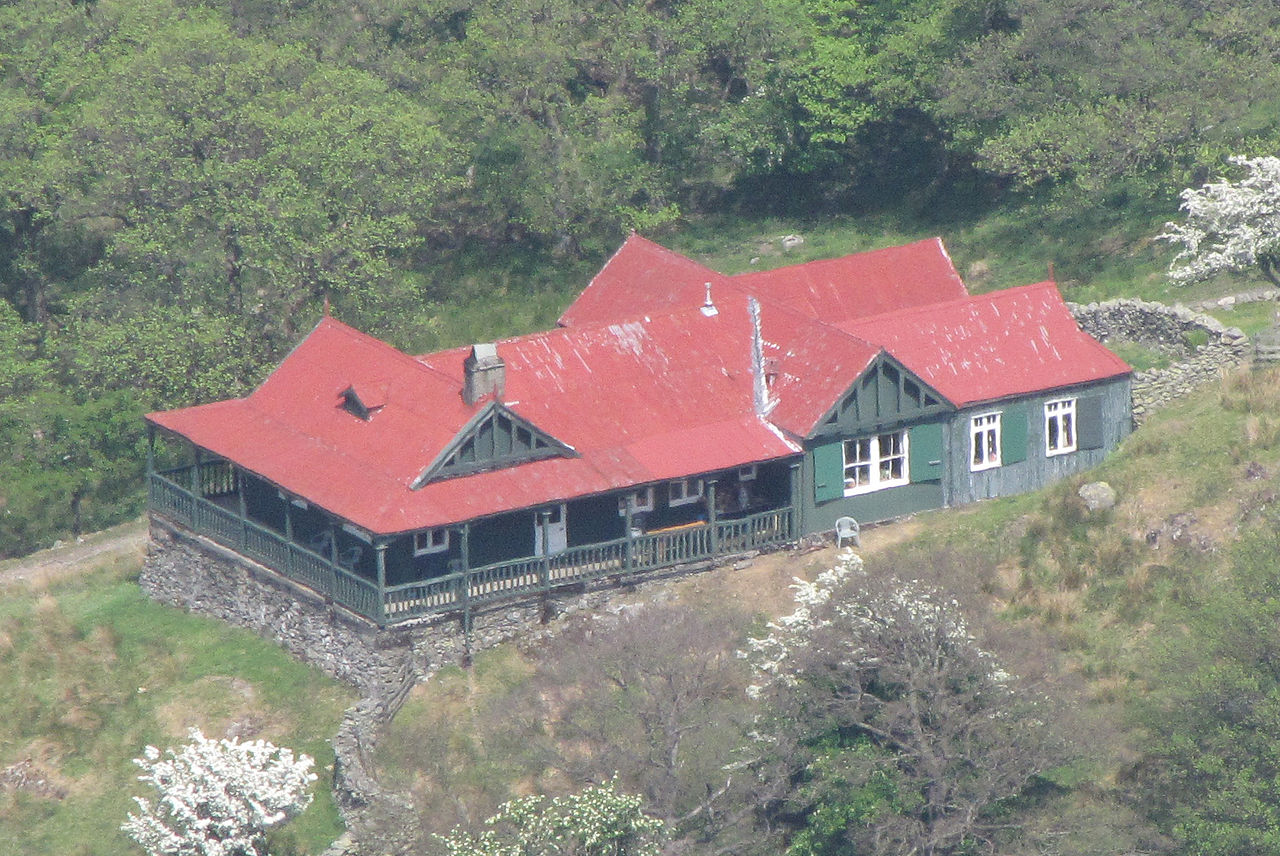
Geography and landscape
The area comprises a narrow valley with upland fells framing pasture and common grazing land. Stone walls, sheep pastures and narrow lanes are typical features. The landscape is valued for its scenic qualities and for recreational walking; footpaths and ridge routes give views across surrounding lakes and fells.
History and settlement
Settlement in Martindale has historically been agricultural. Farms and small hamlets grew around mixed sheep and cattle grazing on enclosed fields and shared commons. Traditional Lakeland building styles — stone farmhouses and dry stone walls — are common and reflect centuries of rural land use.
Uses and attractions
Martindale is primarily an agricultural area, but it also attracts visitors who come for quiet countryside walks, birdlife, and the sense of remoteness. The valley is used for hill grazing and seasonal farming activities. Small historic churches and rural buildings contribute to local interest, and nearby routes connect to popular Lake District trails.
Notable facts and distinctions
- Very low population density compared with nearby villages and towns.
- Part of the Lake District National Park, giving it conservation and landscape protection.
- Typical of upland Cumbria in its combination of common grazing, stone-built farms, and walking access.
Although small and quiet, Martindale exemplifies the remote rural valleys of northern England, valued for both farming traditions and unspoilt scenery.
Related articles
Author
AlegsaOnline.com Martindale (Cumbria) Leandro Alegsa
URL: https://en.alegsaonline.com/art/62396
Sources
- neighbourhood.statistics.gov.uk : ONS